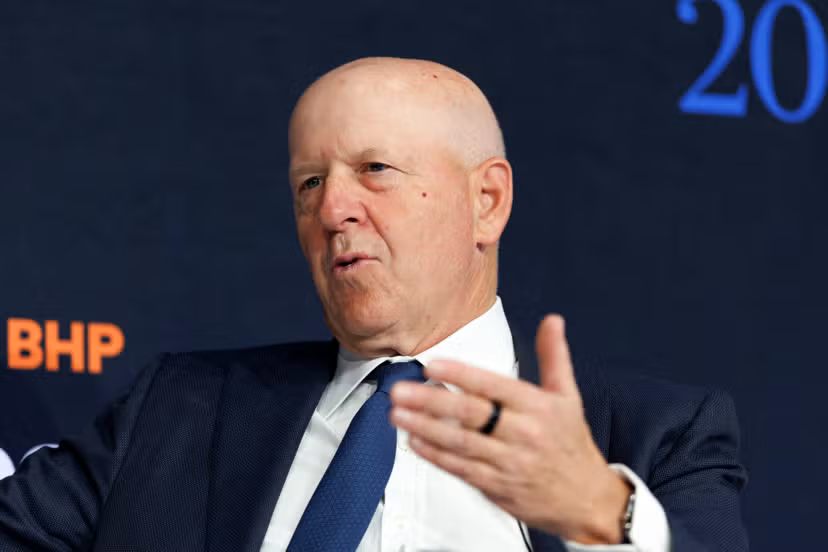
Goldman Sachs CEO Solomon Sees "Extraordinary" AI Productivity Boom Beneath Mixed Data
Goldman Sachs CEO David Solomon struck a constructive tone on the U.S. economy despite mixed signals: Q2 GDP grew 1.5% annualized, down from 2.1% in Q1, July payrolls fell by 23,000, and unemployment held near 4.1%. Private domestic demand, however, jumped to 4.2%.
Consumer data was similarly split — personal income rose 0.4% in July while real spending stayed roughly flat, the savings rate fell to 3%, retail sales dropped 0.6%, and the PCE inflation index ran 3.7% above last year.
"The consumer is still pretty resilient," Solomon said. "The economy is performing well." He pointed to an "enormous investment cycle" tied to AI and data centers, and called corporate earnings "extraordinary," citing:
- U.S. corporate profits up $400.9 billion in Q2, more than five times Q1's $74.4 billion increase
- Magnificent 7 earnings growth of 118.5% in Q2, per FactSet
- The other 493 S&P 500 companies posting 31.8% blended growth, their strongest pace since late 2021
Solomon said he sees limited systemic credit risk from AI borrowing since major spenders generate significant cash flow, pointing to Alphabet's $185.7 billion in trailing 12-month operating cash flow against $44.9 billion in Q2 capex.
On productivity, he forecast an eventual "extraordinary" boost from AI, though current data show mixed progress: U.S. nonfarm business productivity rose 2.2% year-over-year in Q2, but only 1.4% annualized for the quarter itself, below its 2.1% long-run pace. Generative AI use among employed adults reached 39.2% by Q2, up from 28.2% in Q3 2024, though Census data show only 17-20% of U.S. businesses used AI through early May 2026.