Decoding the Long-Term Yield Surge: Structural Debt Pressures vs. Systemic Crisis Risk
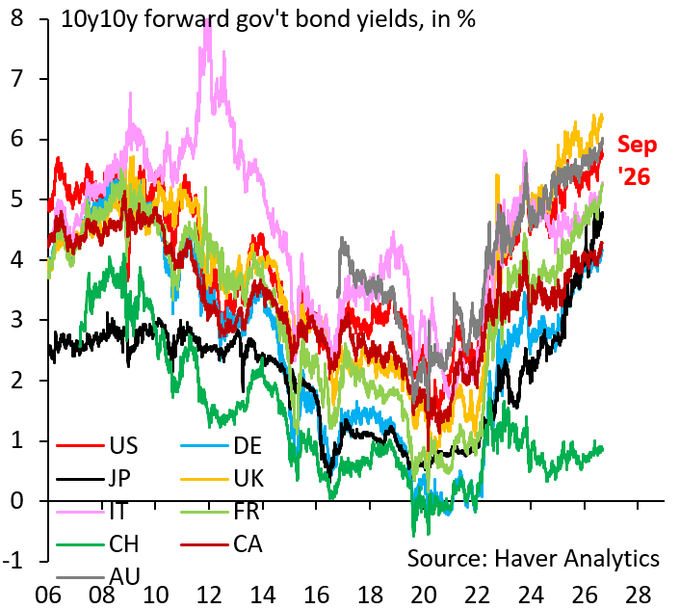
The persistent upward pressure on long-term government bond yields—unspooling steadily since 2022—is frequently framed as an impending financial apocalypse. However, a deeper look at the mechanics driving the bond market reveals a more nuanced reality defined by structural fiscal choices rather than runaway systemic collapse.
Key factors shaping the current long-term yield environment include:
* The Trend Is Not New: The multi-year bear market in fixed income kicked off in earnest back in 2022 as global central banks abandoned zero-interest-rate policies to combat surging post-pandemic inflation. What markets are experiencing now is a continuation and maturation of that structural regime shift, rather than a sudden, unpredictable shock.
* The Sovereign Backstop Floor: Fears of a runaway, terminal debt spiral often ignore the reality of modern fiscal architecture. Governments and central banks retain powerful tools—ranging from yield curve management levers to regulatory captive-buyer rules—to ensure sovereign debt markets do not implode. Policymakers simply will not allow a disorderly default cascade.
* The Swiss Control Group: The divergence of Swiss government yields (hovering significantly lower than their G7 peers) offers a vital diagnostic clue. Switzerland maintains strict fiscal conservatism and exceptionally low relative debt burdens. The fact that Swiss yields remain subdued while major economies face soaring borrowing costs proves that the global yield elevation is fundamentally about idiosyncratic debt accumulation and heavy sovereign supply—not an unavoidable global contagion or an unanchored inflation panic.
Ultimately, elevated yields represent the new cost of servicing massive accumulated public liabilities. While they create ongoing headwinds for asset valuations, they reflect managed fiscal strain rather than an uncontrolled descent into crisis.