market
1994 World Cup Transformed Football Business Model, Bloomberg Reports
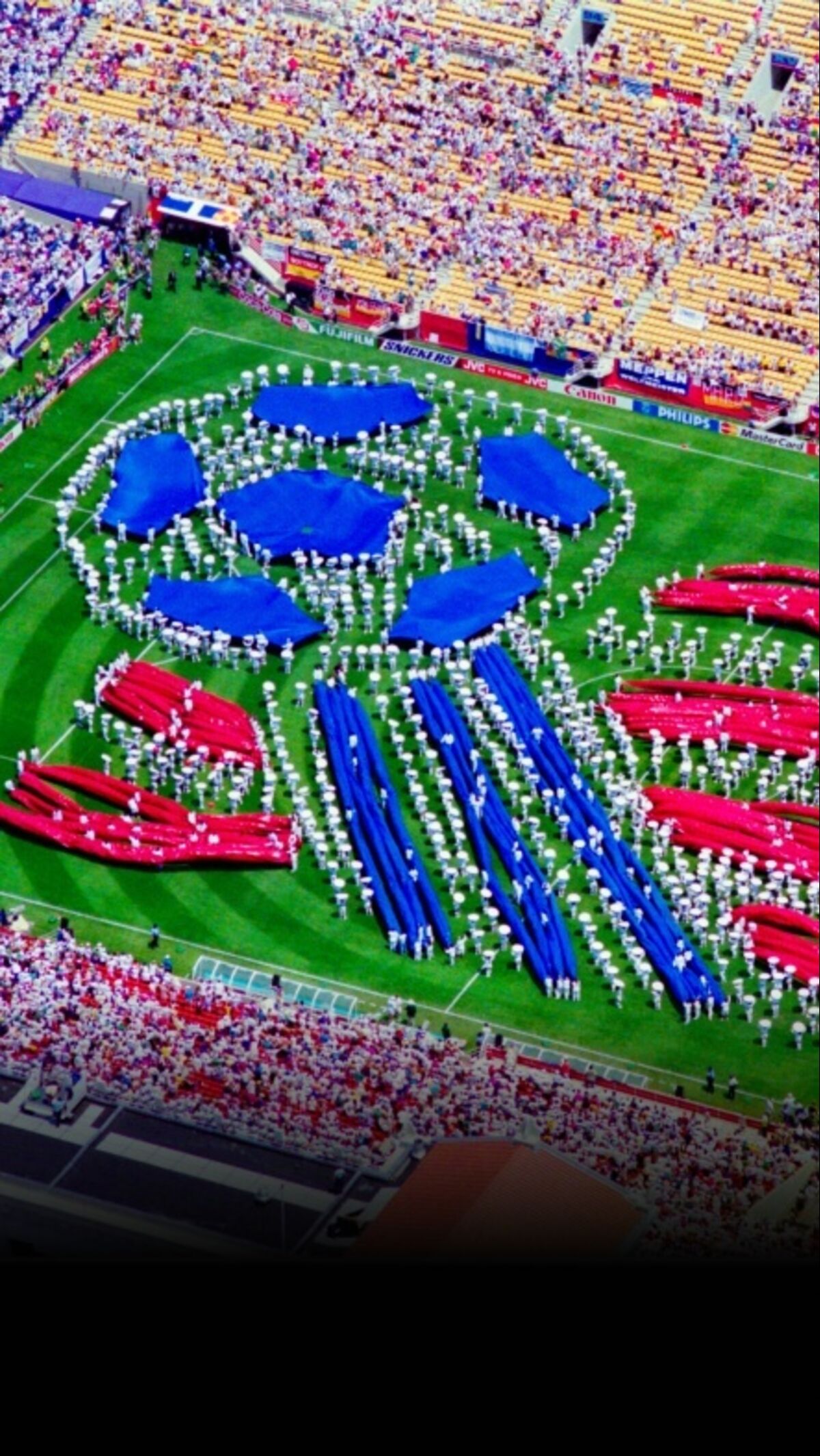
Bloomberg Markets examines how the 1994 World Cup in the US introduced corporate sponsorships that changed football's commercial model forever.
Bloomberg Markets examined how the 1994 World Cup in the United States introduced corporate sponsorships and advertising strategies that fundamentally changed the business model of football, transforming a popular but commercially limited event into a major revenue-generating platform. According to Bloomberg, the tournament marked a turning point when American corporations including McDonald's and General Motors brought new commercial approaches to the sport.
Key Takeaways
The 1994 World Cup in the US introduced corporate sponsorships from American companies that changed football's commercial model
Prior tournaments had limited commercial significance, with the 1990 Italy World Cup losing money for broadcasters
Bloomberg Markets featured author Joey D'Urso discussing how advertisements and sponsorships transformed the sport's business structure
The shift demonstrates how major sporting events can evolve from popular cultural moments into significant commercial platforms
Table of Contents
Limited Commercial Model Before 1994
American Corporate Sponsorship Approach
How the Business Model Changed
What the Shift Meant for Sports Business
Limited Commercial Model Before 1994
According to Bloomberg Markets, the World Cup had been an enormously popular event with surprisingly limited commercial significance before 1994. The source states that the 1990 tournament in Italy lost money for broadcasters, illustrating the financial challenges that existed despite the event's global popularity.
The tournament attracted massive audiences and cultural attention, but the business infrastructure to monetize that interest remained underdeveloped compared to the commercial models that would emerge later. The limited commercial returns before 1994 reflected a broader pattern in international football, where cultural significance and viewership did not automatically translate into profitable business operations.
American Corporate Sponsorship Approach
Bloomberg Markets reported that the 1994 World Cup in the United States introduced a new commercial approach through advertisements and sponsorships by American corporations. The source specifically identifies McDonald's and General Motors as companies that participated in this shift, bringing corporate marketing strategies to the tournament.
These American corporations applied commercial frameworks that differed from previous tournament sponsorship models, according to the Bloomberg report. The involvement of major American brands represented a change in how corporations engaged with international sporting events. McDonald's and General Motors brought established consumer marketing expertise and significant advertising budgets to the tournament, creating new revenue opportunities for organizers and broadcasters.
How the Business Model Changed
According to Bloomberg Markets, the 1994 World Cup changed the business of football forever by establishing new commercial frameworks that transformed how the sport generated revenue. Author Joey D'Urso, featured on the Bloomberg Odd Lots podcast, discussed how the tournament marked a permanent shift in football's commercial structure.
The source indicates that the changes introduced in 1994 had lasting effects on how football tournaments approached sponsorships, advertising, and commercial partnerships. The transformation involved moving from a model where tournaments struggled to generate profits despite large audiences to one where commercial partnerships became central to the event's financial structure.
For readers following broader market updates , this development illustrates how major sporting events evolved into significant commercial platforms during the 1990s.
What the Shift Meant for Sports Business
The 1994 World Cup's commercial transformation offers a case study in how sporting events can evolve from culturally significant but financially limited occasions into major business platforms. The shift from the money-losing 1990 tournament to the commercially successful 1994 event demonstrates how corporate sponsorship models can change the financial dynamics of international sports.
This pattern has relevance beyond football, as other major sporting events have similarly developed commercial frameworks that integrate corporate partnerships and advertising revenue. For investors and market readers, the evolution of sports business models matters because it reflects broader trends in media rights, advertising markets, and consumer brand engagement.
The transformation that began with the 1994 World Cup influenced how corporations allocate marketing budgets, how broadcasters value sports content, and how international sporting organizations structure their commercial operations.
Read original source