tech
Abby Joseph Cohen Discusses Alan Greenspan's Fed Legacy
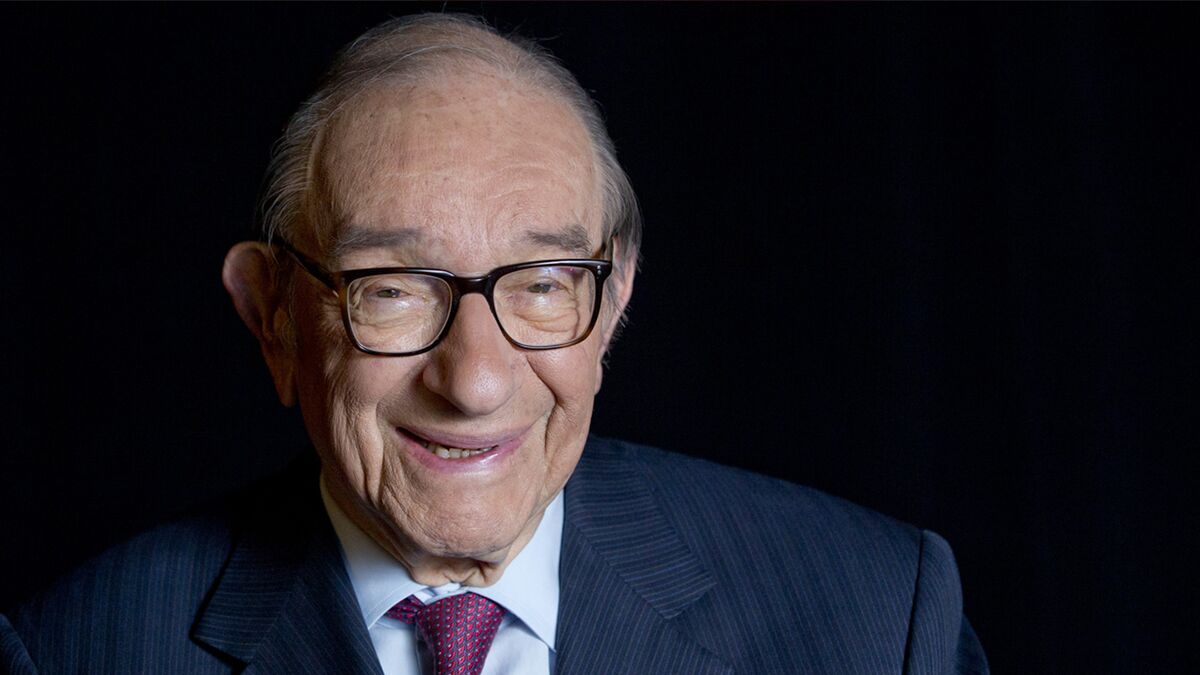
Abby Joseph Cohen discussed Alan Greenspan's legacy as former Federal Reserve Chair following his death at age 100, according to Bloomberg Markets.
Abby Joseph Cohen, professor at Columbia Business School, discussed the legacy of former Federal Reserve Chair Alan Greenspan following his death at age 100, according to Bloomberg Markets. Cohen joined Lisa Mateo and Tom Keene on Bloomberg Money to reflect on Greenspan's influence on monetary policy and financial markets during his tenure at the central bank.
Key takeaways
Abby Joseph Cohen discussed Alan Greenspan's legacy on Bloomberg Money following his death at age 100
Greenspan served as Federal Reserve Chair during a period of significant economic and market transformation
For market readers, central bank leadership transitions and policy legacies can influence investor expectations and economic analysis
The available source context does not specify the detailed topics Cohen addressed or specific policy assessments
Table of Contents
What happened
Why central bank leadership matters
What to watch next
What happened
Bloomberg Markets reported that Abby Joseph Cohen, professor at Columbia Business School, appeared on Bloomberg Money to discuss the legacy of Alan Greenspan. Greenspan, who served as Federal Reserve Chair, died this week at the age of 100. Cohen joined hosts Lisa Mateo and Tom Keene for the discussion, which focused on Greenspan's influence during his time leading the central bank.
The source context does not provide details about the specific policy achievements, controversies, or economic periods Cohen addressed during the interview. The discussion took place following Greenspan's death, marking the end of a career that spanned multiple decades of monetary policy leadership. The available source context does not identify the length of Greenspan's tenure, the specific years he served, or the economic events that occurred during his chairmanship.
Why central bank leadership matters
For investors and market readers, Federal Reserve leadership can matter because central bank policy decisions influence interest rates, inflation expectations, credit conditions, and asset valuations across equity, bond, and currency markets. The legacy of a Fed Chair often reflects the economic challenges, policy frameworks, and market conditions that defined their tenure.
Market participants frequently analyze central bank leadership to understand how policy approaches evolve and how those shifts may affect future economic and financial outcomes. Greenspan's tenure at the Federal Reserve is widely studied by economists, investors, and policy analysts. His approach to monetary policy, communication style, and handling of economic cycles have been the subject of extensive academic and professional analysis. For readers following broader market updates , discussions of central bank leadership can help frame how policy legacies influence current investor expectations, regulatory debates, and macroeconomic analysis.
What to watch next
Market readers may watch for additional commentary from economists, policy analysts, and financial professionals reflecting on Greenspan's legacy and its relevance to current monetary policy debates. Future discussions may address how Greenspan's policy frameworks compare to those of subsequent Federal Reserve Chairs, particularly in the context of inflation management, financial stability, and crisis response. The available source context does not identify whether Cohen addressed specific policy lessons or future implications during the Bloomberg Money interview.
Investors and analysts often revisit central bank leadership transitions to assess how policy approaches have evolved over time. Readers interested in monetary policy history, Federal Reserve decision-making, and macroeconomic analysis may find value in tracking expert commentary on Greenspan's tenure and its influence on modern central banking. The source context does not specify whether Bloomberg Markets will release additional coverage or whether Cohen will provide further analysis in future interviews or publications.
Read original source