market
Adani Airport Holdings to Invest $2.1 Billion in Airport Cities
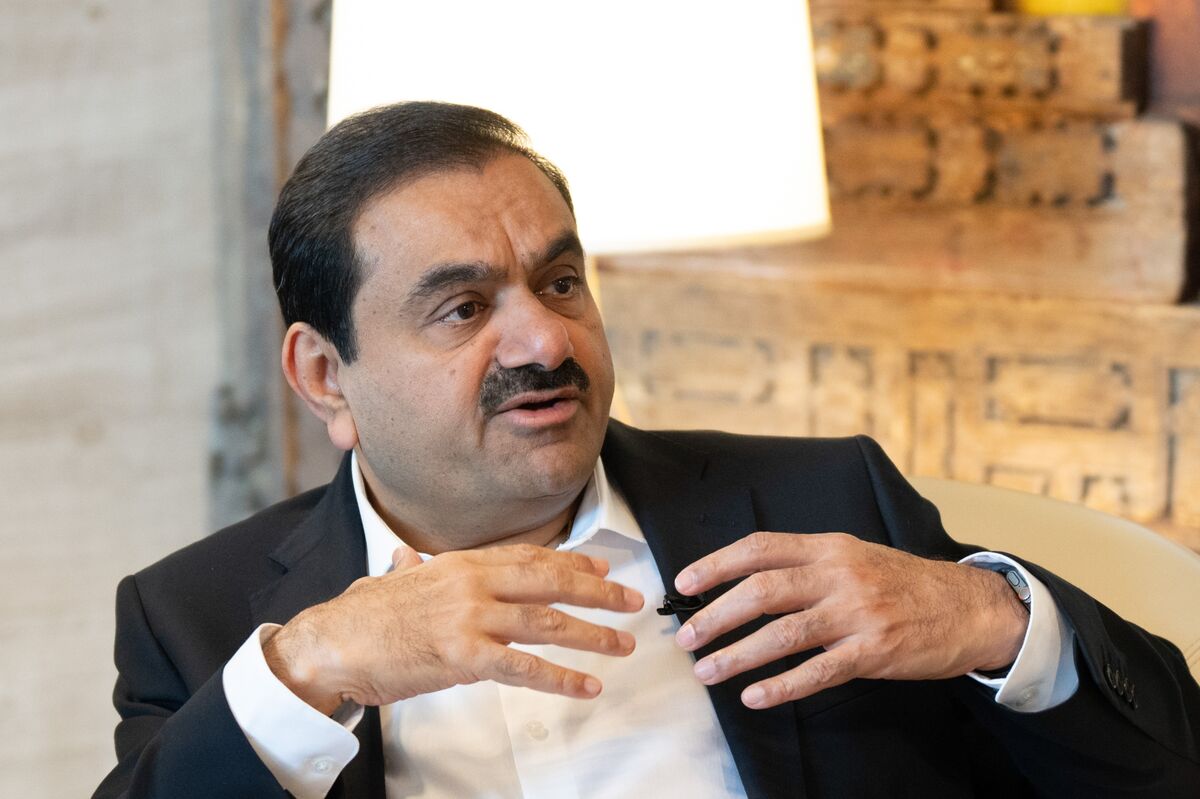
Adani Airport Holdings will invest $2.1 billion to build integrated cities across its airport network as the conglomerate expands into non-aviation businesses.
Adani Airport Holdings, the airport unit of billionaire Gautam Adani's conglomerate, will invest 200 billion rupees ($2.1 billion) to build integrated cities across its airport network, according to Bloomberg Markets. The Adani airport investment marks a significant expansion into non-aviation businesses for the ports-to-power conglomerate. The source does not specify which airports will receive the investment, the timeline for development, or the types of facilities planned.
Key Takeaways
Adani Airport Holdings will invest $2.1 billion to build integrated airport cities across its network, according to Bloomberg Markets.
The investment represents an expansion into non-aviation businesses for the Adani conglomerate.
For investors, airport-adjacent real estate development can diversify revenue streams and leverage existing infrastructure assets.
The source does not specify project timelines, affected airports, or detailed development plans.
Table of Contents
Investment Details
Market Context
What to Watch
Investment Details
Adani Airport Holdings announced plans to invest 200 billion rupees, equivalent to approximately $2.1 billion, to develop integrated cities across its airport network, Bloomberg Markets reported. The investment will focus on building airport-adjacent developments as the conglomerate expands beyond its core aviation operations. Gautam Adani's business empire spans ports, power generation, energy infrastructure, and airport operations.
The source does not identify which specific airports within the Adani network will receive the investment, the phased timeline for construction, the mix of commercial and residential facilities planned, or the expected revenue contribution from the non-aviation business segment. The announcement signals a strategic shift toward real estate and integrated development projects that leverage the conglomerate's existing airport infrastructure.
Market Context
For investors and market readers, airport city developments represent a growing trend in infrastructure investment, where operators seek to monetize land holdings and passenger flows through retail, hospitality, logistics, and commercial real estate. Integrated airport cities can generate non-aeronautical revenue streams that reduce dependence on airline fees, landing charges, and passenger service fees. These projects often involve long development cycles, significant capital outlays, and execution risk tied to real estate demand.
For readers following broader market updates , this development can help frame how diversified conglomerates balance capital allocation across infrastructure, energy, and real estate segments. The Adani Group's expansion into airport-adjacent real estate follows a pattern seen in other global airport operators, where non-aviation revenue has become a key driver of profitability. However, the source does not specify projected returns, occupancy assumptions, tenant mix, or the impact on the conglomerate's overall capital structure.
What to Watch
Market readers should monitor future disclosures from Adani Airport Holdings regarding project timelines, specific airport locations, development phases, and the mix of commercial, residential, logistics, and retail facilities planned. Investors may also watch for updates on financing arrangements, including whether the $2.1 billion investment will be funded through internal cash flow, debt issuance, equity raises, or joint ventures with real estate developers.
Regulatory approvals, land acquisition details, and construction milestones will be important indicators of project execution risk. Broader market watchers may track how the investment affects the Adani Group's consolidated balance sheet, debt levels, and credit ratings, particularly given the conglomerate's diversified exposure across capital-intensive sectors. Future earnings calls, investor presentations, and regulatory filings may provide additional clarity on revenue projections and the strategic rationale for prioritizing airport city development.
Read original source