tech
AI Rout Exposes Wall Street's $270 Billion Speculation Machine
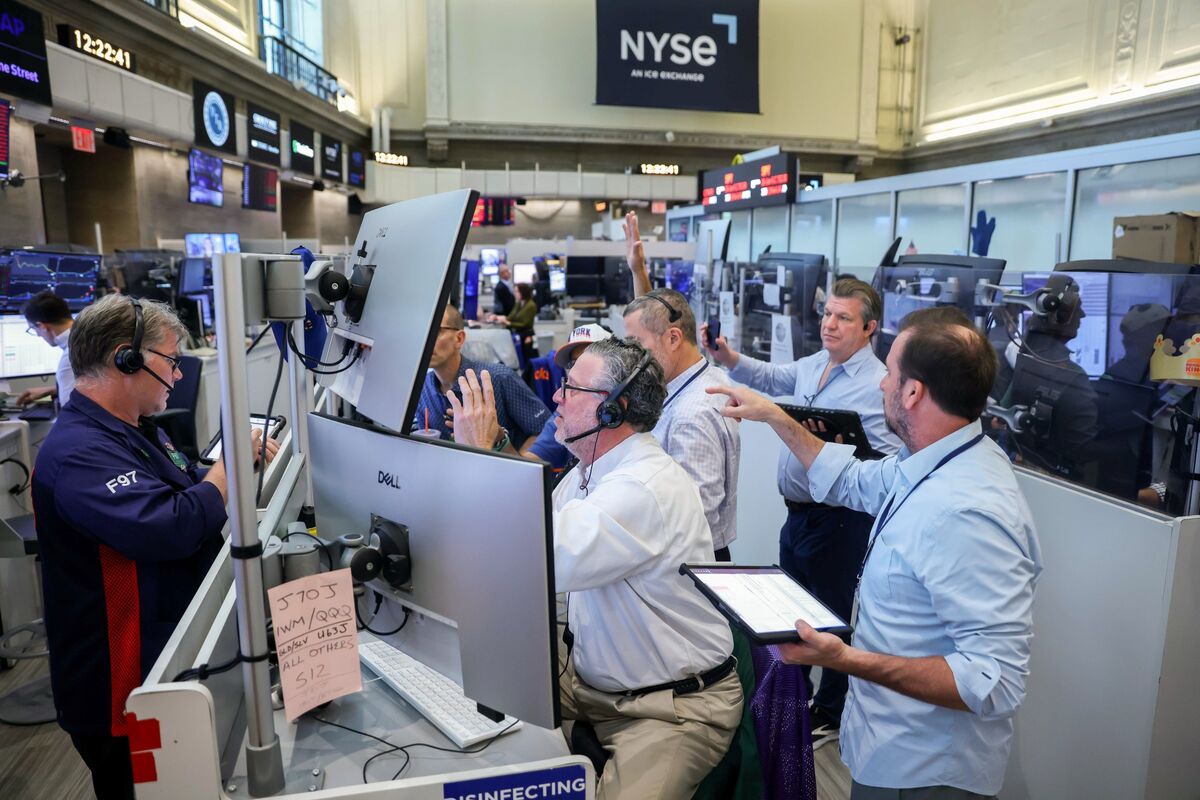
Bloomberg Markets reports this week's tech rout exposed the machinery of modern speculation and how quickly AI-linked trades can reverse, with $270 billion in scale.
Bloomberg Markets reported that this week's technology sector rout did more than puncture one of the year's hottest trades: it exposed the machinery of modern speculation and how quickly the AI speculation machine can work in reverse. The source context identifies a $270 billion scale associated with the speculation machinery, though the available details do not specify whether this figure represents total positions, notional exposure, or another measure.
Key Takeaways
Bloomberg Markets reported that this week's tech rout exposed the machinery of modern speculation and its reversal dynamics.
The source context identifies a $270 billion scale associated with the speculation machinery, though the exact measure is not specified.
For investors, rapid reversals in crowded trades can matter because they may influence volatility, liquidity, and risk management across portfolios.
Market readers may watch for future disclosures on positioning data, volatility metrics, and any additional details on the scale and structure of AI-linked trades.
Table of Contents
Market Move
Why Speculation Machinery Matters
What to Watch Next
Market Move
Bloomberg Markets reported that this week's technology sector rout punctured one of the year's hottest trades and exposed the underlying machinery of modern speculation. The source context states that the rout revealed how quickly speculation can work in reverse, though the available details do not identify specific assets, indices, or price levels involved in the move. The $270 billion figure associated with the speculation machinery suggests a substantial scale, but the source context does not specify whether this represents total positions, notional exposure, derivatives contracts, or another measure.
The source context does not provide details on which technology stocks, sectors, or AI-linked assets experienced the sharpest declines, nor does it identify the duration of the rout or the specific trading days involved. For readers following broader market updates , this development can help frame the wider news context of how crowded trades and speculation dynamics may influence volatility and risk management across portfolios.
Why Speculation Machinery Matters
For investors, the machinery of modern speculation can matter because it may influence how quickly trades reverse, how volatility spreads across assets, and how liquidity conditions change during periods of market stress. Crowded trades, particularly those linked to high-growth themes such as artificial intelligence, can amplify both upward momentum and downward pressure when positioning shifts. The source context suggests that this week's rout exposed these dynamics, though the available details do not identify which specific mechanisms, instruments, or market participants drove the reversal.
In general market context, speculation machinery can include derivatives positioning, leveraged strategies, algorithmic trading, and concentrated institutional flows. When a popular trade reverses, these mechanisms can work in the opposite direction, potentially accelerating declines and increasing volatility. The available source context does not specify which of these factors were most significant in this week's rout, nor does it identify the impact on individual stocks, sectors, or broader indices. Readers should treat the event as a confirmed headline with limited operational detail until further disclosures become available.
What to Watch Next
Market readers may watch for future disclosures on positioning data, volatility metrics, and any additional details on the scale and structure of AI-linked trades. The source context does not specify whether the $270 billion figure represents a single-day move, a cumulative measure, or a broader estimate of speculation-related exposure. Future updates may clarify which assets, sectors, or instruments were most affected, and whether the reversal reflects a temporary correction or a more sustained shift in market sentiment.
Investors may also monitor how technology sector volatility influences broader market conditions, including equity indices, interest rate expectations, and risk appetite across asset classes. The available source context does not identify specific stocks, exchange-traded funds, or derivatives contracts that readers should track, nor does it provide forward-looking guidance on whether the rout is expected to continue or stabilize. Readers should watch for future company disclosures, market data updates, and any additional source-confirmed details that may help clarify the scope and implications of this week's move.
Read original source