market
Airfares Stay High Despite Falling Jet Fuel Prices
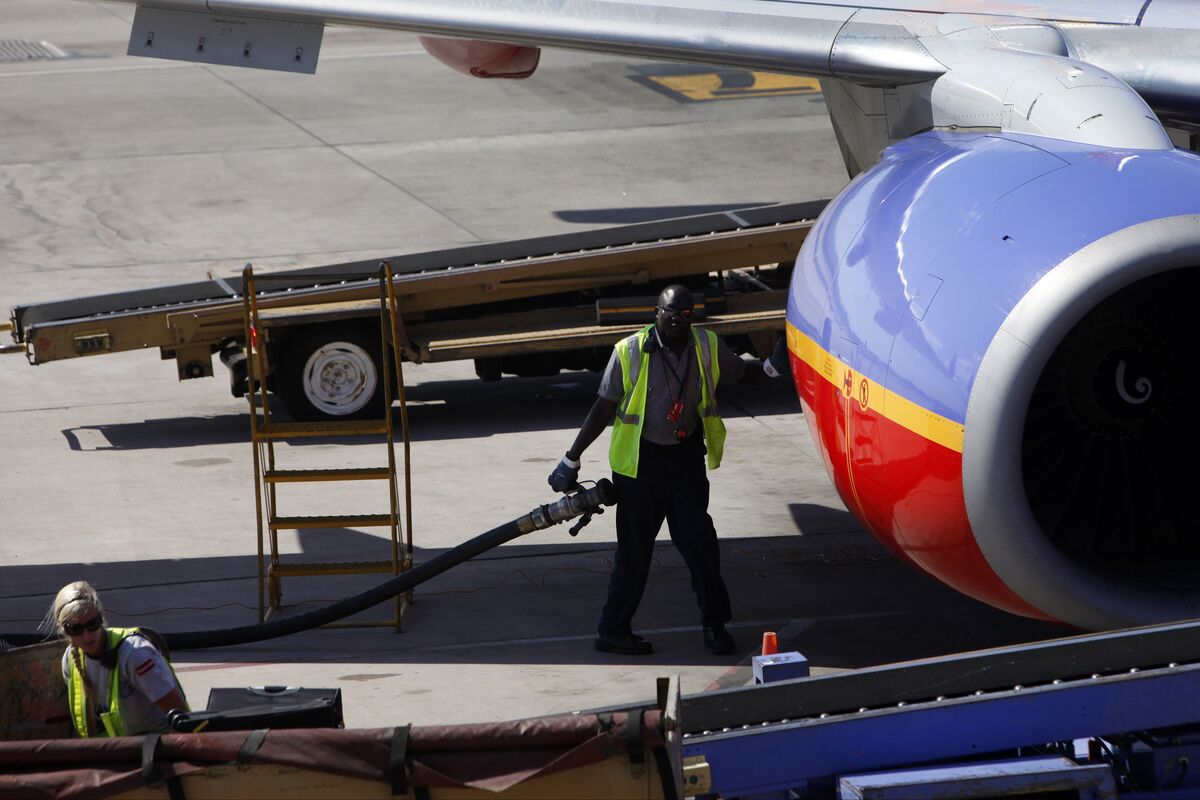
Airfares remain elevated for US passengers even as jet fuel prices fall globally, according to Bloomberg Markets, raising questions about airline pricing.
Airfares remain elevated for US passengers even as a historic jet fuel crisis fades and fuel prices fall globally, according to Bloomberg Markets. The disconnect between declining fuel costs and persistent ticket prices raises questions about airline pricing strategies and cost pass-through timing for travelers.
Key takeaways
Bloomberg Markets reported that a historic jet fuel crisis is now fading as prices fall globally.
US airfares remain elevated despite the decline in jet fuel prices.
The source context does not specify the magnitude of fuel price declines, airline responses, or timing for potential fare adjustments.
Travelers and investors may watch for future airline disclosures, fare trends, and industry commentary on pricing decisions.
Table of Contents
What happened
Why it matters
What to watch next
What happened
Bloomberg Markets reported that a historic jet fuel crisis is now fading as jet fuel prices fall globally. Despite this decline in fuel costs, US passengers have yet to see the benefit, with airfares remaining elevated. The source context does not specify the magnitude of the fuel price decline, the timeline over which prices have fallen, or which airlines or routes are most affected by the pricing disconnect.
The source context also does not identify whether airlines have issued public statements about fare adjustments, whether the elevated fares reflect other cost pressures beyond fuel, or whether competitive dynamics in the US airline industry are influencing pricing decisions. The available information confirms the headline observation but does not provide operational or financial detail about airline responses.
Why it matters
For travelers, the persistence of elevated airfares despite falling fuel costs can influence trip planning, budget decisions, and expectations about future fare trends. Jet fuel is typically one of the largest variable costs for airlines, and fuel price declines have historically created opportunities for fare reductions or margin expansion. The lag between fuel cost relief and fare adjustments can reflect airline pricing strategies, demand conditions, competitive positioning, or other cost pressures such as labor, maintenance, or airport fees.
For investors and market readers, airline pricing decisions can matter because they influence revenue per passenger, load factors, profitability, and competitive dynamics. Airlines may choose to retain fuel cost savings to improve margins, invest in fleet upgrades, or strengthen balance sheets, rather than passing savings immediately to passengers. For readers following broader market updates , this development can help frame the wider news context around airline industry cost structures and consumer pricing trends.
What to watch next
Market readers and travelers may watch for future airline earnings disclosures, quarterly commentary on pricing strategies, and industry reports on fare trends and fuel cost pass-through. Airlines typically provide updates on unit revenue, cost per available seat mile, and fuel expense during earnings calls, which can clarify whether fare adjustments are planned or whether cost savings are being retained. The source context does not specify whether any airlines have announced fare reviews or pricing changes.
Readers may also monitor jet fuel price trends, demand patterns for domestic and international travel, and competitive responses from low-cost carriers or legacy airlines. The available source context does not identify which airlines are most affected, whether regional or international routes show different pricing behavior, or whether seasonal demand factors are influencing fare decisions. Further industry disclosures and fare data would be needed to assess the timing and magnitude of any potential fare adjustments.
Read original source