general
Amazon Advances Prime Day by One Month Amid AI Shift
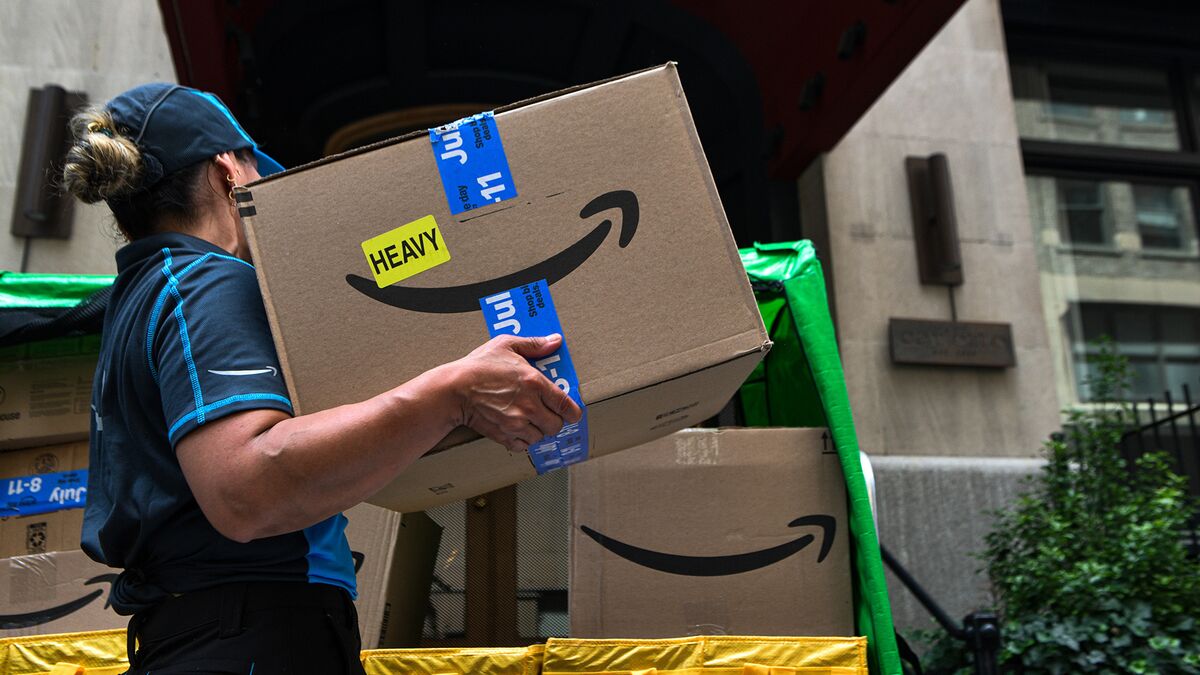
Amazon moves Prime Day forward by one month as AI reshapes shopping behavior and consumer spending tightens. Bloomberg Intelligence analyst weighs in.
Amazon has announced a significant scheduling change to its flagship Prime Day sales event, moving the annual shopping extravaganza forward by one month. The strategic shift comes as the e-commerce giant navigates a challenging retail environment marked by tightening consumer discretionary spending and the growing influence of artificial intelligence on shopping patterns. Bloomberg Intelligence Senior E-commerce and Retail Analyst Poonam Goyal discussed the implications of this timing change in a recent Bloomberg This Weekend segment with hosts David Gura and Christina Ruffini.
Table of Contents
- Strategic Timing Shift for Prime Day
- Consumer Spending Pressures Drive Decision
- AI's Growing Influence on Shopping Behavior
- Implications for Amazon's Competitive Position
Strategic Timing Shift for Prime Day
The decision to advance Prime Day by a full month represents a notable departure from Amazon's established calendar. Prime Day has historically served as a mid-year sales anchor for the company, driving membership engagement and revenue during what is typically a slower retail period. By moving the event earlier, Amazon appears to be repositioning its strategy to capture consumer dollars before they are allocated elsewhere or before spending fatigue sets in later in the year.
According to Bloomberg Intelligence's Poonam Goyal, who provided expert analysis in the video segment, the timing adjustment underscores the strategic importance of the event to Amazon's overall business model. Prime Day has evolved beyond a simple promotional period into a critical driver of Prime membership value and a showcase for Amazon's retail ecosystem. The earlier scheduling may allow the company to set the tone for summer shopping patterns and establish momentum ahead of competitors' promotional events.
Consumer Spending Pressures Drive Decision
The scheduling change occurs against a backdrop of tightening discretionary spending among consumers. Economic pressures have made shoppers more selective about when and where they deploy their purchasing power, forcing retailers to compete more aggressively for a smaller pool of available dollars. By advancing Prime Day, Amazon may be attempting to capture spending commitments before consumers exhaust their discretionary budgets or become overwhelmed by competing promotional offers.
This strategic repositioning reflects Amazon's awareness that the retail landscape has become increasingly competitive for consumer attention and wallet share. The earlier timing could provide Amazon with a first-mover advantage in the summer shopping season, potentially allowing the company to lock in sales before consumers are exposed to alternative promotional events from competing retailers. For a company of Amazon's scale, even marginal improvements in timing can translate into significant revenue impacts.
AI's Growing Influence on Shopping Behavior
A key factor highlighted in the Bloomberg Intelligence analysis is the increasing role of artificial intelligence in shaping consumer shopping behavior. AI-powered recommendation engines, personalized marketing, and automated shopping assistants are fundamentally changing how consumers discover products and make purchasing decisions. Amazon has been at the forefront of deploying AI technologies across its platform, from product recommendations to inventory management and pricing optimization.
The shift in Prime Day timing may reflect Amazon's confidence in its AI capabilities to drive conversion and engagement during a different seasonal window. Advanced algorithms can now predict optimal timing for promotions, identify which products will resonate with specific customer segments, and dynamically adjust pricing and inventory allocation. By leveraging these AI-driven insights, Amazon may have determined that an earlier Prime Day will yield better results in the current market environment.
Furthermore, as AI tools become more sophisticated in helping consumers find deals and compare prices across platforms, Amazon may be using the earlier timing to establish price anchors and promotional narratives before competitors can respond. The company's substantial investment in AI infrastructure and capabilities positions it to experiment with traditional retail calendars in ways that smaller competitors cannot easily replicate.
Implications for Amazon's Competitive Position
The Prime Day timing adjustment carries broader implications for Amazon's competitive positioning in the e-commerce sector. As the dominant player in online retail, Amazon's strategic decisions often force competitors to react and adjust their own promotional calendars. An earlier Prime Day could disrupt the traditional summer retail rhythm, potentially drawing spending forward and leaving less available for competing events later in the season.
For investors and market observers, this move signals Amazon's willingness to adapt its playbook in response to changing market conditions. Rather than adhering to established patterns, the company is demonstrating flexibility in pursuit of optimal results. This adaptability may be particularly important as the retail sector continues to evolve rapidly under the influence of technology, changing consumer preferences, and economic uncertainty.
The success or failure of this timing experiment will likely be closely watched by both Wall Street analysts and competing retailers. If the earlier Prime Day delivers strong results, it could establish a new template for how major e-commerce events are scheduled. Conversely, if the results disappoint, Amazon may need to reconsider its approach for future years. Either outcome will provide valuable data points for understanding how consumer behavior and optimal retail timing are shifting in an AI-influenced marketplace.
Conclusion
Amazon's decision to advance Prime Day by one month represents a calculated strategic bet in a challenging retail environment. With consumer discretionary spending under pressure and artificial intelligence reshaping shopping behavior, the e-commerce leader is adjusting its approach to maximize engagement and capture available spending. The move highlights both the strategic importance of Prime Day to Amazon's business model and the company's willingness to experiment with established practices when market conditions warrant. As Bloomberg Intelligence analyst Poonam Goyal noted in her analysis, this timing shift reflects broader trends in retail that all market participants will need to navigate in the months ahead.
Read original source