market
Anthropic Accuses Alibaba of Illicit AI Model Access
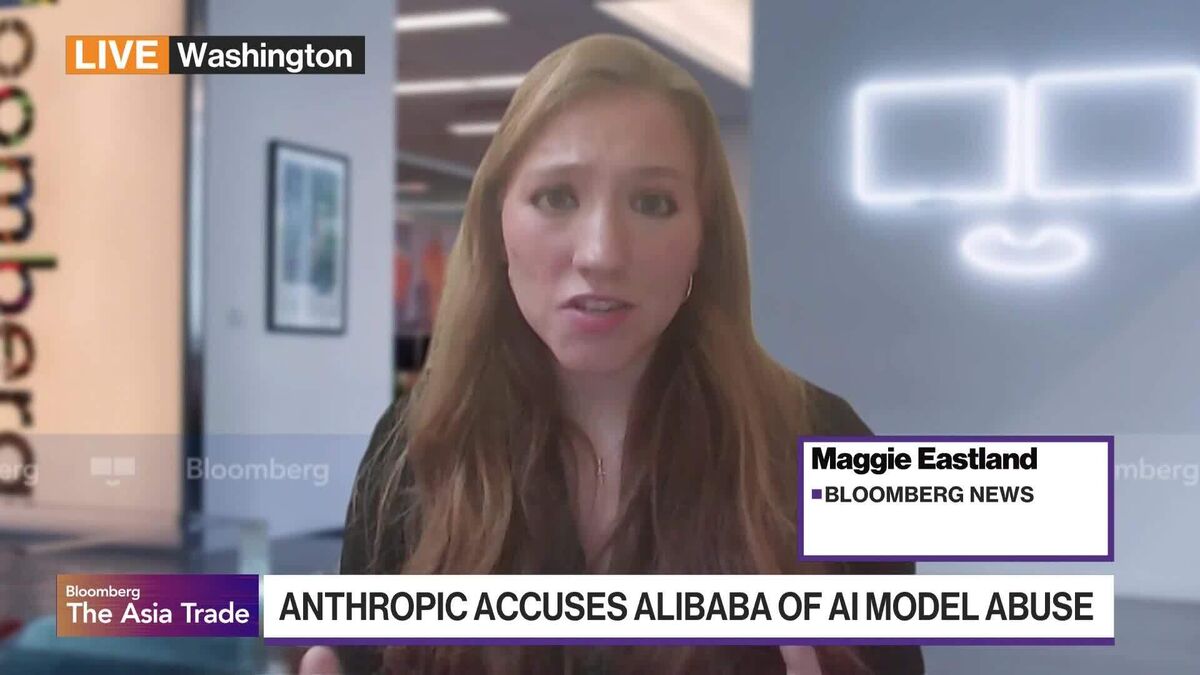
Anthropic PBC accused Alibaba of using thousands of fraudulent accounts to illicitly access its Claude AI model, according to Bloomberg Markets reporting.
Anthropic PBC has accused Alibaba Group Holding Ltd. of conducting a large-scale effort to illicitly access its Claude artificial intelligence model through thousands of fraudulent accounts, according to Bloomberg Markets. The accusation, reported on June 25, 2026, marks a significant dispute between the AI startup and the Chinese technology conglomerate over unauthorized use of proprietary AI technology.
Key takeaways
Anthropic PBC accused Alibaba Group Holding Ltd. of illicitly accessing its Claude AI model using thousands of fraudulent accounts
The accusation was reported by Bloomberg Markets on June 25, 2026
AI model access disputes often involve questions of intellectual property protection, terms of service enforcement, and competitive dynamics in the artificial intelligence industry
Unauthorized access to commercial AI models raises broader questions about security measures and authentication protocols in the AI sector
Table of Contents
What happened
Why it matters
What to watch next
What happened
According to Bloomberg Markets, Anthropic PBC made formal accusations against Alibaba Group Holding Ltd. regarding unauthorized access to its Claude artificial intelligence model. The AI company alleged that Alibaba conducted a large-scale effort involving thousands of fraudulent accounts to gain illicit access to the proprietary AI system. Bloomberg reporter Maggie Eastland provided coverage of the development, which was reported on June 25, 2026.
The accusation centers on what Anthropic characterizes as systematic unauthorized access rather than isolated incidents. The use of thousands of fraudulent accounts suggests a coordinated effort to circumvent Anthropic's access controls and authentication systems. Claude represents one of Anthropic's flagship AI products, competing in the large language model space alongside other commercial AI offerings. The specific nature of the alleged fraudulent accounts and the methods used to create them were not detailed in the available source material.
Why it matters
This dispute highlights growing tensions around intellectual property protection and access control in the rapidly evolving artificial intelligence industry. As AI models become increasingly valuable commercial assets, companies face mounting challenges in protecting proprietary technology from unauthorized access while maintaining legitimate user access. The accusation against a major technology conglomerate like Alibaba underscores the scale at which such disputes can occur and the potential competitive implications when unauthorized access is alleged.
More broadly, the incident raises questions about security architecture and authentication protocols in the AI sector. Large language models and other AI systems typically require substantial computational resources and training data to develop, making them high-value targets for competitors or other parties seeking to leverage their capabilities without authorization. The allegation of thousands of fraudulent accounts suggests potential vulnerabilities in account creation and verification processes that AI companies must address. For the broader technology industry, this case may influence how AI providers structure access controls, monitor usage patterns, and enforce terms of service agreements.
What to watch next
The immediate question is whether Anthropic will pursue formal legal action against Alibaba beyond the public accusation. Companies facing alleged unauthorized access typically have several enforcement options, including civil litigation for breach of terms of service, intellectual property claims, or computer fraud allegations depending on the jurisdiction and specific circumstances. Any legal proceedings would likely provide more detailed information about the alleged fraudulent accounts, the methods used to access Claude, and the extent of the unauthorized usage.
Industry observers will also monitor whether this dispute prompts changes in how AI companies authenticate users and monitor access patterns. The allegation of thousands of fraudulent accounts suggests potential gaps in verification processes that other AI providers may need to address. Additionally, the response from Alibaba and any counter-statements or defenses the company offers will shape understanding of the dispute. The case may also influence broader industry discussions about AI model security, access control standards, and the balance between open access for legitimate research and protection of commercial AI systems from unauthorized use.
Read original source