general
Apple’s New CEO Must Rebuild a Design Team That Lost Its Way
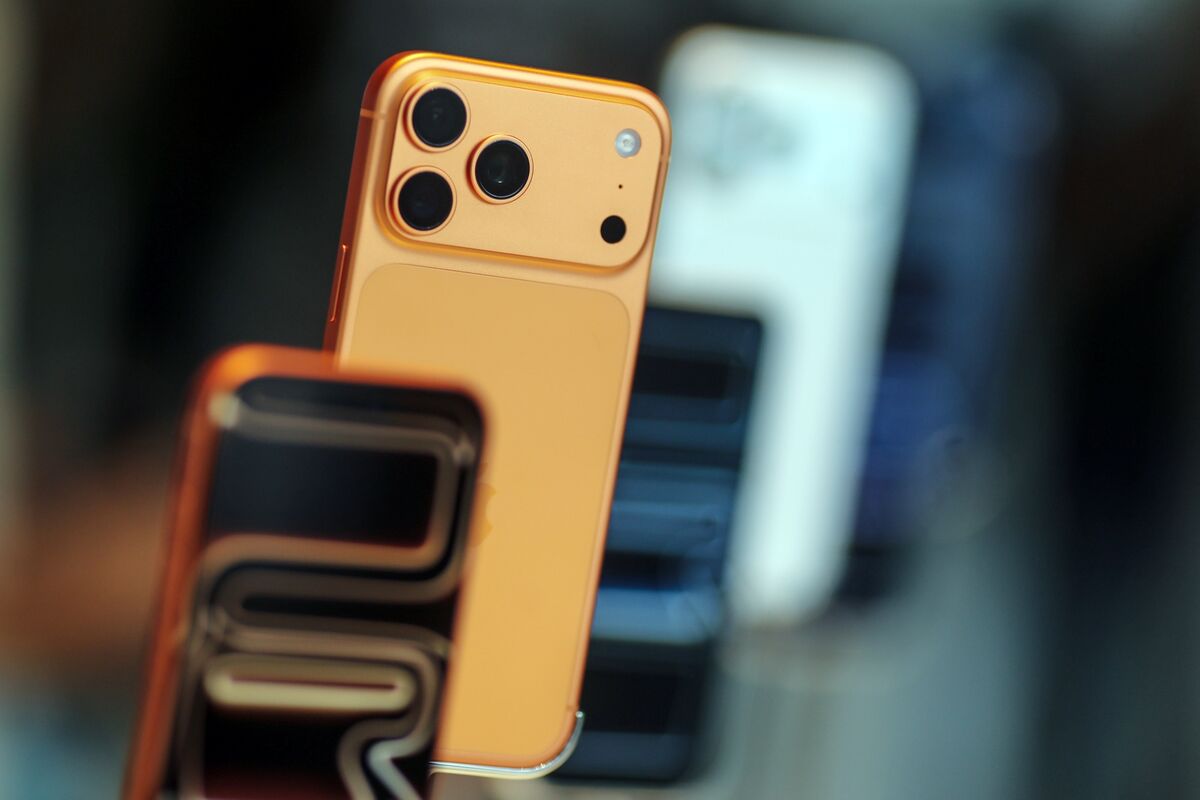
Apple's incoming CEO faces critical challenge to rebuild design team while planning 2027 iPhone and AirPods roadmap. Analysis for investors.
Apple Inc. is entering a pivotal transition period as its incoming chief executive confronts the urgent task of revitalizing a design organization that has reportedly lost direction, according to Bloomberg Technology. The leadership challenge comes as the company simultaneously maps out ambitious product plans extending to 2027, including next-generation iPhone and AirPods devices.
The report highlights a critical juncture for the world's most valuable technology company, where design excellence has historically served as a cornerstone of its competitive advantage and premium pricing power. For investors and market participants, the ability of Apple's new leadership to address organizational weaknesses while maintaining product innovation momentum will likely influence the company's market position in the coming years.
Table of Contents
- Leadership Transition and Design Team Challenges
- Strategic Product Roadmap Through 2027
- Implications for Apple's Competitive Position
- Investment Considerations
Leadership Transition and Design Team Challenges
According to the Bloomberg Technology newsletter, Apple's new CEO—identified as Ternus in the source material—inherits a design organization requiring substantial restructuring. The characterization that the design team has "lost its way" suggests potential issues with creative direction, organizational cohesion, or alignment with broader corporate strategy.
Apple's design function has historically been central to the company's identity, dating back to the influential tenure of Jony Ive, whose departure in 2019 marked the end of an era. The current situation implies that the post-Ive design leadership may have struggled to maintain the same level of innovation, clarity of vision, or organizational effectiveness that characterized earlier periods.
For a company whose brand equity rests heavily on industrial design, user experience, and aesthetic differentiation, weakness in the design organization represents a strategic vulnerability. The incoming CEO's ability to diagnose problems, attract top talent, and reestablish a coherent design philosophy will be closely watched by industry observers and investors alike.
Strategic Product Roadmap Through 2027
Despite organizational challenges, Apple continues to develop long-range product plans extending to 2027, with specific mention of iPhone and AirPods initiatives in the Bloomberg report. This forward-looking roadmap indicates that product development cycles remain active even as leadership transitions occur.
The 2027 timeline is particularly significant for investors, as it suggests Apple is planning product innovations three to four years ahead—a standard practice for complex consumer electronics requiring extensive research, development, and supply chain coordination. The iPhone remains Apple's largest revenue generator, while AirPods has emerged as a significant contributor to the company's wearables and accessories segment.
The juxtaposition of design team concerns with ongoing product planning raises questions about how organizational weaknesses might affect execution of these roadmaps. Successful product launches in 2027 will depend on decisions and design work occurring during this transitional period, making the CEO's intervention in the design function time-sensitive.
Implications for Apple's Competitive Position
The reported design challenges come at a moment when Apple faces intensifying competition across multiple product categories. In smartphones, competitors have narrowed gaps in hardware capabilities and industrial design. In wearables and audio products, the market has become increasingly crowded with capable alternatives at various price points.
Apple's historical advantage has rested not merely on technical specifications but on integrated design thinking that encompasses hardware, software, and services. Any erosion of design capabilities could threaten the premium positioning that supports the company's industry-leading margins.
The new CEO's mandate to rebuild the design team suggests recognition at the board level that current trajectories are unsustainable. Whether this represents a proactive course correction or a response to internal warning signs remains unclear from the available information, but the acknowledgment itself is noteworthy for a company that typically projects unwavering confidence.
Investment Considerations
For equity investors, leadership transitions at major technology companies introduce both risks and opportunities. The appointment of a new CEO with a clear mandate to address specific organizational weaknesses can catalyze positive change, but execution risk is substantial, particularly in creative functions like design that resist purely managerial solutions.
The 2027 product roadmap provides some visibility into Apple's strategic thinking, though the gap between planning and successful execution can be significant when organizational capabilities are in question. Investors will likely monitor product launch cadences, design reviews, and any personnel changes in the design organization as indicators of progress.
Apple's valuation has historically incorporated a premium for design excellence and brand strength. Any sustained perception that design capabilities have deteriorated could pressure this premium, even if financial results remain strong in the near term. Conversely, successful revitalization of the design function under new leadership could reinforce confidence in the company's long-term competitive position.
Conclusion
Apple's incoming CEO faces the dual challenge of addressing reported weaknesses in the company's design organization while maintaining momentum on product roadmaps extending to 2027. The situation underscores the ongoing importance of design capabilities to Apple's competitive strategy and premium market position. For investors, the leadership transition introduces execution risk but also potential for organizational renewal. Monitoring how the new CEO approaches design team restructuring, talent acquisition, and creative direction will provide important signals about Apple's trajectory in the coming years. The company's ability to deliver compelling products in 2027 may well depend on decisions made during this transitional period.
Read original source