markets
Aramco Helicopter Crash Kills All 14 in Ras Tanura
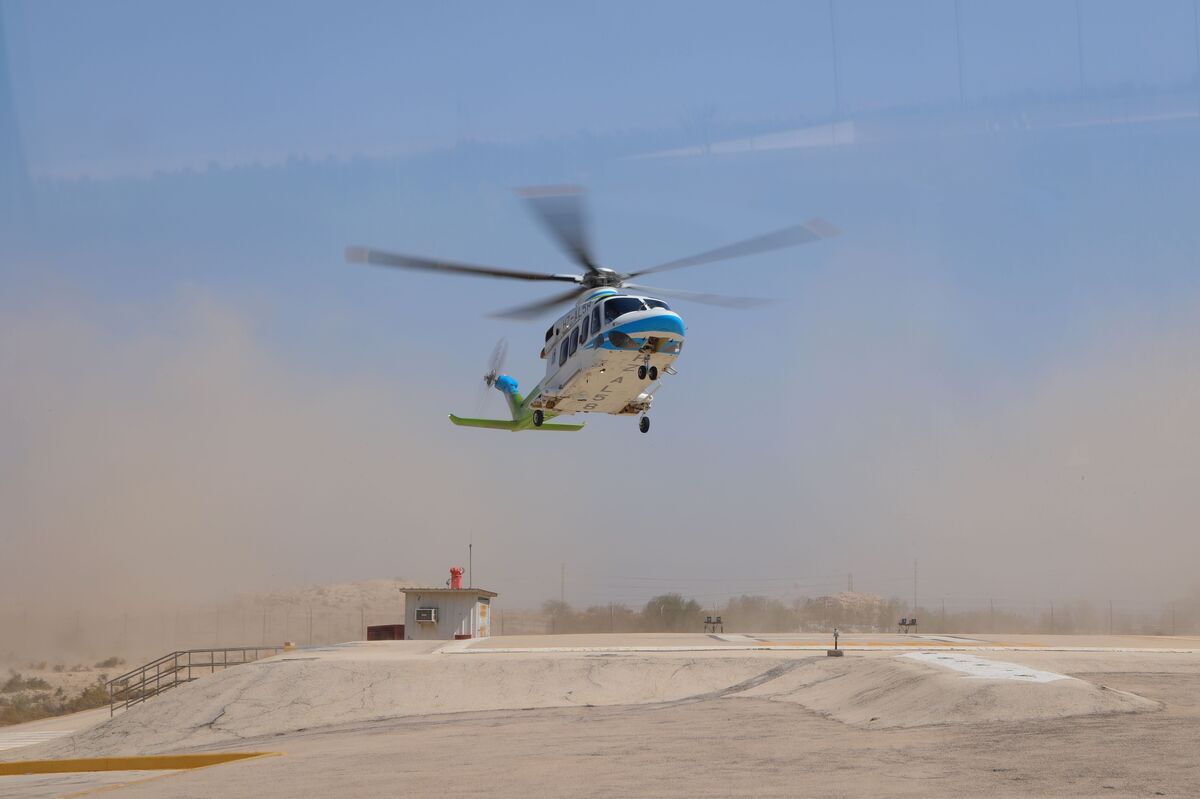
A Saudi Aramco helicopter crashed in Ras Tanura on June 28, 2026, killing all 14 passengers on board, according to Bloomberg Markets citing SPA.
A helicopter operated by Saudi Aramco crashed Sunday in the Saudi city of Ras Tanura, killing all 14 passengers on board, according to Bloomberg Markets citing the state-owned SPA news agency. The Aramco helicopter crash occurred on June 28, 2026, and represents a significant safety incident for the world's largest oil producer. No additional details regarding the cause of the crash, the identities of the passengers, or the operational context of the flight were provided in the available source.
Key Takeaways
A Saudi Aramco helicopter crashed in Ras Tanura on June 28, 2026, killing all 14 passengers on board, according to Bloomberg Markets.
The crash was reported by the state-owned SPA news agency, but no cause or additional operational details were disclosed.
For energy market readers, helicopter safety incidents at major oil facilities can raise questions about operational risk and workforce safety.
Readers should watch for future company disclosures, investigation findings, and any regulatory or operational updates from Saudi Aramco.
Table of Contents
What Happened
Why It Matters
What to Watch Next
What Happened
Bloomberg Markets reported on June 28, 2026, that a helicopter operated by Saudi Aramco crashed in the Saudi city of Ras Tanura, killing all 14 passengers on board. The report cited the state-owned SPA news agency as the source of the information. The crash occurred on Sunday, June 28, 2026. No further details regarding the cause of the crash, the identities of the passengers, the type of helicopter involved, or the operational purpose of the flight were provided in the available source.
Ras Tanura is a major oil port and refining center on Saudi Arabia's eastern coast, and Saudi Aramco operates significant infrastructure in the area. The company is the world's largest oil producer and a critical component of global energy supply. Helicopter operations are commonly used by energy companies to transport personnel to offshore platforms, remote facilities, and operational sites. The source did not specify whether the helicopter was engaged in offshore transport, facility inspection, or another operational activity at the time of the crash.
Why It Matters
For energy market readers, helicopter safety incidents at major oil facilities can raise questions about operational risk, workforce safety, and the potential for disruptions to production or logistics. While the available source does not indicate any immediate impact on Saudi Aramco's production capacity or operations, fatal accidents involving company personnel can prompt internal safety reviews, regulatory scrutiny, and operational adjustments. Investors and market participants often monitor such incidents for signals about a company's safety culture, operational discipline, and risk management practices.
In general market context, helicopter crashes involving energy sector personnel can also influence broader discussions about aviation safety standards, contractor oversight, and the operational challenges of maintaining large-scale energy infrastructure. For readers following broader market updates , this development can help frame the wider news context around operational risk in the energy sector. Without additional details, the event should be treated as a confirmed headline with limited operational detail, and readers should await further disclosures from Saudi Aramco or Saudi authorities.
What to Watch Next
Readers should watch for future disclosures from Saudi Aramco regarding the cause of the crash, the identities of the passengers, and any operational or safety measures the company may implement in response. Saudi authorities or aviation regulators may also release investigation findings or preliminary reports in the coming days or weeks. Market participants may monitor whether the incident prompts any changes to Saudi Aramco's operational procedures, workforce safety protocols, or contractor oversight practices.
For energy market readers, future updates on Saudi Aramco's production levels, operational continuity, and any potential regulatory or legal developments related to the crash may also be relevant. Helicopter safety incidents can sometimes lead to temporary operational adjustments, enhanced safety reviews, or changes to personnel transport procedures. Readers should also watch for any statements from Saudi Aramco's management, the Saudi government, or international energy market observers regarding the incident and its broader implications for the company's operations and safety record.
Read original source