market
Argentina Secures Dollar Funding Below 7% Without Wall Street
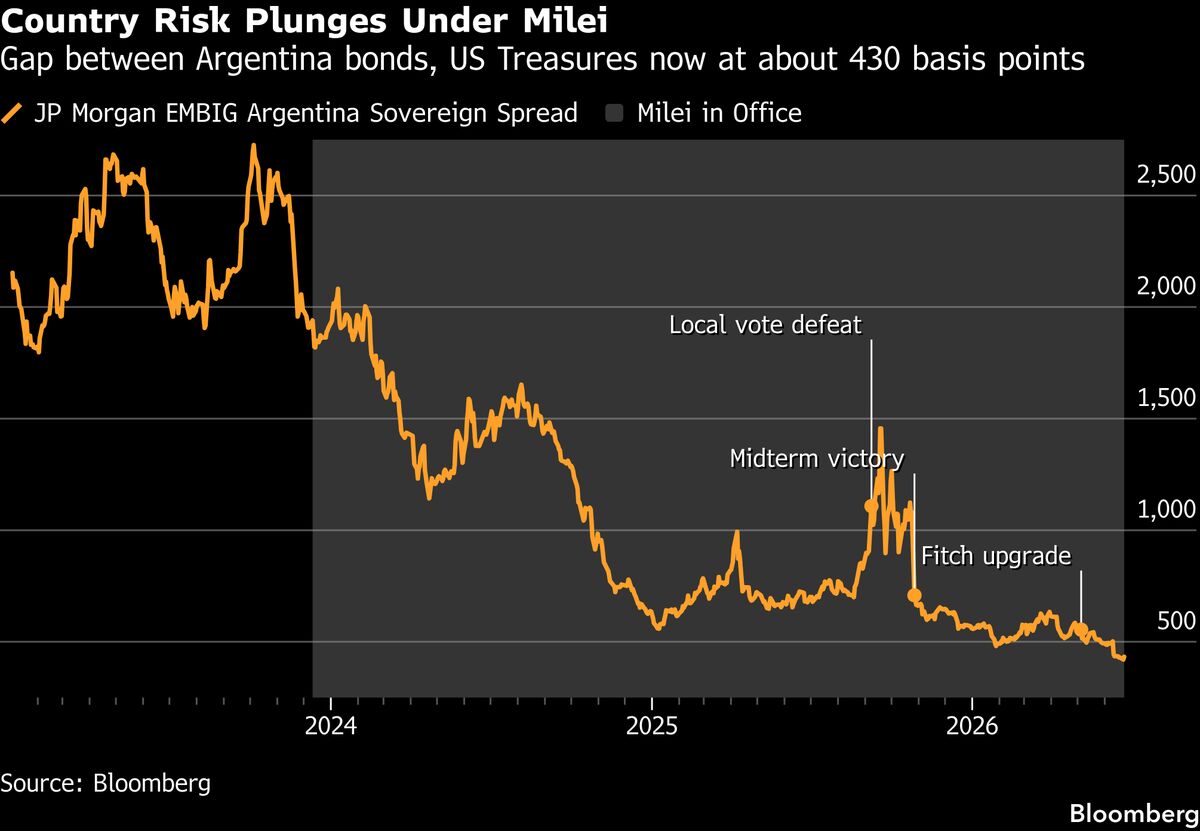
Argentine Economy Minister Luis Caputo's strategy of avoiding international markets paid off, securing dollar funding at rates below 7 percent.
According to Bloomberg Markets, Argentine Economy Minister Luis Caputo's strategy of resisting calls to raise funds in international markets appears to have paid off, with Argentina securing dollar funding at a rate lower than 7 percent. The approach marks a departure from traditional Wall Street financing channels that emerging market economies typically rely on for dollar-denominated debt.
Key Takeaways
Argentine Economy Minister Luis Caputo successfully raised dollar funding at rates below 7 percent without accessing Wall Street markets
The strategy of avoiding international capital markets appears to have delivered favorable borrowing terms for Argentina
Emerging market sovereign borrowers typically face varying interest rate environments depending on credit risk, market conditions, and funding sources (general context)
Alternative funding channels can include bilateral loans, multilateral institutions, and direct placements with specific investor groups (general context)
Table of Contents
What Happened
Why It Matters
What to Watch Next
What Happened
Argentine Economy Minister Luis Caputo pursued a deliberate strategy of resisting calls to raise funds in international markets, according to Bloomberg Markets. This approach has now yielded results, with Argentina securing dollar funding at a rate lower than 7 percent. The funding was obtained without tapping traditional Wall Street channels that emerging market sovereigns typically use for dollar-denominated borrowing.
The successful execution of this alternative funding strategy represents a concrete outcome for Argentina's economic team under the Milei administration. By avoiding conventional international bond markets, Caputo's ministry secured financing terms that came in below the 7 percent threshold. The source does not specify the exact rate, the total amount raised, the maturity profile, or the specific funding sources used to secure the dollars.
Why It Matters
Emerging market sovereigns face complex decisions when raising foreign currency, particularly dollars. Traditional international bond markets offer liquidity and access to diverse investor bases, but they also expose borrowers to market sentiment, credit rating agency assessments, and benchmark spreads that can push borrowing costs higher. When a country with Argentina's credit profile secures dollar funding below 7 percent through alternative channels, it signals that non-traditional funding pathways may offer competitive terms under certain conditions.
The broader context for sovereign borrowers includes multiple funding options beyond Wall Street bond issuance. Bilateral loans from other governments, credit facilities from multilateral institutions such as the International Monetary Fund or development banks, direct placements with institutional investors, and structured financing arrangements all represent potential sources of foreign currency. Each channel carries different terms, conditionality, and market perception. For Argentina, demonstrating the ability to secure favorable dollar funding outside conventional markets may provide fiscal flexibility and reduce dependence on volatile international bond markets, though the sustainability and scalability of such approaches depend on factors not detailed in the available source context.
What to Watch Next
Investors and analysts will monitor whether Argentina continues to rely on alternative funding channels or eventually returns to international bond markets. The durability of sub-7 percent dollar borrowing costs will depend on the specific terms, maturity structure, and whether the funding sources remain available for future needs. If Argentina can consistently access dollar liquidity at competitive rates without Wall Street, it may reshape expectations for how the country manages its external financing requirements.
Key indicators to follow include Argentina's foreign exchange reserve levels, the government's debt maturity calendar, and any public disclosures about the sources and terms of new dollar funding. Market participants will also watch for signals about Argentina's broader economic policy direction under the Milei administration, including fiscal discipline, inflation control, and currency management. The success of Caputo's strategy in securing favorable funding terms may influence other emerging market sovereigns exploring alternatives to traditional international capital markets, though each country's credit profile and market access differ significantly.
Read original source