policy
Bank of America Settles SEC Reporting Lapse Case for $7.5 Million
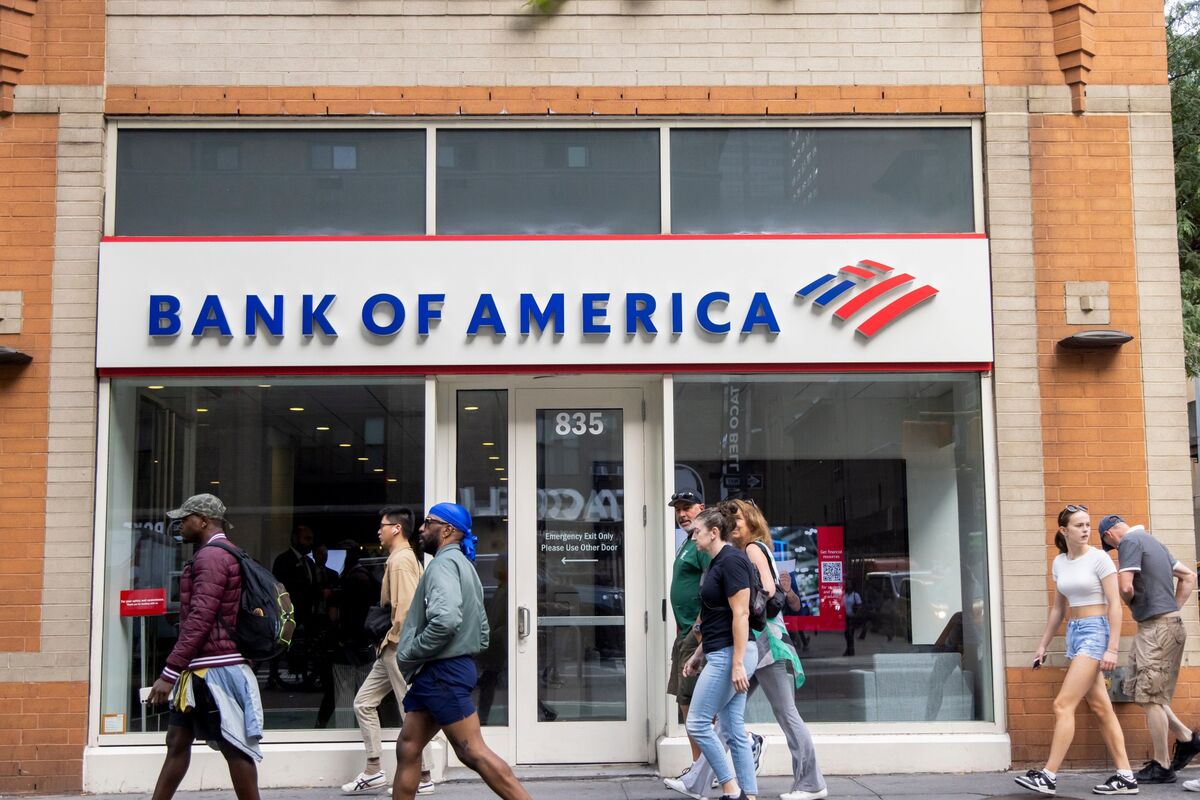
Bank of America agreed to pay $7.5 million to settle SEC allegations that Merrill Lynch failed to file required suspicious activity reports.
Bank of America Corp. agreed to pay $7.5 million to the Securities and Exchange Commission to settle allegations that its Merrill Lynch brokerage failed to properly file all required suspicious activity reports, according to Bloomberg Markets. The administrative action, filed Monday, highlights ongoing regulatory scrutiny of financial institutions' compliance with reporting obligations designed to detect and prevent illicit financial activity.
Key Takeaways
Bank of America agreed to pay $7.5 million to settle SEC allegations regarding Merrill Lynch's suspicious activity reporting
The SEC filed an administrative action Monday alleging the brokerage failed to file all required reports
The settlement reflects regulatory focus on financial institutions' compliance with anti-money laundering and reporting frameworks
Investors may watch for additional company disclosures about remediation measures and compliance enhancements
Table of Contents
Details of the Settlement
Regulatory Compliance Context
Investor Considerations
What to Watch Next
Details of the Settlement
Bank of America Corp. reached a $7.5 million settlement with the Securities and Exchange Commission to resolve allegations that its Merrill Lynch brokerage unit did not properly file all required suspicious activity reports, according to Bloomberg Markets. The SEC filed an administrative action on Monday detailing the alleged reporting lapses. The settlement allows Bank of America to resolve the matter without admitting or denying the allegations, a standard approach in many regulatory enforcement actions.
Suspicious activity reports are regulatory filings that financial institutions must submit when they detect transactions that may involve money laundering, fraud, terrorist financing, or other illicit activities. The SEC's enforcement action suggests that Merrill Lynch's reporting processes did not meet all regulatory requirements during the period under review. The source does not specify the time period covered by the allegations, the number of reports involved, or the specific nature of the suspicious activities that should have been reported.
Regulatory Compliance Context
For investors and market readers, regulatory compliance at large financial institutions matters because it reflects operational risk management, internal controls, and the quality of governance frameworks. Suspicious activity reporting is a cornerstone of the Bank Secrecy Act and anti-money laundering regulations in the United States. Financial institutions are required to maintain systems that can identify, investigate, and report potentially illicit transactions to the Financial Crimes Enforcement Network and other regulators.
When a brokerage fails to file required reports, it can signal weaknesses in transaction monitoring systems, staff training, or compliance oversight. Regulatory settlements of this nature often lead institutions to invest in enhanced compliance technology, additional staff, and improved internal audit processes. While the $7.5 million settlement is modest relative to Bank of America's overall financial scale, it underscores the importance regulators place on accurate and timely reporting. For readers following broader market updates , this development can help frame the wider regulatory environment facing large financial institutions.
Investor Considerations
Investors in Bank of America and other large financial institutions typically monitor regulatory enforcement actions as part of their assessment of operational risk and management quality. While a $7.5 million settlement is unlikely to materially affect Bank of America's financial results given its size, repeated or escalating enforcement actions can raise questions about the effectiveness of compliance programs and the potential for future penalties. The settlement may prompt investors to review the company's compliance disclosures in future quarterly and annual filings.
In general market context, regulatory enforcement trends can influence how investors evaluate financial services companies. Institutions with strong compliance records may be viewed as lower-risk, while those facing repeated enforcement actions may face higher scrutiny from investors, analysts, and credit rating agencies. The source does not provide details on whether Bank of America has faced similar enforcement actions in the past or how the company plans to address the issues identified by the SEC. Without additional disclosures, investors should treat this as a confirmed regulatory settlement with limited detail on the underlying compliance gaps.
What to Watch Next
Market readers and investors may watch for several follow-up items in the coming weeks and months. Bank of America may provide additional disclosures in its next quarterly earnings report or regulatory filings, including details on remediation measures, compliance program enhancements, or any changes to internal controls. The SEC may also release additional public documents or statements that provide more context on the scope and nature of the reporting lapses.
Investors may also monitor whether other large financial institutions face similar enforcement actions, which could signal broader regulatory scrutiny of suspicious activity reporting practices across the industry. Future company updates on compliance investments, technology upgrades, or staffing changes in the compliance function may offer insight into how Bank of America is addressing the issues raised by the SEC. Readers should continue to follow official company disclosures and regulatory filings for the most accurate and complete information on this matter.
Read original source