market
Bank of Japan Sees Inflation Risk Above 2% Target, Ueda Says
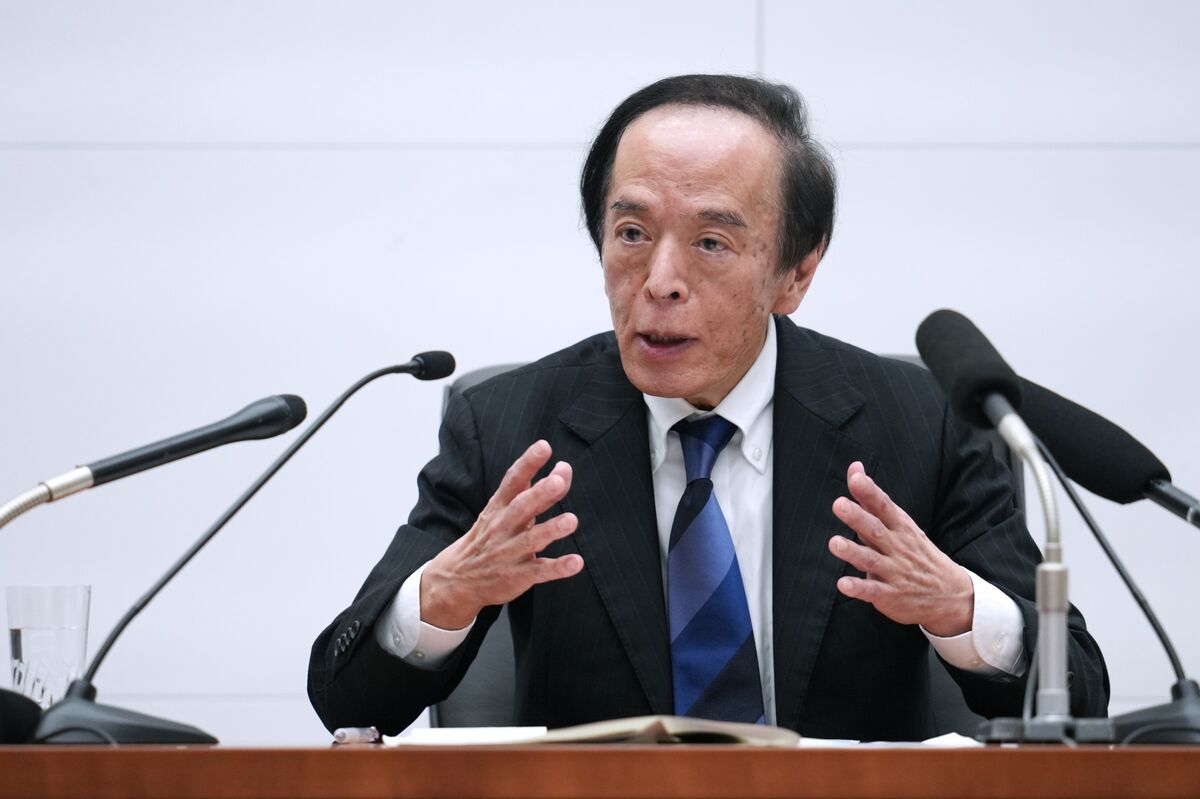
Bank of Japan Governor Kazuo Ueda said the central bank sees inflation risk exceeding its 2% target and will conduct additional rate hikes appropriately.
According to Bloomberg Markets, Bank of Japan Governor Kazuo Ueda stated on Wednesday that the central bank sees the risk of inflation exceeding its 2% target and will conduct additional interest-rate hikes appropriately. The remarks, delivered in a speech, reiterated the messaging policymakers have communicated in recent statements. The Bank of Japan inflation outlook signals continued vigilance on price stability as the central bank navigates its monetary policy normalization path.
Key takeaways
Bank of Japan Governor Kazuo Ueda said the central bank sees the risk of inflation exceeding its 2% target in a speech on Wednesday.
Ueda stated the Bank of Japan will conduct additional interest-rate hikes appropriately in response to inflation risks.
The remarks reiterated recent messaging from policymakers, suggesting continuity in the central bank's policy stance.
Central bank communication on inflation risk and rate hikes provides market participants with forward guidance on Japan's monetary policy trajectory.
Table of Contents
What happened
Why it matters
What to watch next
What happened
Bank of Japan Governor Kazuo Ueda delivered a speech on Wednesday in which he stated that the central bank sees the risk of inflation exceeding its 2% target. Ueda said the Bank of Japan will conduct additional interest-rate hikes appropriately in response to this inflation risk. The speech was reported by Bloomberg Markets, which noted that the governor's remarks reiterated messaging that policymakers have communicated recently. The statement comes as the Bank of Japan continues to adjust its monetary policy stance after years of ultra-loose policy.
The central bank's 2% inflation target has been a key benchmark for policy decisions, and Ueda's acknowledgment of upside risk to this target signals the bank's readiness to tighten policy further if necessary. The timing and content of the speech suggest the Bank of Japan is maintaining its forward guidance on the potential for additional rate increases. Central banks typically use speeches and public statements to communicate policy intentions to markets, helping shape expectations for future monetary policy actions.
Why it matters
Central bank communication on inflation and interest rates is closely watched by global financial markets because it shapes expectations for currency movements, bond yields, and capital flows. When a major central bank like the Bank of Japan signals a shift toward tighter monetary policy, it can influence the Japanese yen's exchange rate, Japanese government bond yields, and investor positioning across asset classes. The Bank of Japan's policy stance is particularly significant given Japan's long history of deflation and near-zero interest rates, making any move toward normalization a notable development for international investors.
The consistency of Ueda's messaging with recent policymaker statements suggests the Bank of Japan is building a clear narrative around its policy trajectory. This approach helps reduce market uncertainty and allows investors, businesses, and households to adjust their expectations and planning. For traders and portfolio managers, understanding the central bank's view on inflation risk and its willingness to raise rates further is essential for positioning in Japanese equities, fixed income, and currency markets. The broader context is that major central banks globally are navigating the balance between controlling inflation and supporting economic growth.
What to watch next
Market participants will monitor upcoming Bank of Japan policy meetings for concrete decisions on interest rates and any changes to the central bank's quantitative easing or yield curve control measures. Economic data releases, particularly inflation figures and wage growth statistics, will be critical in determining whether the upside risk to the 2% target materializes. Investors should also watch for further speeches and statements from Bank of Japan officials to assess whether the messaging remains consistent or if new nuances emerge in the policy outlook.
The Japanese yen's exchange rate against major currencies, particularly the US dollar, will be an important indicator of how markets are pricing in the likelihood and timing of additional rate hikes. Japanese government bond yields, especially at the 10-year maturity, will reflect investor expectations for the path of monetary policy. Additionally, corporate earnings reports and business sentiment surveys from Japan will provide insight into how the private sector is responding to the prospect of higher borrowing costs. Observers should note that central bank policy is data-dependent, and any significant shifts in economic conditions could alter the trajectory Ueda outlined in his speech.
Read original source