policy
Bank of Korea Warns Single-Stock Leveraged ETFs May Amplify Risk
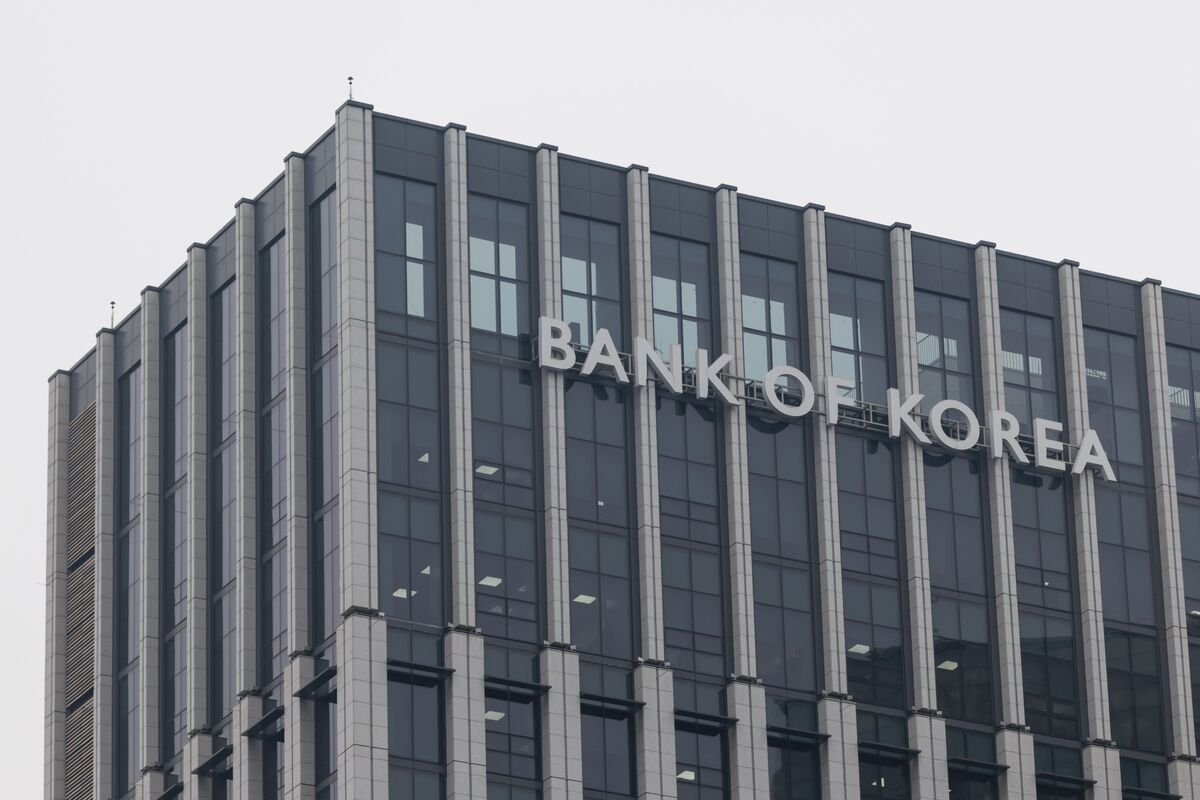
Bank of Korea warns that single-stock leveraged ETFs tied to Samsung and SK Hynix could deepen market concentration and amplify volatility.
The Bank of Korea has warned that single-stock leveraged exchange-traded funds tied to Samsung Electronics Co. and SK Hynix Inc. could deepen market concentration, amplify volatility, and intensify one-way trading flows, according to a report from Bloomberg Markets citing local news agency Yonhap. The central bank's warning highlights regulatory concerns about the structural risks these specialized investment products may pose to South Korean equity markets.
Key takeaways
The Bank of Korea warned that single-stock leveraged ETFs tied to Samsung Electronics and SK Hynix could deepen market concentration, according to Bloomberg Markets.
The central bank flagged risks including amplified volatility and intensified one-way trading flows in these products.
For investors, leveraged ETFs can magnify both gains and losses, and single-stock concentration adds additional risk layers.
Market readers may watch for future regulatory disclosures, trading data, and any additional central bank commentary on these products.
Table of Contents
Central Bank Warning
Market Concentration and Volatility Risks
Why Single-Stock Leveraged ETFs Matter
What to Watch Next
Central Bank Warning
According to Bloomberg Markets, the Bank of Korea issued a warning about single-stock leveraged exchange-traded funds linked to Samsung Electronics Co. and SK Hynix Inc. The central bank stated that these products could deepen market concentration, amplify volatility, and intensify one-way trading flows. The warning was reported by local news agency Yonhap, as cited in the Bloomberg Markets article. The source does not provide additional details about the timing, scope, or specific regulatory measures under consideration by the Bank of Korea.
Single-stock leveraged ETFs are structured products that aim to deliver a multiple of the daily performance of a single underlying stock, often using derivatives and borrowing. These products are designed for short-term trading and can magnify both gains and losses. The Bank of Korea's warning suggests that the central bank is monitoring the potential systemic risks these products may introduce to South Korean equity markets, particularly when concentrated in large-cap technology stocks such as Samsung Electronics and SK Hynix.
Market Concentration and Volatility Risks
The Bank of Korea's warning specifically highlighted three interconnected risks: market concentration, amplified volatility, and intensified one-way trading flows. Market concentration refers to the risk that a large volume of capital and trading activity becomes focused on a small number of stocks, which can reduce diversification and increase systemic risk. When leveraged ETFs are tied to individual stocks, they can contribute to this concentration by channeling additional capital and derivative exposure into those names.
Amplified volatility is a structural feature of leveraged ETFs, which use derivatives and daily rebalancing to achieve their target multiples. This rebalancing can create additional buying or selling pressure at the end of each trading day, particularly during periods of sharp price moves. One-way trading flows occur when market participants move in the same direction simultaneously, which can exacerbate price swings and reduce market liquidity. For readers following broader market updates , these dynamics can help frame the wider regulatory and structural risk context in equity markets.
Why Single-Stock Leveraged ETFs Matter
For investors, single-stock leveraged ETFs represent a high-risk, high-reward product category that requires careful understanding of the underlying mechanics. These products are designed to deliver a multiple of the daily return of a single stock, which means they reset daily and can experience significant tracking error over longer holding periods. Leveraged ETFs are generally intended for short-term tactical trading, not long-term investment, and can result in substantial losses if the underlying stock moves against the investor's position or experiences high volatility.
The Bank of Korea's warning suggests that regulators are paying closer attention to the potential market-wide effects of these products, particularly when they are concentrated in systemically important stocks such as Samsung Electronics and SK Hynix. These two companies are among the largest and most widely held stocks in South Korea, and both are major players in the global semiconductor industry. Any product that amplifies trading flows or volatility in these names could have broader implications for market stability, investor behavior, and capital allocation. The source does not provide details about the size of the leveraged ETF market in South Korea, the volume of assets under management in these products, or the specific regulatory actions the Bank of Korea may be considering.
What to Watch Next
Market readers may watch for future disclosures from the Bank of Korea, including any formal regulatory proposals, risk assessments, or policy measures related to single-stock leveraged ETFs. Additional details about the size, growth, and trading characteristics of these products in South Korean markets would help clarify the scope of the central bank's concerns. Investors and analysts may also monitor trading data for Samsung Electronics and SK Hynix, including volatility measures, trading volumes, and any unusual patterns in derivative activity or end-of-day rebalancing flows.
Further commentary from the Bank of Korea, the Financial Services Commission, or other South Korean regulatory bodies could provide additional context about the central bank's risk assessment and any potential policy responses. The source does not specify whether the Bank of Korea is considering restrictions, disclosure requirements, or other regulatory interventions. Without additional details, the warning should be treated as a confirmed regulatory signal with limited operational detail. Readers should watch for future source updates that may clarify the central bank's intentions and the potential impact on market structure, product availability, and investor access to leveraged ETF products.
Read original source