market
Bitcoin Retail Traders Exit Exposes Market Fragility in Selloff
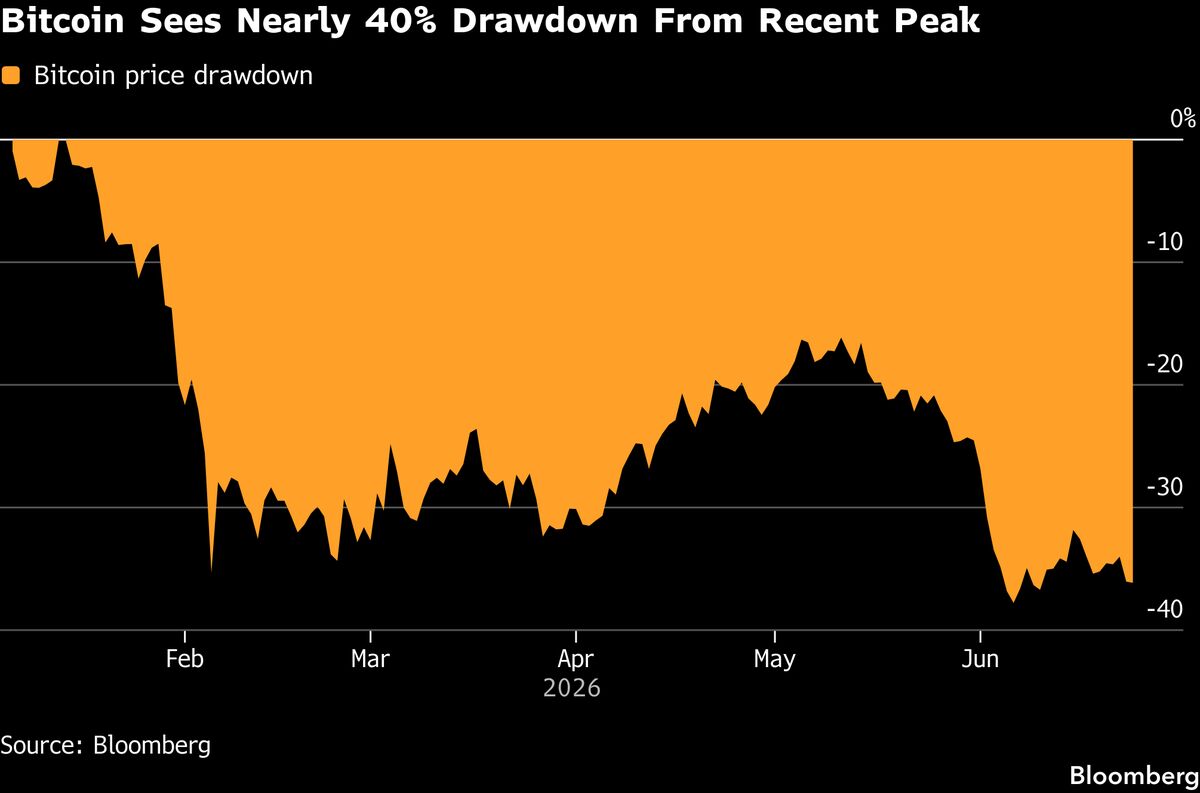
Bitcoin's latest selloff reveals retail traders have largely vanished, leaving the market more fragile despite Wall Street's scale and legitimacy.
According to Bloomberg Markets, Bitcoin's latest selloff has exposed a fundamental shift in market structure: the retail traders who once helped absorb sharp price declines have largely vanished, replaced by institutional participants who brought scale and legitimacy but left the market more fragile during downturns. The cryptocurrency spent years attempting to shed its reputation as a playground for speculative retail traders, but the tradeoff is now becoming apparent as Wall Street's presence has not replicated retail's stabilizing role during volatility.
Key takeaways
Bitcoin retail traders who historically absorbed sharp declines have largely exited the market, according to Bloomberg Markets
Wall Street participants brought scale and legitimacy but have not replaced retail's stabilizing function during selloffs
The shift exposes a fresh market fragility as Bitcoin's buyer base has fundamentally changed in composition
General context: Retail and institutional investors typically exhibit different trading behaviors during market stress, affecting liquidity and volatility patterns
Table of Contents
What happened
Why it matters
What to watch next
What happened
Bloomberg Markets reported on June 24, 2026, that Bitcoin's latest selloff has revealed a significant change in the cryptocurrency's market structure. The retail traders who historically helped absorb sharp price declines have largely disappeared from the market. This exodus follows years during which Bitcoin worked to move away from its reputation as a speculative playground dominated by retail participants. The shift has been accompanied by increased participation from Wall Street institutions, which brought greater scale and mainstream legitimacy to Bitcoin markets.
The report highlights a critical tradeoff that has emerged from this transformation. While institutional involvement has provided benefits in terms of market size and credibility, these participants have not replicated the role that retail buyers once played during periods of sharp price declines. The absence of this retail buying pressure during the latest selloff has exposed what Bloomberg characterizes as fresh market fragility, suggesting that the composition of Bitcoin's buyer base has fundamentally altered the cryptocurrency's behavior during periods of stress.
Why it matters
The disappearance of retail traders from Bitcoin markets represents a structural shift with implications for how the cryptocurrency responds to volatility. Retail investors and institutional participants typically exhibit different trading behaviors, risk tolerances, and time horizons. Retail traders have historically been characterized by higher willingness to buy during sharp declines, viewing dips as accumulation opportunities. Institutional participants, by contrast, often operate with different risk management frameworks, position sizing constraints, and redemption pressures that can influence their behavior during market stress. These differences affect overall market liquidity, volatility patterns, and the speed of price recovery following selloffs.
The transformation Bloomberg describes reflects broader questions about Bitcoin's evolution as an asset class. The cryptocurrency's journey from a retail-dominated speculative instrument to one with significant institutional participation has been accompanied by changes in trading infrastructure, regulatory scrutiny, and market depth. However, the current selloff suggests that institutional scale alone does not guarantee market stability. The fragility exposed by retail absence raises questions about whether Bitcoin's market structure has become more concentrated, whether institutional participants provide consistent liquidity across market conditions, and how the asset will behave during future periods of stress without the retail cushion that once helped absorb downside moves.
What to watch next
Observers should monitor whether retail participation returns to Bitcoin markets and under what conditions. Retail trader behavior is often influenced by price levels, media coverage, ease of access through trading platforms, and broader economic conditions affecting discretionary investment capital. Signs of retail re-engagement could include increased activity on retail-focused exchanges, changes in smaller transaction sizes on the blockchain, and shifts in social media sentiment and search interest. The absence of retail participation may persist if institutional dominance continues or if retail investors have migrated to other asset classes or cryptocurrencies.
Market participants should also track how institutional investors respond to continued volatility and whether their trading patterns stabilize or amplify price swings. Institutional behavior during stress periods can be influenced by portfolio rebalancing requirements, risk limits, client redemptions, and correlation with traditional assets. Additionally, the development of new market infrastructure such as exchange-traded products, custody solutions, and derivatives markets may influence both retail and institutional participation patterns. Understanding whether Bitcoin's market fragility is temporary or structural will require observing multiple market cycles and assessing whether the current buyer composition proves resilient or requires a rebalancing between retail and institutional participants.
Read original source