market
Brazilian Senate Leader Resigns Over Banco Master Ties
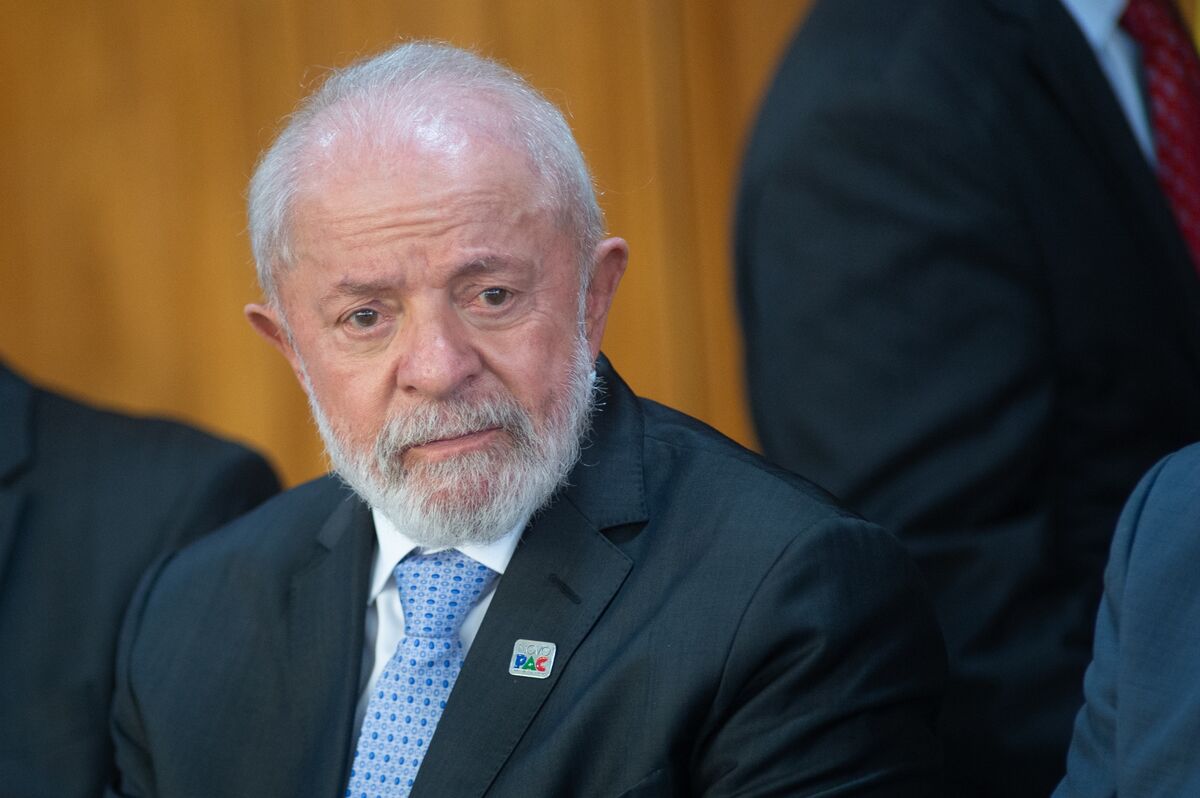
A Brazilian Senate leader from President Lula's party stepped down after police uncovered connections to failed lender Banco Master in June 2026.
According to Bloomberg Markets, the Brazilian Senate leader from President Luiz Inácio Lula da Silva's party stepped down from his post after a police investigation uncovered connections to failed lender Banco Master. The resignation marks a significant political development for the Lula administration as the Banco Master scandal continues to unfold.
Key takeaways
The Brazilian Senate leader from President Lula's party resigned from his leadership position following a police investigation
The investigation revealed connections between the senator and Banco Master, a failed Brazilian lender
The resignation represents a political challenge for the Lula administration amid an ongoing banking scandal
Political scandals involving financial institutions can affect investor confidence in emerging market governance and regulatory oversight
Table of Contents
What happened
Why it matters
What to watch next
What happened
The Brazilian Senate leader affiliated with President Luiz Inácio Lula da Silva's party vacated his leadership role after a police investigation uncovered ties between the senator and Banco Master, a lender that has failed. Bloomberg Markets reported the resignation on June 24, 2026. The investigation's findings prompted the senator's departure from his post within the Senate leadership structure.
The timing of the resignation coincides with ongoing scrutiny of Banco Master's collapse. While the source does not specify the nature of the connections uncovered by police or the scope of the investigation, the senator's decision to step down indicates the seriousness of the allegations or findings. The senator held a leadership position within the Brazilian Senate, representing President Lula's political party in that capacity.
Why it matters
Political scandals involving financial institutions carry significant implications for emerging market economies like Brazil. When senior political figures face allegations related to failed banks, it raises questions about regulatory oversight, political influence in the financial sector, and the integrity of governance structures. For investors monitoring Brazilian assets, such developments can affect sentiment toward sovereign debt, equity markets, and currency stability, particularly when they involve figures close to the executive branch.
Brazil's political landscape has historically been sensitive to corruption allegations and financial scandals, with previous episodes triggering market volatility and policy uncertainty. The resignation of a Senate leader from the president's own party creates potential complications for legislative priorities and coalition management. Financial sector scandals in emerging markets often lead to regulatory reforms, increased scrutiny of banking practices, and shifts in political capital that can influence economic policy direction.
What to watch next
Observers should monitor the progression of the police investigation into Banco Master and whether additional political figures or financial sector participants face scrutiny. The scope and findings of the investigation will determine whether this remains an isolated resignation or expands into a broader political crisis for the Lula administration. Legislative developments in the Brazilian Senate may also shift as leadership positions are filled and coalition dynamics adjust to the departure.
Market participants will track whether the scandal affects investor confidence in Brazilian financial sector oversight and governance standards. Credit rating agencies and international investors often incorporate political risk assessments into their evaluations of emerging market exposure. The Brazilian government's response to the Banco Master failure, including any regulatory reforms or accountability measures, will signal the administration's approach to financial sector integrity. Additionally, the political fallout within President Lula's party and the broader coalition could influence the government's ability to advance economic policy priorities through the legislature.
Read original source