market
CATL Sodium-Ion Batteries to Power 10,000+ EVs in 2026
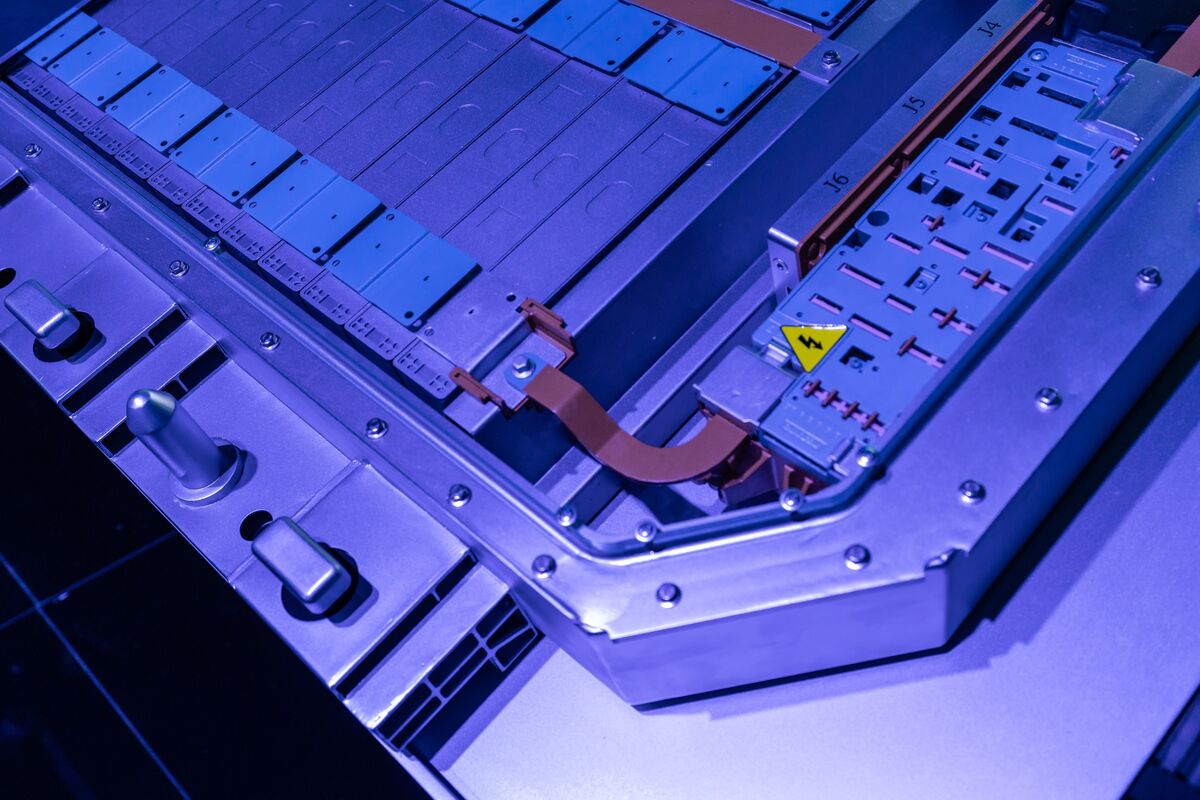
Contemporary Amperex Technology expects 10,000 to 20,000 electric vehicles to use its sodium-ion batteries in 2026, a senior official said.
Contemporary Amperex Technology Co. Ltd. expects between 10,000 and 20,000 electric vehicles to carry its sodium-ion batteries in 2026, according to a senior official for the Chinese company. The announcement, reported by Bloomberg Markets on June 24, 2026, signals a commercial expansion for CATL sodium-ion batteries beyond pilot programs and into broader electric vehicle production.
Key Takeaways
Contemporary Amperex Technology Co. Ltd. expects 10,000 to 20,000 electric vehicles to use its sodium-ion batteries in 2026, according to a senior company official.
The deployment represents a commercial-scale rollout of sodium-ion battery technology in the electric vehicle market.
Sodium-ion batteries offer an alternative chemistry to lithium-ion, with different cost, performance, and resource availability characteristics (general context).
CATL is a leading battery manufacturer with significant market share in the global electric vehicle supply chain (general context).
Table of Contents
What Happened
Why It Matters
What to Watch Next
What Happened
Contemporary Amperex Technology Co. Ltd. announced through a senior official that it expects 10,000 to 20,000 electric vehicles to be equipped with its sodium-ion batteries during 2026. The statement was reported by Bloomberg Markets on June 24, 2026. The projection indicates that CATL is moving its sodium-ion battery technology from development and testing phases into commercial production volumes for the electric vehicle market.
The company did not specify which vehicle manufacturers or models would incorporate the sodium-ion batteries, nor did it detail the geographic markets where these vehicles would be sold. The range of 10,000 to 20,000 units suggests the company is providing a forecast with some uncertainty around final adoption numbers. Contemporary Amperex Technology is one of the world's largest battery manufacturers, supplying lithium-ion batteries to major automotive companies globally (general context).
Why It Matters
The deployment of sodium-ion batteries in thousands of electric vehicles represents a significant milestone for alternative battery chemistries in the automotive sector (general context). Sodium-ion batteries use sodium instead of lithium as the primary charge carrier, offering potential advantages in raw material cost and availability (general context). Sodium is far more abundant in the Earth's crust than lithium, which has experienced supply constraints and price volatility as electric vehicle production has scaled globally (general context).
Battery chemistry diversification may help automakers and battery suppliers manage supply chain risks and cost pressures (general context). However, sodium-ion batteries typically have lower energy density than lithium-ion batteries, meaning they store less energy per unit of weight or volume (general context). This trade-off makes them potentially suitable for specific vehicle segments where cost is prioritized over maximum driving range, or for applications where weight is less critical (general context). CATL's commercial-scale deployment will provide real-world data on sodium-ion battery performance, durability, and customer acceptance in the automotive context (general context).
What to Watch Next
Observers should monitor which vehicle manufacturers announce partnerships or models featuring CATL sodium-ion batteries, as well as the specifications and pricing of those vehicles (general context). The performance characteristics of sodium-ion batteries in real-world driving conditions, including energy density, charging speed, cycle life, and cold-weather performance, will be important indicators of the technology's viability for broader adoption (general context). Any announcements from CATL regarding production capacity expansion for sodium-ion batteries would signal the company's confidence in demand growth beyond the 2026 projection (general context).
Competitive responses from other battery manufacturers will also be significant (general context). If CATL successfully deploys sodium-ion batteries at scale, other suppliers may accelerate their own alternative chemistry programs or adjust lithium-ion pricing strategies (general context). Regulatory developments, particularly in China and Europe, regarding battery material sourcing, recycling requirements, and sustainability standards may influence the relative attractiveness of sodium-ion versus lithium-ion technologies (general context). Investors and industry participants should track whether the 10,000 to 20,000 unit target is met, exceeded, or falls short, as actual deployment numbers will provide insight into market readiness and customer acceptance of sodium-ion battery technology in electric vehicles (general context).
Read original source