general
アップル変革のカギはデザイン復権、大ヒット左右する次期CEOの最優先課題-Power On
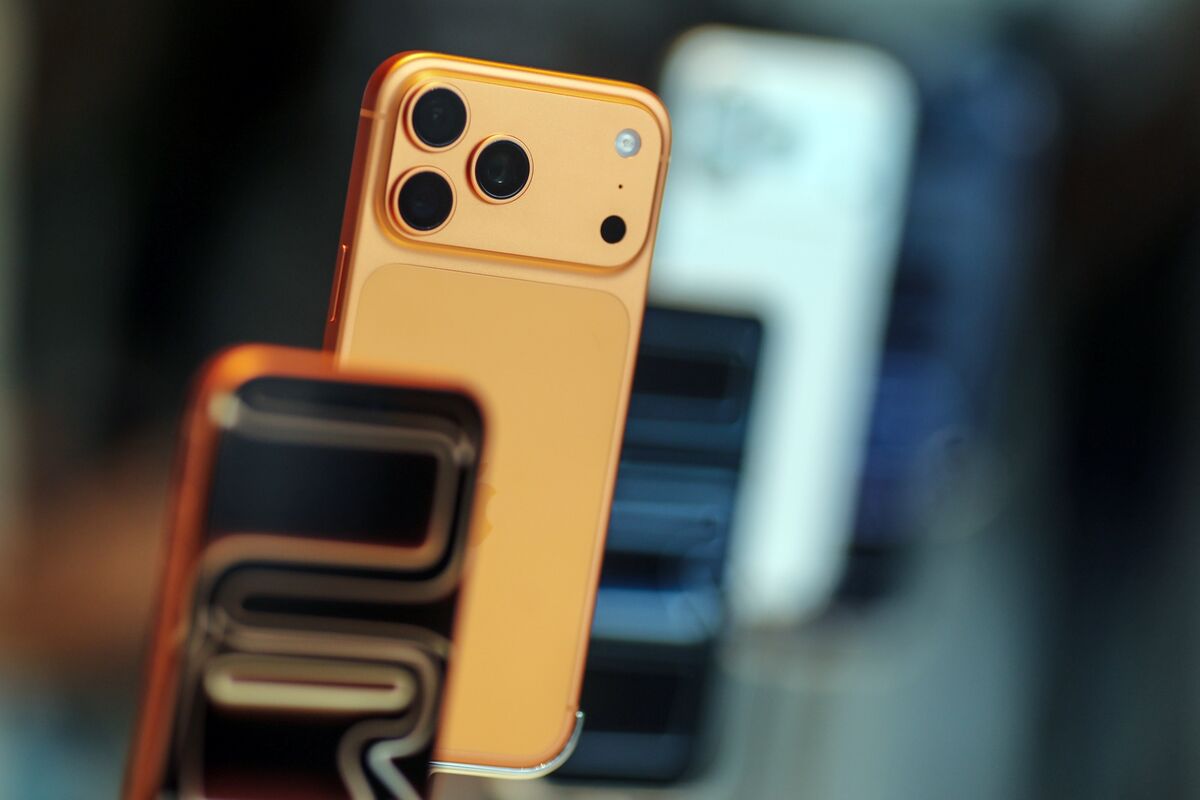
Apple's design revival emerges as top priority for next CEO as the company seeks to recapture innovation magic that once captivated global markets.
Apple's next chief executive faces a critical mandate: reviving the design department that once defined the company's global appeal. According to Bloomberg's Power On newsletter, the technology giant's design division stands at a crossroads, with its restoration emerging as the paramount challenge for incoming leadership.
The report highlights a stark contrast between Apple's current design trajectory and the era when its aesthetic innovation captivated consumers worldwide. For investors and market observers, the emphasis on design revival signals recognition that product differentiation remains central to Apple's competitive positioning and future growth prospects.
Table of Contents
- Design Department at Critical Juncture
- CEO Succession and Strategic Priorities
- Market Implications for Apple's Product Pipeline
- Conclusion
Design Department at Critical Juncture
Bloomberg's analysis positions Apple's design function as requiring fundamental reconstruction under new leadership. The design team, historically responsible for breakthrough products that commanded premium pricing and customer loyalty, now represents a strategic priority rather than the assured competitive advantage it once provided.
The characterization of the design department as standing at a crossroads suggests internal challenges that may have accumulated over recent product cycles. For a company whose brand identity was built on distinctive industrial design and user interface innovation, this assessment carries significant weight for investors evaluating Apple's ability to maintain market leadership.
The newsletter's framing indicates that design excellence is no longer viewed as a given at Apple, but rather as an organizational capability requiring deliberate executive attention and potential restructuring. This shift in internal perception may reflect broader concerns about product differentiation in increasingly commoditized technology categories.
CEO Succession and Strategic Priorities
The explicit linkage between CEO succession and design department revival reveals how Apple's board and current leadership view the company's strategic needs. By identifying design restoration as the top priority for the next chief executive, Apple signals that product innovation concerns outweigh other potential focus areas such as services expansion, supply chain optimization, or geographic market penetration.
This prioritization suggests that Apple's leadership recognizes design as fundamental to the company's ability to command premium pricing and maintain differentiation against competitors offering similar technical specifications at lower price points. The emphasis on design also indicates that future product success—and by extension, revenue growth and margin maintenance—depends on recapturing the aesthetic and functional innovation that characterized earlier product generations.
For investors analyzing CEO succession scenarios, the design mandate provides clarity on the skill set and background the board likely values in candidates. Leaders with product development experience and design sensibility may receive preference over those with primarily operational or financial expertise.
Market Implications for Apple's Product Pipeline
The focus on design revival carries direct implications for Apple's product roadmap and market performance. Products currently in development or planned for upcoming cycles may undergo reassessment if new leadership implements a design-focused strategic shift. This could affect launch timelines, feature prioritization, and competitive positioning across Apple's hardware portfolio.
Investors should consider that design department restructuring typically requires multi-year timelines to yield market-visible results. Industrial design, user interface development, and the integration of aesthetic vision with engineering constraints involve lengthy development cycles, particularly for hardware products requiring manufacturing partnerships and supply chain coordination.
The characterization of design as potentially determining whether products become major hits underscores the financial stakes involved. For a company of Apple's scale, the difference between a successful product cycle and a disappointing one translates to billions in revenue and significant stock price movement. The explicit acknowledgment that design quality will influence hit potential suggests management awareness that recent products may not have achieved the market impact of earlier innovations.
Conclusion
Apple's identification of design department revival as the primary challenge for its next CEO represents a significant strategic acknowledgment. The company that once set global standards for technology product design now views this capability as requiring deliberate restoration rather than organic continuation. For investors, this focus indicates both risk—that current design capabilities may be insufficient for sustained competitive advantage—and opportunity, if new leadership successfully rebuilds the department that historically drove Apple's premium market position. The coming CEO transition will test whether Apple can recapture the design excellence that once made its products cultural phenomena and market leaders.
Read original source