markets
Chanel Acquires Charvet, Historic French Shirtmaker
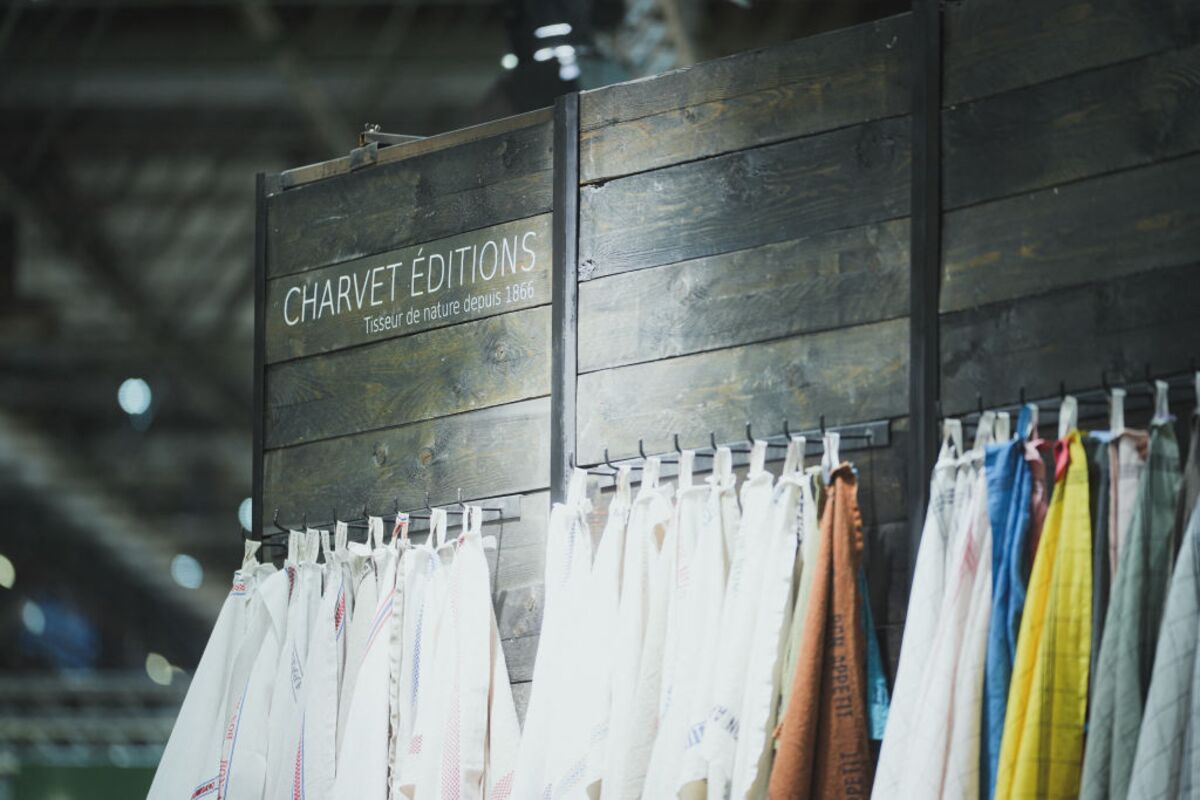
Chanel agreed to buy Charvet, France's oldest shirtmaker known for €655 linen shirts, marking a luxury brand expansion into heritage menswear.
Chanel agreed to buy Charvet, the oldest shirtmaker in France that once counted Winston Churchill among its clients and whose striped linen shirts typically go for about €655 ($746), according to Bloomberg Markets. The Chanel Charvet acquisition marks a notable expansion for the luxury fashion house into heritage menswear, bringing together two storied French brands with deep roots in craftsmanship and premium positioning.
Key takeaways
Chanel agreed to acquire Charvet, France's oldest shirtmaker, according to Bloomberg Markets
Charvet's striped linen shirts typically retail for approximately €655 ($746)
The acquisition brings together two heritage French luxury brands with distinct market positions
Investors may watch for future disclosures on transaction terms, integration strategy, and brand positioning
Table of Contents
Acquisition Details
Market Implications
What to Watch Next
Acquisition Details
Chanel agreed to buy Charvet, the oldest shirtmaker in France, Bloomberg Markets reported. Charvet has built a reputation for premium menswear, with its striped linen shirts typically priced at about €655, equivalent to approximately $746. The shirtmaker's client history includes Winston Churchill, underscoring its long-standing position in the luxury menswear market. The source context confirms the acquisition agreement but does not provide transaction terms, closing timeline, or integration details.
The deal represents a strategic move by Chanel into heritage menswear, a category where the luxury house has historically maintained a smaller presence compared to its core womenswear and accessories businesses. Charvet's craftsmanship heritage and premium price positioning align with Chanel's broader luxury brand architecture. Further company disclosures would be needed to determine how Chanel plans to integrate Charvet's operations, whether the brand will retain its independent identity, and what role the acquisition plays in Chanel's long-term product and geographic expansion strategy.
Market Implications
For investors and market readers, luxury brand acquisitions can matter because they signal capital allocation priorities, brand portfolio strategy, and management confidence in specific product categories or customer segments. Chanel's decision to acquire a heritage menswear brand suggests the company sees value in expanding its menswear offering through established craftsmanship rather than building new product lines internally. Luxury menswear has historically represented a growth opportunity for fashion houses, particularly in categories where heritage, quality, and exclusivity drive customer loyalty and pricing power.
The acquisition also highlights broader trends in the luxury goods sector, where consolidation, vertical integration, and brand portfolio expansion have become common strategies for maintaining competitive positioning. For readers following broader market updates , this development can help frame how luxury conglomerates and independent houses allocate capital, manage brand identity, and navigate evolving consumer preferences. Charvet's premium pricing—with shirts retailing for over $700—positions the brand in the ultra-luxury segment, where margins, customer retention, and brand equity can differ materially from mass-market or accessible luxury categories.
What to Watch Next
Market readers may watch for future disclosures on transaction terms, including purchase price, financing structure, and any contingencies or regulatory approvals. Additional details on Chanel's integration strategy, brand positioning, and operational plans for Charvet would help investors assess how the acquisition fits into Chanel's broader portfolio and whether the company plans to expand Charvet's product range, geographic footprint, or distribution channels. Any commentary from Chanel management on the strategic rationale, expected synergies, or long-term brand vision would provide useful context for evaluating the deal's potential impact.
Investors may also monitor broader luxury sector trends, including consumer demand for heritage menswear, pricing dynamics in the ultra-luxury segment, and competitive positioning among independent luxury brands and larger conglomerates. Charvet's historical client base and craftsmanship reputation may offer insights into how niche luxury brands maintain pricing power and customer loyalty in a market increasingly shaped by scale, digital distribution, and evolving consumer preferences. Future financial disclosures, brand performance updates, and any changes to Charvet's product offering or market positioning would be relevant follow-up items for readers tracking the luxury goods sector.
Read original source