market
China Throttles Critical Mineral Exports to Japan Amid Tensions
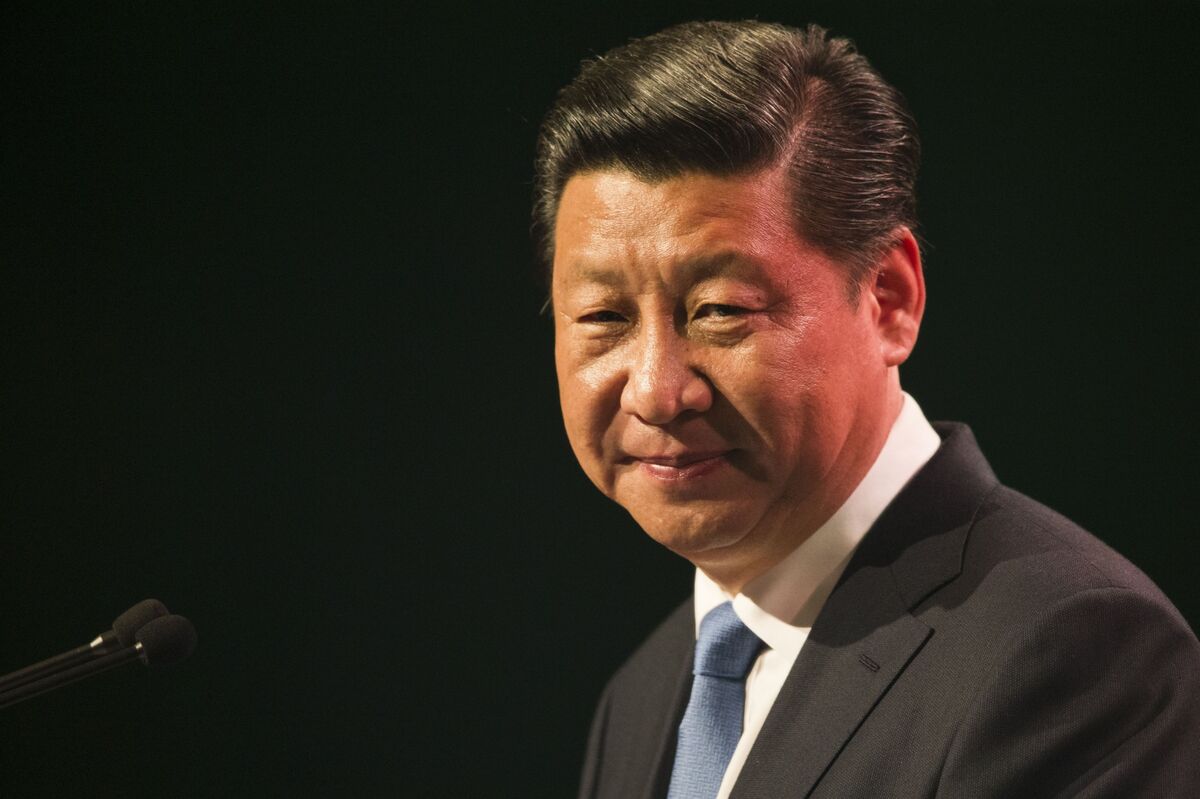
China is reducing critical mineral shipments to Japan, affecting companies and prompting diplomatic pressure on Prime Minister Sanae Takaichi.
According to Bloomberg Markets, China is reducing shipments of critical minerals to Japan, a slowdown that is affecting Japanese companies and generating calls for Prime Minister Sanae Takaichi to pursue a diplomatic resolution with Beijing. The throttling of these key mineral exports represents a pressure point in the bilateral relationship between the two Asian economies, with material supply constraints now creating commercial and political consequences.
Key takeaways
China is choking shipments of some critical minerals to Japan, according to Bloomberg Markets reporting on June 23, 2026
The slowdown is hurting Japanese companies that depend on these mineral inputs for manufacturing and production
The supply constraints are prompting calls for Prime Minister Sanae Takaichi to find a diplomatic off-ramp with Beijing
Critical minerals are essential inputs for electronics, batteries, renewable energy systems, and advanced manufacturing, making supply security a strategic concern for industrialized economies
Table of Contents
What happened
Why it matters
What to watch next
What happened
Bloomberg Markets reported on June 23, 2026, that China is throttling shipments of certain critical minerals to Japan. The reduction in export volumes is creating supply constraints for Japanese companies that rely on these materials as inputs for their operations. The slowdown has reached a level where it is generating commercial harm and prompting political responses within Japan.
The supply pressure is leading to calls for Prime Minister Sanae Takaichi to pursue a diplomatic solution with Beijing. The situation reflects a use of mineral export controls as a tool of economic and political leverage, with the slowdown serving as pressure on Japan's leadership to adjust its approach to bilateral relations with China. The specific minerals affected, the duration of the slowdown, and the scale of the reduction were not detailed in the available source context.
Why it matters
Critical minerals are essential raw materials for a wide range of modern industries, including electronics manufacturing, battery production, renewable energy systems, aerospace, defense, and advanced materials. These minerals often have limited geographic sources, concentrated processing capacity, and long, complex supply chains. When a major supplier restricts exports, downstream manufacturers face input shortages, production delays, and cost increases. For an advanced manufacturing economy like Japan, secure access to critical minerals is a strategic necessity.
The use of mineral export controls as a geopolitical tool has become more common in recent years, as countries recognize the leverage that control over key inputs provides. China is a dominant producer and processor of many critical minerals, including rare earth elements, graphite, tungsten, and others essential to high-tech manufacturing. When export restrictions are imposed, affected countries must either negotiate, seek alternative suppliers, invest in domestic processing capacity, or build strategic stockpiles. The diplomatic pressure on Prime Minister Takaichi reflects the challenge of balancing economic security with broader foreign policy considerations.
What to watch next
Observers should monitor whether Japan and China engage in diplomatic negotiations to resolve the mineral export slowdown, and whether any public statements or agreements emerge from such talks. The response from Japanese companies affected by the supply constraints will also be important, including any announcements of alternative sourcing arrangements, stockpile drawdowns, production adjustments, or supply chain diversification efforts. Changes in Japan's trade policy, investment in domestic mineral processing, or partnerships with other mineral-producing countries could signal longer-term strategic shifts.
Additionally, the broader pattern of critical mineral export controls and trade restrictions will be relevant for global supply chain planning. Other countries that depend on Chinese mineral exports may adjust their own sourcing strategies in response to this episode. The political dynamics within Japan, including public and business community reactions to the supply pressure and the government's diplomatic approach, will shape the trajectory of Japan-China relations. Any escalation or de-escalation in trade restrictions, tariffs, or other economic measures between the two countries will provide further context for the mineral export slowdown.
Read original source