market
China Weakens Yuan Fixing for Fourth Session as Dollar Rises
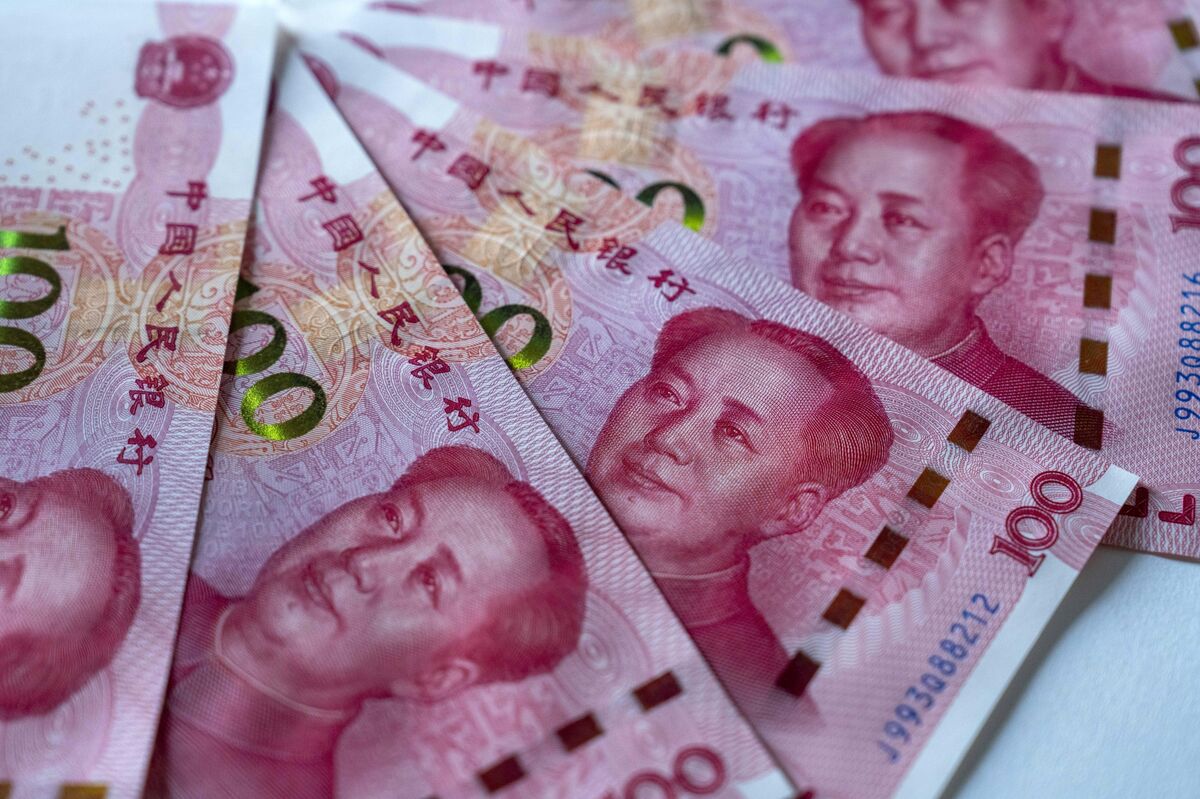
China's central bank set the yuan guidance rate weaker for a fourth straight session on June 24, 2026, showing currency flexibility amid dollar strength.
According to Bloomberg Markets, China's central bank set the daily guidance rate for the yuan weaker for a fourth straight session on June 24, 2026, demonstrating flexibility in currency management as the US dollar continues to advance. The People's Bank of China's consecutive adjustments to the yuan fixing signal a measured response to shifting currency market dynamics and dollar strength.
Key takeaways
China's central bank weakened the daily yuan guidance rate for the fourth consecutive session on June 24, 2026
The adjustment shows flexibility in currency management in response to the US dollar's advance
Daily yuan fixings serve as the central reference point around which the yuan can trade within a band (general context)
Central bank currency guidance reflects a balance between market forces and policy objectives (general context)
Table of Contents
What happened
Why it matters
What to watch next
What happened
The People's Bank of China set the daily guidance rate for the yuan weaker for a fourth straight session, according to Bloomberg Markets reporting on June 24, 2026. The central bank's action demonstrates flexibility in currency management as the US dollar continues its advance in global foreign exchange markets. The consecutive weakening of the yuan fixing represents a sustained directional adjustment by Chinese monetary authorities.
The daily fixing serves as the official reference rate set by the People's Bank of China each trading day before markets open. This guidance rate establishes the central point around which the yuan is permitted to trade within a specified band during the session. The four-session streak of weaker fixings indicates a deliberate policy response to external currency pressures, particularly the strengthening US dollar which affects exchange rate dynamics across emerging market currencies.
Why it matters
China's daily yuan fixing carries significant weight in global currency markets because it reflects the central bank's policy stance and influences trading behavior across Asian sessions. The fixing mechanism allows Chinese authorities to balance market forces with policy objectives, providing a tool to manage currency volatility while maintaining some degree of market determination. When the People's Bank of China adjusts the fixing weaker over multiple sessions, it signals tolerance for yuan depreciation within managed parameters rather than resisting market pressures through intervention or tighter controls.
The flexibility shown in the yuan fixing becomes particularly relevant during periods of dollar strength, which typically creates depreciation pressure on emerging market currencies. Central banks face a choice between defending their currency through intervention—which depletes foreign exchange reserves—or allowing managed adjustment through guidance rate changes. China's approach of gradual fixing adjustments represents a middle path that acknowledges market forces while maintaining orderly currency conditions. For global investors and traders, the fixing direction provides insight into Chinese monetary policy priorities and the central bank's comfort level with yuan valuation at current levels.
What to watch next
Market participants should monitor whether the People's Bank of China continues the pattern of weaker yuan fixings or stabilizes the guidance rate in coming sessions. The duration and magnitude of fixing adjustments will signal whether Chinese authorities view current dollar strength as a temporary phenomenon or a sustained trend requiring ongoing currency management. Additionally, the gap between the official fixing and actual market trading levels provides information about underlying currency demand and whether the central bank's guidance aligns with market forces or requires additional policy support.
The broader dollar trajectory remains a key variable, as sustained US dollar strength would likely prompt continued yuan fixing adjustments to maintain competitive export pricing and avoid excessive currency appreciation pressure on trading partners. Observers should also track China's foreign exchange reserve levels and any commentary from People's Bank of China officials regarding currency policy objectives. The interplay between the yuan fixing, actual trading levels, and offshore yuan markets will indicate whether the central bank's managed flexibility approach successfully balances stability objectives with market realities during this period of dollar strength.
Read original source