market
Chinese Crushers Seek Australian Canola on Trade Pact Hopes
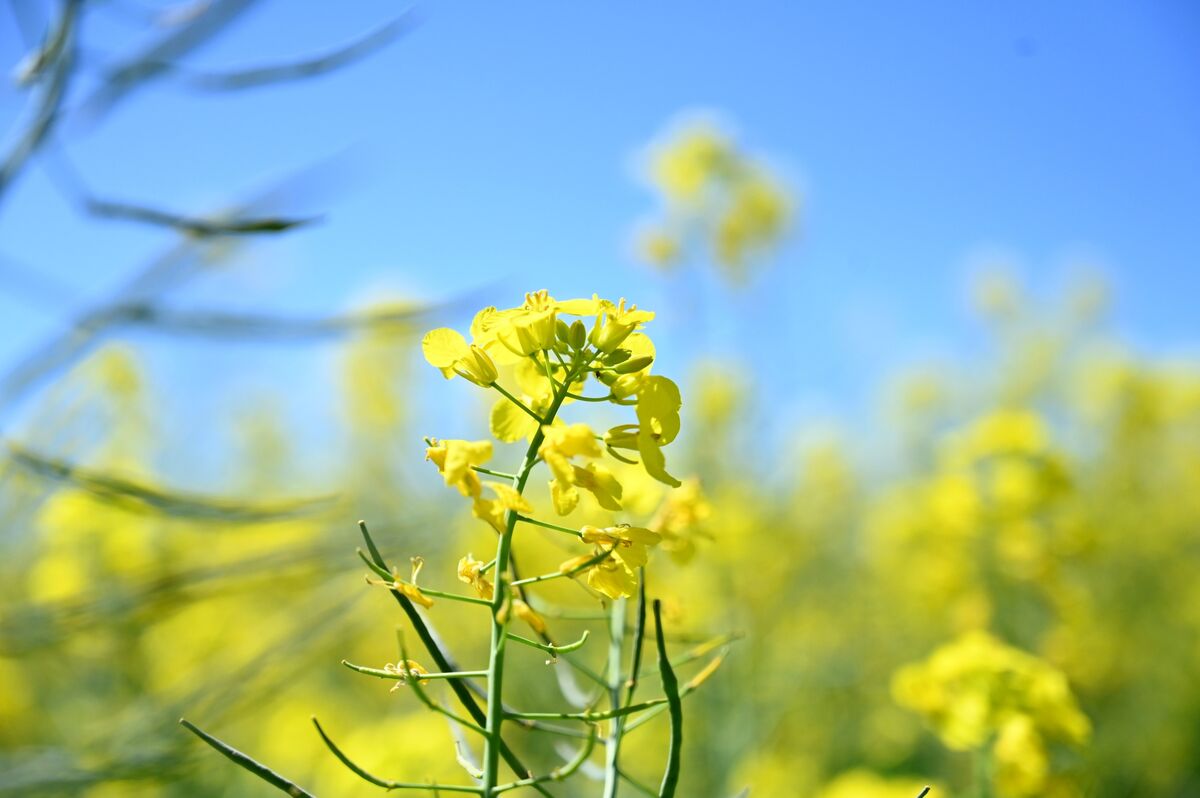
Chinese oilseed crushers inquire for Australian canola cargoes, anticipating a trade pact that could end a years-long supply freeze.
Chinese oilseed crushers have made inquiries for fresh cargoes of Australian canola in anticipation of a trade pact that could end a years-long freeze on supplies, according to Bloomberg Markets. The inquiries signal renewed interest in Australian canola exports following a prolonged period during which Chinese buyers were unable to access these supplies. The potential resumption of trade would mark a significant shift in agricultural commodity flows between the two nations, affecting both oilseed markets and broader trade relations.
Key takeaways
Chinese oilseed crushers have inquired for fresh Australian canola cargoes, according to Bloomberg Markets reporting on June 25, 2026.
The inquiries come amid anticipation of a trade pact that could end a years-long freeze on Australian canola supplies to China.
Canola is a key oilseed used in crushing operations to produce vegetable oil and protein meal for animal feed.
Trade disruptions in agricultural commodities can reshape global supply chains, affecting prices, logistics, and alternative sourcing strategies.
Table of Contents
What happened
Why it matters
What to watch next
What happened
Chinese oilseed crushers have made inquiries for fresh cargoes of Australian canola, according to Bloomberg Markets. The inquiries represent a notable development in bilateral agricultural trade, as they come in anticipation of a trade pact that could end a years-long freeze on supplies. The source does not specify the volume of inquiries, the number of crushers involved, or the timeline for potential shipments, but the fact that inquiries are being made suggests market participants are positioning for a potential policy shift.
The years-long freeze referenced in the reporting indicates that Australian canola has been unavailable to Chinese buyers for an extended period. The source does not detail the specific cause of the freeze, the exact duration, or the terms of the anticipated trade pact. However, the timing of the inquiries suggests that industry participants expect regulatory or diplomatic changes that would permit resumed trade flows between Australia and China in the canola market.
Why it matters
Canola is a critical oilseed in global agricultural commodity markets. Crushers process canola seeds to extract vegetable oil for cooking and industrial uses, while the remaining meal serves as high-protein animal feed. China operates some of the world's largest oilseed crushing facilities and is a major importer of oilseeds to meet domestic demand for edible oils and livestock feed. Australia is a significant canola producer, and access to the Chinese market represents a substantial export opportunity for Australian growers and exporters.
Trade disruptions in agricultural commodities often force buyers to seek alternative sources, which can reshape global supply chains and affect pricing dynamics. When a major buyer like China is unable to access supplies from a traditional source like Australia, it typically turns to other origins such as Canada or European producers, potentially tightening supplies elsewhere and influencing global canola prices. The resumption of Australian canola exports to China could ease pressure on alternative suppliers and rebalance regional trade flows. For traders and investors, developments in agricultural trade policy can signal shifts in commodity demand, freight patterns, and currency flows tied to export revenues.
What to watch next
Market participants should monitor official announcements regarding any trade pact between Australia and China that would permit the resumption of canola shipments. The source does not provide details on the status of negotiations, the expected timeline for an agreement, or the specific terms that would govern renewed trade. Any formal policy change would likely be accompanied by regulatory updates from Chinese customs authorities or Australian trade officials, which would clarify import protocols, phytosanitary requirements, and tariff treatment.
Traders should also watch for actual cargo bookings and shipment data following any policy shift. Inquiries represent early-stage interest, but confirmed purchases, vessel fixtures, and port arrivals would provide concrete evidence of resumed trade flows. Additionally, canola price movements in Australian domestic markets and international benchmarks could reflect changing demand expectations. Broader agricultural trade relations between Australia and China, including other commodities such as barley, wine, and beef, may also influence the pace and scope of canola trade normalization.
Read original source