market
Chinese Zinc Exports Eyed to Clear Domestic Glut
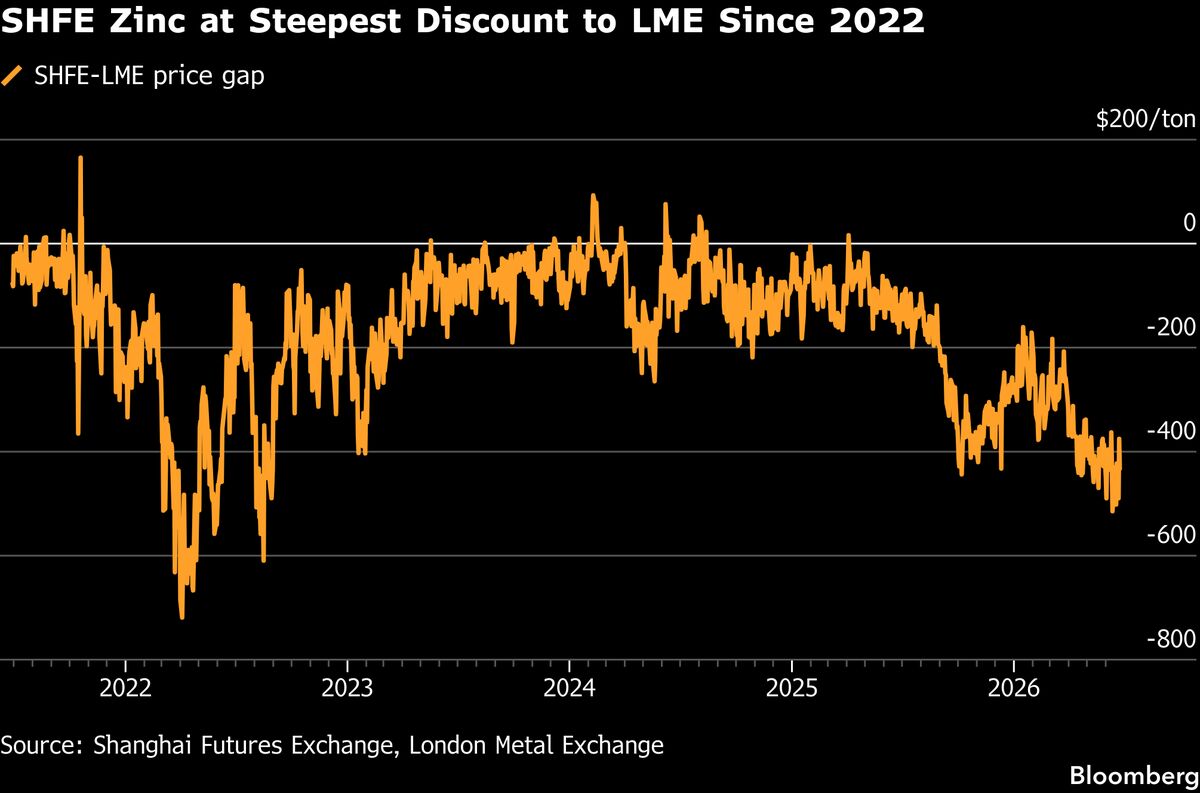
Chinese zinc producers await profitable export conditions to address domestic oversupply, according to Bloomberg Markets reporting on June 24, 2026.
According to Bloomberg Markets, Chinese zinc producers are waiting for Chinese zinc exports to become more profitable as they seek to address a domestic glut of the metal. The report, published on June 24, 2026, highlights the challenge facing Chinese zinc traders as they monitor international price differentials and export economics. The zinc market situation reflects broader dynamics in China's industrial metals sector, where domestic supply-demand imbalances can create pressure for producers to seek offshore markets.
Key takeaways
Chinese zinc producers are waiting for export profitability to improve to clear domestic oversupply, according to Bloomberg Markets reporting on June 24, 2026
A domestic glut of zinc has accumulated in China, creating pressure on local producers to find alternative markets
Export economics in base metals depend on price differentials between domestic and international markets, shipping costs, and trade conditions (general context)
China is a major global zinc producer, and shifts in its export patterns can influence international zinc pricing and availability (general context)
Table of Contents
What happened
Why it matters
What to watch next
What happened
Bloomberg Markets reported on June 24, 2026, that Chinese zinc producers are eagerly waiting for exports to become more profitable. The report indicates that producers are looking to exports as a mechanism to help clear a glut of zinc metal that has accumulated in the domestic market. The timing and profitability of export opportunities depend on the relationship between domestic Chinese zinc prices and international benchmark prices, along with associated costs such as shipping, insurance, and any applicable trade tariffs or duties.
The presence of a domestic glut suggests that zinc supply in China currently exceeds domestic demand, creating downward pressure on local prices and inventory challenges for producers. When domestic prices fall below international prices by a sufficient margin to cover export costs, an export window opens that makes it economically attractive for Chinese producers to ship metal overseas. The Bloomberg report indicates that Chinese zinc traders are monitoring market conditions for such an opportunity to materialize.
Why it matters
China plays a central role in global zinc markets as both a major producer and consumer of the metal. Zinc is primarily used in galvanizing steel to prevent corrosion, with additional applications in die-casting alloys, brass production, and zinc-based chemicals. When Chinese producers face domestic oversupply, their export decisions can significantly influence international zinc prices, availability, and trade flows. A surge in Chinese zinc exports can increase global supply and potentially pressure prices in importing regions, while restricted exports can tighten international markets.
The export window dynamic reflects how arbitrage opportunities drive commodity trade flows. Producers and traders continuously evaluate price differentials between markets, adjusting their sales strategies to maximize returns. For Chinese zinc producers facing a domestic glut, profitable export opportunities provide a release valve that can help rebalance local supply and demand, support domestic prices, and improve cash flow. For international zinc consumers and traders, monitoring Chinese export economics provides insight into potential supply shifts that could affect procurement costs and market dynamics in their own regions.
What to watch next
Market participants should monitor the spread between Chinese domestic zinc prices and international benchmark prices, such as those quoted on the London Metal Exchange. The Shanghai Futures Exchange zinc contract provides a reference for Chinese domestic pricing, and the differential between Shanghai and London prices, adjusted for currency exchange rates and logistics costs, indicates whether an export arbitrage window is open. Changes in the yuan-dollar exchange rate can also affect export economics by altering the relative value of domestic versus international sales for Chinese producers.
Additionally, traders should track Chinese zinc production data, inventory levels at bonded warehouses and exchange-monitored facilities, and any policy changes affecting export permits, taxes, or trade regulations. China's industrial activity levels and construction sector health influence domestic zinc demand, while global manufacturing trends affect international demand for Chinese exports. Any shift in Chinese export volumes can have ripple effects across international zinc markets, making Chinese producer behavior a key variable for global zinc price forecasting and supply chain planning.
Read original source