market
Darden Outlook Weakens as Olive Garden Sales Miss Estimates
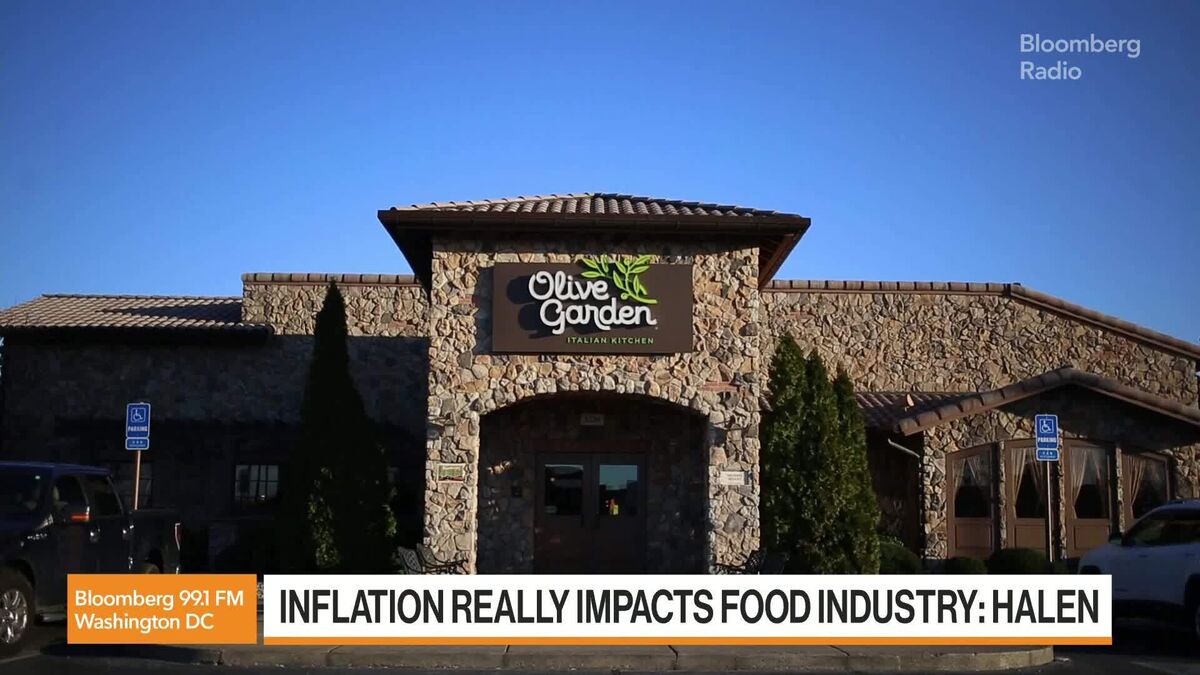
Darden Restaurants posted a cautious profit outlook as Olive Garden same-store sales trailed expectations, raising questions about consumer demand despite earnings beat.
Darden Restaurants Inc. posted a cautious overall profit outlook as same-store sales at Olive Garden trailed expectations, raising questions about consumer demand that overshadowed better-than-expected earnings, according to Bloomberg Markets. Michael Halen, Bloomberg Intelligence Senior Restaurant and Foodservice Analyst, provided analysis of the earnings and the broader food service industry outlook in a video segment published on June 25, 2026.
Key Takeaways
Darden Restaurants posted a cautious overall profit outlook following its latest earnings report
Same-store sales at Olive Garden trailed analyst expectations, raising questions about consumer demand
The company delivered better-than-expected earnings, but the weak sales outlook drew investor attention
Bloomberg Intelligence commentary framed the results within the broader food service industry context
Table of Contents
Earnings and Sales Performance
Analyst Perspective on Demand
Broader Food Service Industry Context
What Investors Should Watch
Earnings and Sales Performance
Darden Restaurants Inc. reported earnings that exceeded analyst expectations, but the company issued a cautious profit outlook for the period ahead. The source confirms that same-store sales at Olive Garden, one of Darden's flagship brands, came in below expectations. The combination of a weak sales outlook and cautious profit guidance drew attention despite the earnings beat, as investors often focus on forward-looking guidance and comparable sales trends when evaluating restaurant operators.
Same-store sales, also known as comparable sales, measure revenue growth at locations open for at least one year. This metric helps investors assess organic demand trends without the influence of new store openings or closures. When same-store sales trail expectations at a major brand like Olive Garden, it can signal softer consumer traffic, lower average check sizes, or competitive pressure.
Analyst Perspective on Demand
Michael Halen, Bloomberg Intelligence Senior Restaurant and Foodservice Analyst, provided commentary on the earnings and the broader food service industry outlook. His role as a senior analyst suggests that the commentary addressed demand trends, competitive dynamics, and the implications of Darden's results for the wider restaurant sector.
Questions about consumer demand are particularly relevant in the restaurant industry, where discretionary spending, wage trends, inflation, and consumer confidence can all influence traffic and spending patterns. The framing suggests that the sales miss at Olive Garden has broader implications for how investors assess consumer health and spending behavior in the casual dining segment.
Broader Food Service Industry Context
Darden Restaurants operates multiple brands, including Olive Garden, LongHorn Steakhouse, and other casual and fine dining concepts. The company's results are often viewed as a bellwether for the broader food service industry, particularly the casual dining segment. When a major operator posts mixed results—such as an earnings beat paired with a weak outlook and disappointing same-store sales—investors and analysts often look for signals about consumer spending trends, competitive pressures, and the health of the restaurant sector as a whole.
For readers following broader market updates , restaurant earnings can offer insights into consumer discretionary spending, labor cost pressures, and the effectiveness of promotional strategies. The source confirms that Bloomberg Intelligence commentary addressed the outlook for the broader food service industry.
What Investors Should Watch
Investors tracking Darden Restaurants and the restaurant sector should monitor several key areas in the coming quarters. First, future same-store sales reports will help clarify whether the Olive Garden sales miss was an isolated event or part of a broader demand trend. Second, management commentary on consumer traffic, average check size, and promotional activity can provide insight into how the company is responding to the cautious outlook.
Third, updates on cost pressures—including labor, food, and occupancy costs—will help investors assess margin trends and profitability. Fourth, broader economic data on consumer spending, wage growth, and inflation will offer context for restaurant industry performance. Fifth, competitor earnings and sales trends will help investors determine whether Darden's challenges are company-specific or sector-wide.
The combination of a cautious outlook and mixed sales performance suggests that demand trends will remain a focal point for investors evaluating Darden and the broader food service industry.
Read original source