policy
ECB May Hike Interest Rates Again in September, Apollo Economist Says
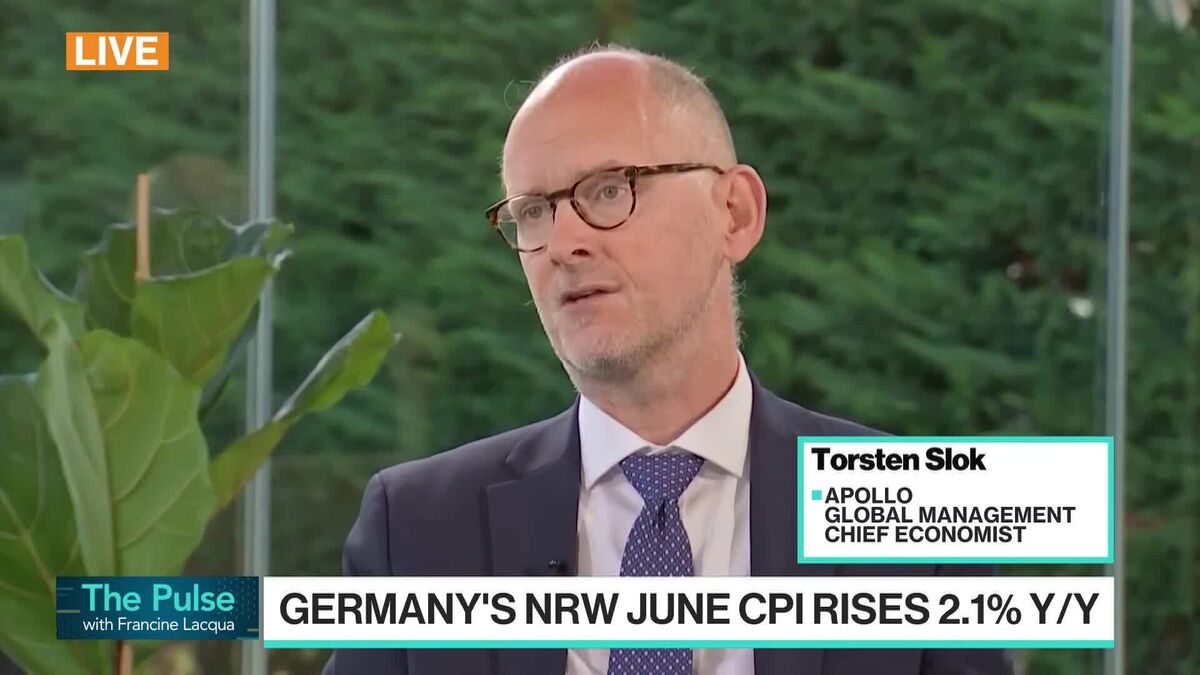
Apollo Global Management chief economist Torsten Slok says the European Central Bank may hike interest rates again in September amid energy-cost concerns.
The European Central Bank may raise interest rates again in September as policymakers assess second-round effects from months of elevated energy costs, according to Torsten Slok, chief economist of Apollo Global Management. Bloomberg Markets reported that Slok made the comments at the ECB Forum on Central Banking in Sintra, Portugal, on June 30, 2026, stating that the ECB faces uncertainty over persistent inflation pressures and that a September rate hike remains the highest likelihood outcome.
Key Takeaways
Apollo Global Management chief economist Torsten Slok said the ECB may hike interest rates again in September 2026
Slok cited uncertainty over second-round effects following months of energy-cost increases as a key concern for ECB policymakers
The comments were made at the ECB Forum on Central Banking in Sintra, Portugal, according to Bloomberg Markets
For investors, central bank rate decisions can influence bond yields, currency markets, and equity valuations across the eurozone
Table of Contents
What the Economist Said
Why Energy Costs Matter for ECB Policy
Market Implications for Investors
What to Watch Next
What the Economist Said
Torsten Slok told Bloomberg Television that the European Central Bank will probably still consider hiking rates in September, and that he believes a September rate increase is the most likely outcome. According to Bloomberg Markets, Slok emphasized that the ECB faces uncertainty over second-round effects following months of energy-cost increases. The comments were made during an interview with Bloomberg's Francine Lacqua at the ECB Forum on Central Banking in Sintra, Portugal, on June 30, 2026.
Slok serves as chief economist of Apollo Global Management, a global alternative investment manager. His view reflects ongoing debate among market participants and economists about the path of European monetary policy as central bankers balance inflation risks against economic growth concerns. The source does not provide additional detail on Slok's reasoning, the specific energy-cost data he referenced, or whether he discussed alternative scenarios.
Why Energy Costs Matter for ECB Policy
Energy-cost increases can create second-round effects when higher input prices lead businesses to raise wages or consumer prices more broadly, embedding inflation pressures into the economy beyond the initial shock. For central banks, distinguishing between temporary price spikes and persistent inflation trends is a key challenge when setting interest rate policy. Bloomberg Markets confirms that Slok identified this uncertainty as a factor in the ECB's policy outlook.
In general market context, central banks often respond to sustained inflation by raising interest rates to cool demand and anchor inflation expectations. However, rate hikes also carry risks, including slower economic growth, higher borrowing costs for businesses and consumers, and potential stress in financial markets. The source does not specify which energy markets or time periods Slok referenced, nor does it describe the ECB's current policy stance or recent rate decisions.
Market Implications for Investors
For investors, central bank interest rate decisions can influence a wide range of asset classes. Higher interest rates typically increase bond yields, strengthen the currency, and may pressure equity valuations, particularly for growth-oriented stocks that are sensitive to discount rates. Conversely, rate hikes can also signal central bank confidence in economic resilience and commitment to price stability, which some investors view as supportive for long-term market stability.
The source does not include market reaction data, bond yield levels, euro exchange rate movements, or equity index performance following Slok's comments. For readers following broader market updates , central bank policy expectations are a key driver of cross-asset volatility and positioning. Investors often monitor central bank speeches, economic data releases, and policy meeting minutes to assess the likelihood and timing of future rate changes.
What to Watch Next
Market participants may watch for additional commentary from ECB officials, economic data releases from the eurozone, and any formal policy statements from the European Central Bank in the weeks leading up to the September policy meeting. The source does not provide the date of the next ECB policy decision, the current ECB policy rate, or details on the central bank's forward guidance.
Investors may also monitor energy market developments, inflation data, wage growth trends, and business survey indicators to assess whether second-round effects are materializing as Slok described. The source does not specify which energy markets or inflation measures are most relevant to the ECB's policy deliberations. Further disclosures from Apollo Global Management or additional interviews with Slok could provide more detail on the economist's outlook and the assumptions underlying his September rate hike forecast.
Read original source