policy
ECB's Nagel Stays Open-Minded on Next Two Rate Meetings
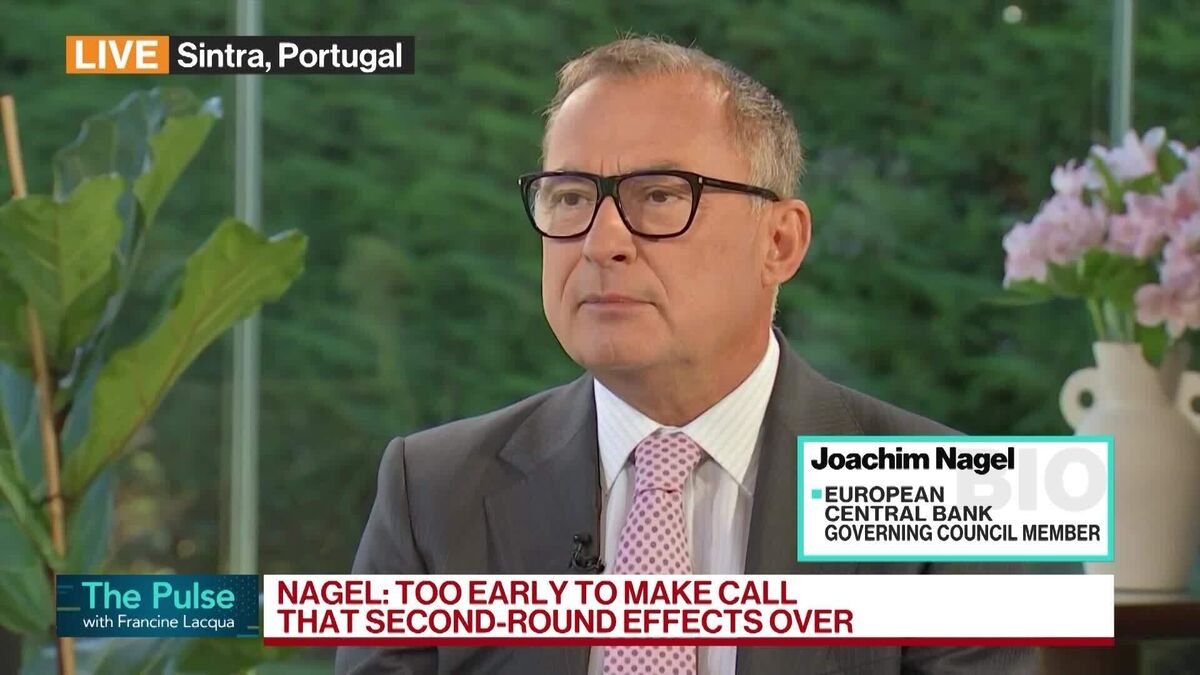
ECB Governing Council member Joachim Nagel says he's keeping an open mind on interest rate action at the next two meetings amid geopolitical uncertainty.
European Central Bank Governing Council member Joachim Nagel says he's keeping an open mind on what action is needed at the next two interest rate meetings, citing geopolitical uncertainty as a key factor. According to Bloomberg Markets, Nagel made the comments at the ECB Forum on Central Banking in Sintra, Portugal, telling Bloomberg's Francine Lacqua that the ECB will need to wait before committing to a specific policy path.
Key takeaways
ECB Governing Council member Joachim Nagel says he's staying open-minded on interest rate action for the next two meetings
Nagel cited geopolitical uncertainty as a key factor requiring the ECB to wait
The comments were made at the ECB Forum on Central Banking in Sintra, Portugal
The statement signals a cautious, data-dependent approach to upcoming policy decisions
Table of Contents
Nagel's Comments at Sintra Forum
Geopolitical Uncertainty and Central Bank Policy
ECB Policy Context
What to Watch
Frequently Asked Questions
Nagel's Comments at Sintra Forum
Joachim Nagel, a member of the European Central Bank Governing Council, told Bloomberg that he is staying open-minded about what action is needed at the ECB's next two interest rate meetings. Speaking at the ECB Forum on Central Banking in Sintra, Portugal, Nagel emphasized that the geopolitical situation remains uncertain. "We have to wait," Nagel said, signaling that policymakers are not yet ready to commit to a specific course of action.
The comments reflect the ECB's ongoing effort to balance inflation control with economic growth concerns in an environment marked by external risks. Nagel's remarks suggest that the Governing Council is closely monitoring both economic indicators and geopolitical developments as it evaluates the appropriate timing of future rate changes.
Geopolitical Uncertainty and Central Bank Policy
Geopolitical uncertainty can complicate central bank decision-making by introducing volatility into energy markets, supply chains, trade flows, and financial conditions. For the ECB, external shocks can affect inflation dynamics, economic growth, and financial stability across the eurozone, making it harder to predict the appropriate path for interest rates.
When geopolitical risks are elevated, central banks often adopt a more cautious stance, waiting for clearer signals before committing to rate adjustments that could prove premature if conditions change rapidly. Nagel's emphasis on staying open-minded suggests that the ECB is weighing the risk of moving too quickly against the risk of waiting too long.
For readers following broader market updates , this development can help frame the wider context of central bank policy deliberations.
ECB Policy Context
The European Central Bank has been managing a complex policy environment as it seeks to bring inflation down toward its target while supporting economic growth across the eurozone. The ECB's Governing Council meets regularly to assess economic conditions and adjust interest rates as needed. The next two meetings referenced by Nagel would be scheduled for July and September, based on the ECB's typical meeting calendar.
Central bank communication plays an important role in shaping market expectations. When policymakers signal flexibility, as Nagel did, it can reduce the likelihood of market surprises while also leaving room for the central bank to respond to changing conditions. The ECB's emphasis on data dependence and geopolitical awareness suggests that future rate decisions will be influenced by a range of factors.
What to Watch
Market readers tracking ECB policy may find it useful to monitor several key developments in the coming weeks. Official ECB communications, including speeches by Governing Council members and the release of meeting minutes, can provide additional insight into the central bank's thinking on inflation, growth, and external risks.
Economic data releases for the eurozone, such as inflation reports, GDP growth figures, and labor market updates, will likely influence the ECB's assessment of appropriate policy action. Geopolitical developments that could affect energy prices, trade flows, or financial conditions may also shape the ECB's risk assessment and policy timeline.
The ECB Forum on Central Banking in Sintra often serves as a venue for central bank officials to share their views on policy challenges, and additional comments from other Governing Council members at the forum may provide further context on the range of opinions within the ECB.
Frequently Asked Questions
What did ECB's Nagel say about interest rates?
Joachim Nagel said he's keeping an open mind on what action is needed at the next two ECB interest rate meetings, citing geopolitical uncertainty as a reason to wait before committing to a specific policy path.
Where did Nagel make these comments?
Nagel made the comments at the ECB Forum on Central Banking in Sintra, Portugal, in an interview with Bloomberg's Francine Lacqua.
Why is geopolitical uncertainty important for ECB policy?
Geopolitical uncertainty can affect inflation dynamics, economic growth, and financial stability across the eurozone by introducing volatility into energy markets, supply chains, and trade flows, making it harder for the ECB to predict the appropriate path for interest rates.
When are the next two ECB meetings?
Based on the ECB's typical meeting calendar, the next two meetings referenced by Nagel would be scheduled for July and September 2026.
Read original source