policy
ECB Rate Hike Case Weakens as Wunsch Signals Policy Shift
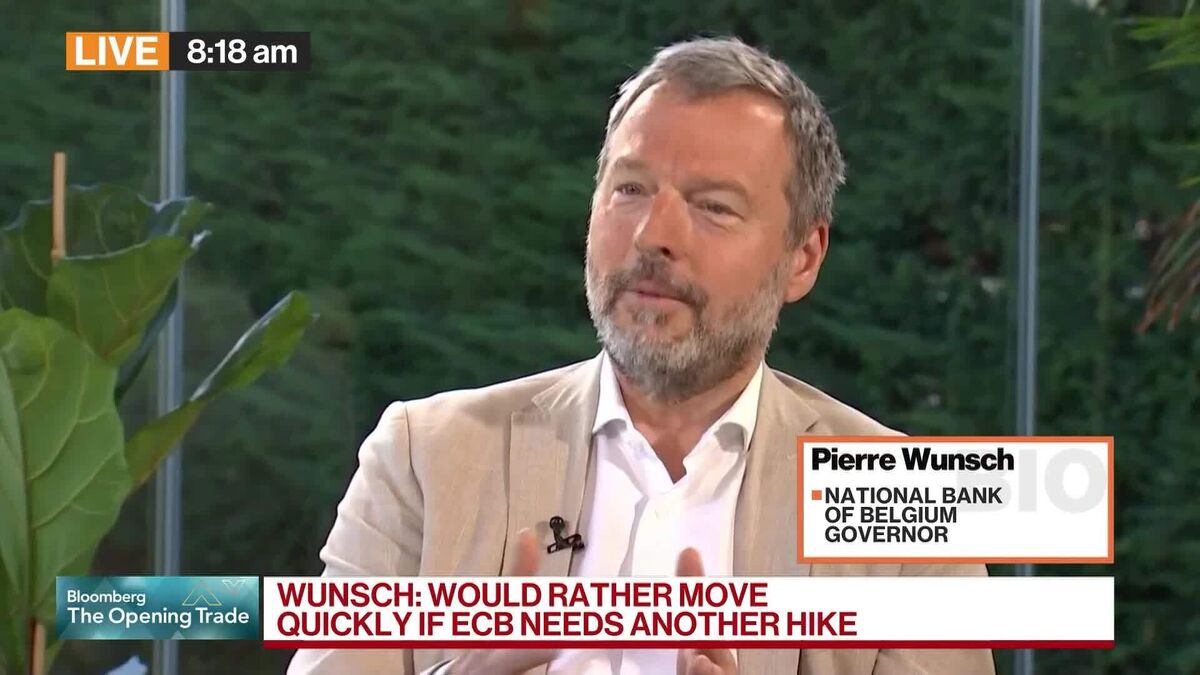
ECB Governing Council member Pierre Wunsch says the case for another rate hike has weakened since June, signaling a potential shift in policy outlook.
European Central Bank Governing Council member Pierre Wunsch indicated that the case for another interest-rate hike has weakened since the central bank's June meeting, according to Bloomberg Markets. Speaking at the ECB Forum on Central Banking in Sintra, Portugal, Wunsch told Bloomberg's Francine Lacqua that while markets continue to price in a potential ECB rate hike, the urgency has diminished compared to the outlook following the June policy decision.
Key Takeaways
ECB Governing Council member Pierre Wunsch says the case for another rate hike is not as strong as it was after the June meeting
Wunsch acknowledged that markets are pricing in another hike but noted the policy outlook has shifted
The comments were made at the ECB Forum on Central Banking in Sintra, Portugal, in an interview with Bloomberg
For market readers, central bank policy signals can influence rate expectations, bond yields, currency positioning, and equity valuations across European markets
Table of Contents
Policy Signal from ECB Governing Council
What Changed Since June
Market Pricing and Investor Implications
What to Watch Next
Policy Signal from ECB Governing Council
Pierre Wunsch, who serves on the European Central Bank's Governing Council, stated that the rationale for an additional interest-rate increase has become less compelling since the central bank's June meeting. According to Bloomberg Markets, Wunsch made the remarks during an interview at the ECB Forum on Central Banking in Sintra, Portugal. The forum serves as a key venue for central bank officials to discuss monetary policy, economic conditions, and financial stability.
Wunsch acknowledged that financial markets continue to price in the possibility of another rate hike, reflecting investor expectations that the ECB may tighten policy further. However, he emphasized that the strength of the case for such a move has diminished compared to the outlook that prevailed immediately after the June policy meeting. The comments suggest that incoming economic data, inflation readings, or financial conditions may have shifted the policy calculus for at least some members of the Governing Council.
What Changed Since June
For readers following broader market updates , changes in central bank policy outlooks can influence expectations for borrowing costs, currency movements, and asset valuations across European markets.
Wunsch's remarks indicate that the policy debate within the ECB may be evolving as new information becomes available. While the June meeting may have signaled a more hawkish stance, the weakening case for another hike suggests that some Governing Council members may be reassessing the balance of risks between inflation control and economic growth. The source does not provide details on whether Wunsch's view is shared by other council members or whether it reflects a broader shift in consensus.
Market Pricing and Investor Implications
Wunsch noted that financial markets continue to price in another rate hike, indicating that investors have not yet fully adjusted their expectations to match the more cautious tone expressed by some policymakers. Market pricing for central bank policy is typically reflected in interest rate futures, government bond yields, and currency exchange rates. When central bank officials signal a potential shift in policy direction, traders and investors often reassess their positions in rate-sensitive assets.
For investors, central bank policy signals matter because they influence the cost of capital, the attractiveness of fixed-income securities, and the relative valuation of equities. A more dovish policy outlook—one that suggests fewer or smaller rate hikes—can support risk assets by reducing borrowing costs and improving liquidity conditions. Conversely, a hawkish stance can weigh on equities and credit markets while supporting the currency. The gap between market pricing and policymaker commentary can create opportunities or risks depending on how expectations adjust over time.
The source does not provide specific details on how European bond yields, the euro, or equity indices reacted to Wunsch's comments. However, central bank communication is closely monitored by market participants, and any perceived shift in policy direction can trigger adjustments in positioning. Readers should note that Wunsch's view represents one member of the Governing Council, and the final policy decision will depend on the collective assessment of all voting members.
What to Watch Next
Market readers should monitor upcoming ECB policy meetings, official statements, and economic data releases to assess whether the weakening case for another rate hike reflects a broader shift in the Governing Council's outlook. Key data points include eurozone inflation reports, employment figures, wage growth trends, and credit conditions. Any updates from other Governing Council members, including ECB President Christine Lagarde, will provide additional context on the policy debate.
Investors should also watch for changes in market pricing for ECB policy, including movements in interest rate futures, government bond yields, and the euro. If market expectations adjust to reflect a lower probability of further rate hikes, that shift could influence asset allocation decisions across European equities, fixed income, and currency markets. The source does not specify the timing of the next ECB policy meeting or the release schedule for key economic data, so readers should consult official ECB communications and economic calendars for precise dates.
For readers tracking central bank policy globally, the ECB's policy trajectory can also influence expectations for other major central banks, including the Federal Reserve and the Bank of England. Divergences in policy direction can affect cross-border capital flows, currency valuations, and relative asset performance. As always, central bank policy decisions carry uncertainty, and market participants should be prepared for adjustments as new information becomes available.
Read original source