market
EU Entry/Exit System Prompts Holiday Delay Warnings for UK Travelers
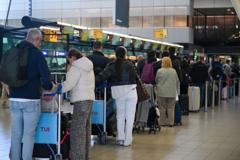
The EU's Entry/Exit System will change how UK passengers travel to 29 countries, prompting holiday delay warnings as the system prepares to launch.
According to BBC Business, the European Union's Entry/Exit System is prompting holiday delay warnings as the long-postponed border control measure prepares to change how United Kingdom passengers travel to 29 countries. The system, which has experienced multiple delays, represents a significant shift in border processing procedures for travelers entering the European Union from the UK.
Key takeaways
The EU's Entry/Exit System will affect UK passenger travel to 29 countries across the European Union
Authorities have issued holiday delay warnings in connection with the new border system implementation
The system has been subject to multiple delays before its anticipated rollout
Border processing procedures will change for UK travelers entering EU member states
Table of Contents
What happened
Why it matters
What to watch next
What happened
BBC Business reports that the EU's Entry/Exit System, described as "much-delayed," will alter the way UK passengers travel to 29 countries. The system represents a new border control framework that has been postponed multiple times before its current implementation timeline. Authorities have issued warnings about potential holiday delays as the system prepares to launch, signaling operational changes at border crossings between the United Kingdom and European Union member states.
The Entry/Exit System applies to travel from the UK to 29 countries within the European Union framework. While the source does not specify the exact launch date, implementation timeline, or technical details of how the system will operate, the warnings indicate that border processing procedures will differ from current arrangements. The system's repeated delays suggest technical, logistical, or political complexities in its deployment across multiple national borders.
Why it matters
Border control systems directly affect travel costs, journey times, and operational planning for airlines, ferry operators, coach services, and tourism businesses. When border processing times increase, travelers face longer queues, tighter connection windows, and higher risk of missed departures. For businesses operating cross-border services, predictable processing times are essential for scheduling, staffing, and customer service commitments. Any system that changes these variables can affect revenue, customer satisfaction, and competitive positioning.
The European Union and United Kingdom maintain significant travel flows for business, tourism, and family visits despite the UK's departure from the EU. Border friction affects not only individual travelers but also freight logistics, supply chain timing, and economic integration. Entry and exit systems typically involve biometric data collection, passport scanning, and database checks that add processing time compared to simpler visual inspections. The scale of implementation across 29 countries suggests coordination challenges, as each border crossing must deploy compatible technology, train staff, and manage peak-period capacity.
What to watch next
Travelers planning trips to EU countries from the UK should monitor official guidance from border authorities, airlines, and ferry operators regarding processing time estimates and recommended arrival windows. The actual impact of the Entry/Exit System will become clear only after implementation, when real-world processing speeds, queue lengths, and system reliability can be measured. Early adopters of new border systems often experience technical glitches, staff training gaps, and capacity bottlenecks that smooth out over subsequent months.
Businesses with cross-border operations should assess whether the new system affects their scheduling, customer communications, or contingency planning. Investors tracking travel, tourism, and transport sectors may watch for operational updates from airlines, ferry companies, and airport operators serving UK-EU routes. The system's performance during peak travel periods will indicate whether delay warnings were precautionary or indicative of structural capacity issues. Any further postponements would signal unresolved technical or political obstacles to full deployment.
Read original source