market
EU Orders Airbus A380 Wing Inspections for Possible Cracks
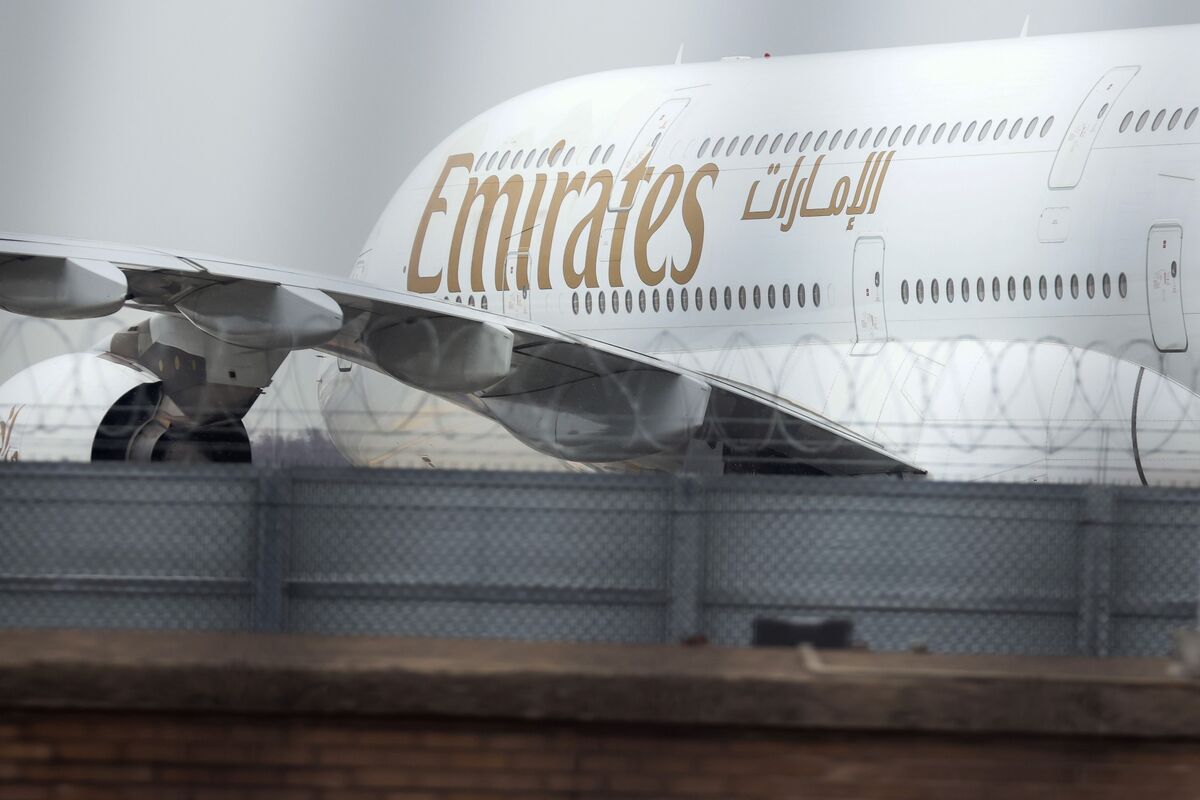
European Union Aviation Safety Agency orders special inspections of Airbus A380 wings after identifying possible structural cracks in some aircraft.
The European Union Aviation Safety Agency has directed certain operators of Airbus SE A380 aircraft to conduct additional special inspections on wing structures following the identification of possible cracks, according to Bloomberg Markets. The directive affects some operators of the double-decker wide-body jet, which remains the world's largest passenger airliner. The regulatory action underscores the critical role of structural integrity monitoring in commercial aviation safety.
Key takeaways
The European Union Aviation Safety Agency has ordered additional special inspections for Airbus A380 wings after identifying possible cracks in the structure
The directive affects some operators of the Airbus SE A380 aircraft, though the specific number of affected operators and aircraft was not disclosed
Aircraft structural inspections typically focus on high-stress areas where metal fatigue and cracking can develop over operational cycles
Aviation safety agencies routinely issue airworthiness directives when potential structural issues are identified during fleet monitoring
Table of Contents
What happened
Why it matters
What to watch next
What happened
The European Union Aviation Safety Agency issued a directive requiring some Airbus A380 operators to perform additional special inspections on aircraft wings after the agency identified possible cracks in the wing structure. The announcement was made on June 24, 2026, according to Bloomberg Markets. The directive applies to certain operators of the Airbus SE A380, the double-decker wide-body aircraft that entered commercial service in 2007 and became known as the world's largest passenger airliner.
Aviation safety regulators routinely monitor fleet performance and issue inspection requirements when potential safety concerns emerge from operational data, maintenance reports, or manufacturer testing. The regulatory action follows the agency's identification of potential structural issues in the wing assembly. Structural monitoring remains a standard part of maintaining large commercial aircraft as they accumulate flight hours and pressurization cycles over their operational lifetime.
Why it matters
Wing structural integrity is fundamental to aircraft safety, as wings bear the primary aerodynamic loads during flight and must withstand repeated stress cycles over thousands of flights. Metal fatigue and crack development in wing structures represent serious safety concerns that aviation regulators address through mandatory inspection programs. When cracks are identified in critical structural components, operators must inspect affected aircraft to determine the extent of the issue and implement repairs or modifications as required by airworthiness directives.
The Airbus A380 represents a significant capital investment for airlines that operate the type. Inspection requirements can affect aircraft availability and operational costs, as planes may need to be temporarily removed from service for detailed examinations. For Airbus SE, the manufacturer, inspection directives can influence customer confidence and may require engineering support to operators conducting the inspections. The aviation industry operates under strict safety oversight, and structural inspection requirements are a normal part of fleet management, particularly as aircraft age and accumulate operational cycles.
What to watch next
Operators affected by the European Union Aviation Safety Agency directive will need to comply with the inspection requirements within timeframes specified by the regulator. The results of these inspections will determine whether additional maintenance actions, repairs, or modifications are necessary. Aviation safety agencies typically publish detailed airworthiness directives that specify inspection procedures, compliance deadlines, and reporting requirements.
Market observers will monitor whether other aviation regulators, such as the United States Federal Aviation Administration, issue similar inspection requirements for A380 operators under their jurisdiction. The scope and findings of the inspection program may influence operational planning for airlines that continue to operate the A380 in their fleets. Airbus SE may provide technical guidance or support materials to operators conducting the inspections, and the company's response to the regulatory directive could affect investor and customer perceptions of the A380 program's maintenance requirements.
Read original source