market
European Natural Gas Rises on Strait of Hormuz Attack Concerns
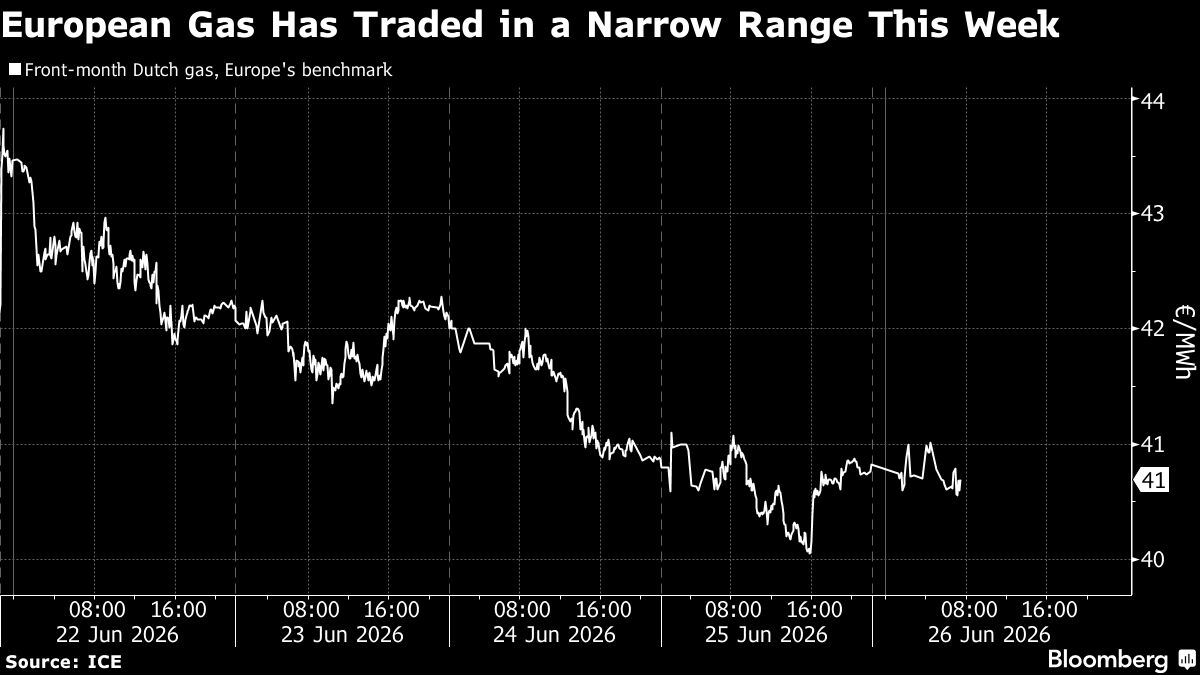
European natural gas prices edged higher after a cargo ship attack in the Strait of Hormuz raised supply route concerns for energy traders.
European natural gas prices inched higher following an attack on a cargo ship in the Strait of Hormuz, according to Bloomberg Markets. The incident renewed concerns about safe passage through the waterway, which serves as a critical route for global energy shipments. Traders monitored the development as geopolitical risks in the region can influence supply expectations and market sentiment for natural gas and other energy commodities.
Key takeaways
European natural gas prices moved higher after a cargo ship attack in the Strait of Hormuz, according to Bloomberg Markets.
The incident raised concerns about safe passage through the waterway, which is a critical route for global energy shipments.
Geopolitical risks in key shipping lanes can influence energy market sentiment and supply expectations.
Traders may watch for further developments in the region and any impact on energy supply routes.
Table of Contents
Market Move
Why the Strait of Hormuz Matters
What Traders Are Watching
Market Move
European natural gas prices edged higher following the reported attack on a cargo ship in the Strait of Hormuz, according to Bloomberg Markets. The source context does not specify the magnitude of the price increase, the exact timing of the move, or which European natural gas benchmark was referenced. The price reaction reflected renewed attention to geopolitical risks in a region that serves as a key transit point for global energy supplies.
The available source context does not identify the parties involved in the attack, the type of cargo ship targeted, or whether the vessel was carrying energy-related cargo. The incident occurred in the Strait of Hormuz, a narrow waterway that connects the Persian Gulf to the Gulf of Oman and serves as a critical route for oil and liquefied natural gas shipments. For readers following broader market updates , geopolitical developments in key shipping lanes can influence energy market sentiment and supply expectations.
Why the Strait of Hormuz Matters
The Strait of Hormuz is one of the world's most important energy chokepoints, with a significant portion of global oil and liquefied natural gas shipments passing through the waterway. Disruptions or perceived risks to safe passage can lead to supply concerns, even when physical flows remain unaffected. For energy traders, incidents in the region often prompt reassessment of supply route security, insurance costs, and the potential for supply delays or diversions.
European natural gas markets can be sensitive to geopolitical risks that affect global energy supply chains, particularly when those risks involve key transit routes or production regions. While the source context does not specify whether the attack directly affected natural gas shipments or European supply, the price reaction suggests that traders viewed the incident as a reminder of the region's strategic importance. In general market context, energy prices can respond to both actual supply disruptions and perceived risks that may influence future supply expectations.
What Traders Are Watching
Market readers may watch for further details about the incident, including any official statements from regional authorities, shipping companies, or energy market participants. The source context does not specify whether the attack led to any changes in shipping routes, insurance premiums, or physical energy flows. Traders often monitor geopolitical developments in the Strait of Hormuz for signs of escalation, de-escalation, or any impact on the volume of energy shipments passing through the waterway.
Additional factors that may influence European natural gas prices include weather forecasts, storage levels, pipeline flows, liquefied natural gas import volumes, and broader energy market dynamics. The available source context does not provide details on these factors or their current status. For investors and energy market participants, geopolitical risks in key shipping lanes remain a recurring consideration, particularly when incidents occur in regions that handle a large share of global energy transit. Future disclosures from energy companies, shipping firms, or regional authorities could provide additional context on the incident and any operational impact.
Read original source