crypto
Fed Chair Warsh Hawkish Tone Awaited as Yen Hits 40-Year Low
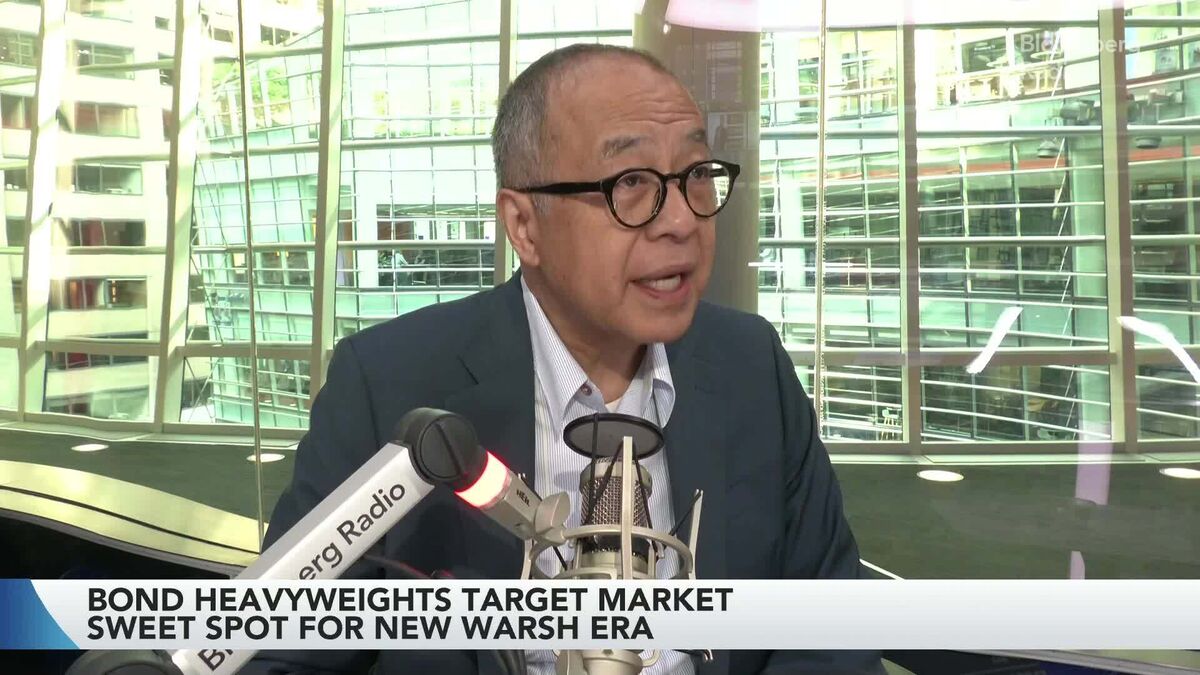
Fed Chair Kevin Warsh's hawkish tone at Sintra may trigger further yen selloff after currency hit four-decade low, says Bank of Nassau economist Win Thin.
Federal Reserve Chair Kevin Warsh's expected hawkish tone at the Sintra policymaker forum may trigger the next phase of the yen selloff after the Japanese currency fell to a four-decade low, according to Win Thin, Chief Economist at Bank of Nassau, in a Bloomberg Markets video interview published June 30, 2026. Thin stated that circumstances do not call for rate hikes right now, offering a contrasting view on monetary policy as currency markets watch for signals from Fed Chair Warsh.
Key Takeaways
The yen fell to a four-decade low, becoming the primary focus in currency markets as of June 30, 2026, according to Bloomberg Markets.
Win Thin, Chief Economist at Bank of Nassau, stated that current circumstances do not call for rate hikes, according to the source.
Currency market participants are watching whether Fed Chair Kevin Warsh maintains a hawkish tone at the Sintra policymaker forum, which could serve as the next trigger for yen weakness.
Thin discussed both the yen outlook and his broader view on interest rates under Fed Chair Warsh, according to the source.
Table of Contents
Yen Weakness and Currency Market Focus
Fed Chair Warsh and Sintra Forum Expectations
Win Thin's Rate Outlook
What Currency Traders Should Watch Next
Yen Weakness and Currency Market Focus
The Japanese yen's descent to a four-decade low has become the dominant story in currency markets, according to Bloomberg Markets. The yen's weakness reflects a combination of factors that currency traders monitor closely, including interest rate differentials between major economies, central bank policy divergence, and risk sentiment across global markets.
When a currency reaches multi-decade lows, it often signals sustained pressure from structural factors rather than short-term volatility. For currency market participants, the yen's decline to levels not seen in 40 years raises questions about intervention thresholds, policy responses from the Bank of Japan, and the sustainability of carry trade strategies that benefit from wide interest rate differentials.
The source context confirms that this yen weakness is the talk of currency markets, indicating broad attention from professional traders, institutional investors, and policymakers. Currency moves of this magnitude can influence trade flows, corporate earnings for multinational companies, and portfolio allocation decisions for global investors.
Fed Chair Warsh and Sintra Forum Expectations
The next potential catalyst for further yen weakness may be whether Fed Chair Kevin Warsh maintains his hawkish tone at the Sintra policymaker forum, according to the source. Central bank communication at international forums such as Sintra often provides market participants with updated guidance on monetary policy direction, inflation concerns, and economic growth assessments.
A hawkish tone typically signals a preference for tighter monetary policy, higher interest rates, or a slower pace of rate cuts, which can strengthen the dollar and put additional pressure on currencies such as the yen. Market participants often parse central bank speeches for subtle shifts in language, emphasis on inflation risks versus growth risks, and any indication of future policy moves.
The source context indicates that currency markets are specifically watching for whether Fed Chair Warsh continues his hawkish messaging, suggesting that recent communication has leaned toward a tighter policy stance. For readers following broader market updates , central bank communication remains a key driver of currency volatility and cross-asset market moves.
Win Thin's Rate Outlook
Win Thin, Chief Economist at Bank of Nassau, stated in the Bloomberg Markets interview that circumstances do not call for rate hikes right now. This view contrasts with the hawkish tone that currency markets are anticipating from Fed Chair Warsh at Sintra. Thin's assessment suggests that current economic conditions, inflation trends, or growth dynamics may not warrant additional monetary tightening, even as some policymakers signal a preference for maintaining restrictive policy.
Economists and market strategists often differ in their assessments of when rate hikes are appropriate, reflecting varying interpretations of inflation persistence, labor market strength, financial stability risks, and the lagged effects of prior rate increases. Thin's commentary provides a counterpoint to hawkish expectations, which can be useful for investors evaluating the range of possible policy outcomes.
The source context confirms that Thin discussed both the yen and his outlook on rates under Fed Chair Warsh, indicating that his analysis covers both currency market dynamics and broader monetary policy considerations.
What Currency Traders Should Watch Next
Currency market participants should monitor Fed Chair Kevin Warsh's remarks at the Sintra policymaker forum for any confirmation or shift in hawkish messaging, as this could serve as the next trigger for yen movement, according to the source. Additional factors to watch include any official statements from the Bank of Japan regarding intervention policy, updated economic data releases that could influence central bank policy expectations, and broader risk sentiment indicators that affect safe-haven currency flows.
For investors, the interplay between Federal Reserve policy signals and yen weakness can influence portfolio positioning across equities, bonds, commodities, and currency markets. Wide interest rate differentials between the United States and Japan have historically supported carry trade strategies, but extreme currency moves can also trigger volatility and position unwinding.
Readers should watch for future central bank communication, currency intervention reports, and any changes in market expectations for the path of interest rates in major economies. The source context provides a snapshot of market focus as of June 30, 2026, but currency markets remain sensitive to new information and policy signals.
Read original source