crypto
Fed Chief Warsh Warns Against Expecting Rate Guidance for July
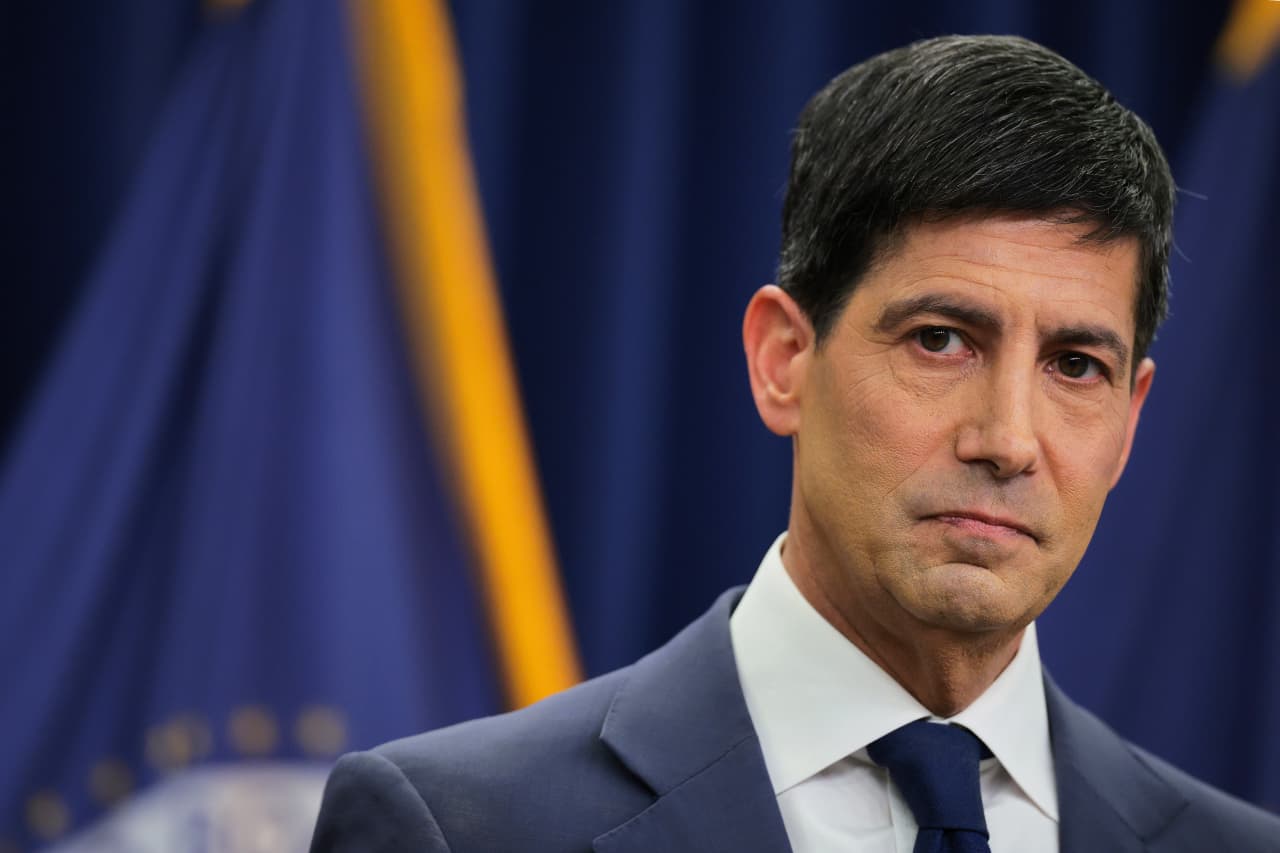
Federal Reserve chief Kevin Warsh gave no hint on July rate moves and repeated his opposition to forward guidance that alerts investors to future Fed actions.
New Federal Reserve chief Kevin Warsh gave no hint as to whether the central bank would raise interest rates in July and repeated his dislike of forward guidance that alerts investors to future Fed actions, according to MarketWatch. The comments underscore Warsh's communication approach as market participants seek clarity on the Fed's monetary policy path.
Key Takeaways
Federal Reserve chief Kevin Warsh provided no indication on whether the central bank would raise rates in July, according to MarketWatch.
Warsh repeated his dislike of forward guidance, a communication tool used to signal future policy moves to investors.
The absence of rate hints reflects Warsh's preference for preserving policy flexibility rather than committing to a specific path.
Market readers may watch future Fed statements, economic data releases, and any additional comments from Warsh or other policymakers for further context.
Table of Contents
What Happened
Why Forward Guidance Matters
What to Watch Next
What Happened
Federal Reserve chief Kevin Warsh offered no indication on whether the central bank would raise interest rates in July, according to MarketWatch. The source confirms that Warsh repeated his opposition to forward guidance, a communication strategy that some central banks use to signal future policy intentions to financial markets. The comments were reported without additional detail on the venue, audience, or specific economic conditions discussed.
The source does not provide information on current interest rate levels, recent Fed policy actions, inflation data, employment figures, or market expectations for the July meeting. Without those details, the article focuses on the confirmed communication stance and its general implications for investors who follow Federal Reserve policy.
Why Forward Guidance Matters
Forward guidance is a monetary policy communication tool that central banks use to shape market expectations about future interest rate moves, asset purchases, or other policy actions. When a central bank signals its likely path, investors can adjust portfolio positioning, borrowing costs may shift, and financial conditions can change even before formal policy decisions are announced. Some policymakers favor forward guidance because it can reduce uncertainty and support economic stability.
However, forward guidance also carries risks. Committing to a specific policy path can limit a central bank's flexibility if economic conditions change unexpectedly. Market participants may interpret guidance differently than intended, leading to volatility or misaligned expectations. Warsh's stated dislike of forward guidance suggests a preference for preserving policy optionality and avoiding commitments that could constrain future decisions. For readers following broader market updates , central bank communication style can influence how investors interpret economic data, position for rate changes, and manage interest rate risk.
What to Watch Next
Market readers may monitor future Federal Reserve statements, press conferences, and speeches from Warsh and other policymakers for any shifts in communication approach or policy signals. Economic data releases such as inflation reports, employment figures, and GDP growth can provide context for the Fed's policy deliberations, even if explicit forward guidance is not provided. Minutes from Federal Open Market Committee meetings may offer additional insight into the range of views among policymakers.
Investors who follow interest rate markets may also watch Treasury yields, interest rate futures, and market-implied rate expectations for signs of how participants are interpreting the Fed's stance. The absence of explicit rate hints does not eliminate the possibility of a July rate move, but it does place greater weight on incoming data and the Fed's assessment of economic conditions at the time of the decision. Further disclosures from the Federal Reserve would be needed to clarify the specific factors that will guide the July policy decision.
Read original source