tech
Fed's Kashkari Says Cooled Labor Market Not Driving Inflation
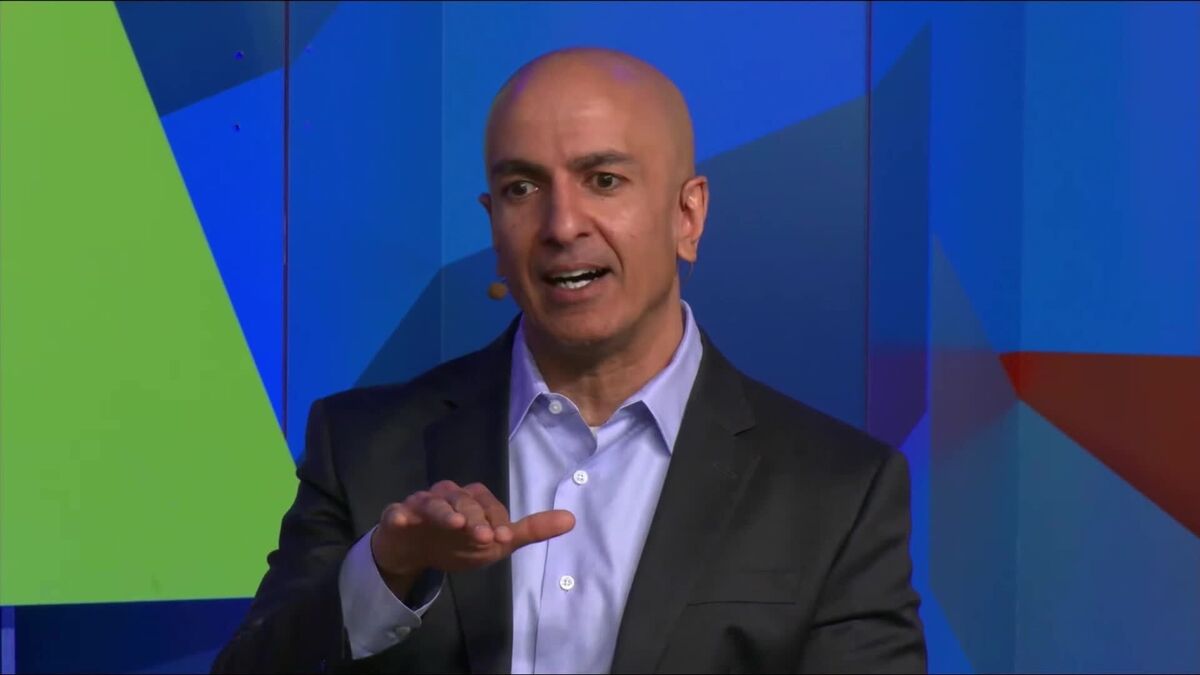
Federal Reserve Bank of Minneapolis President Neel Kashkari said inflation is driven by supply dynamics, not the cooled US labor market, in remarks at Aspen.
Federal Reserve Bank of Minneapolis President Neel Kashkari said inflation is being driven by supply dynamics and not the US labor market, according to Bloomberg Markets. Kashkari made the remarks on June 26, 2026, at the Aspen Ideas Festival in Aspen, Colorado, describing the US labor market as "cooled" and emphasizing that labor conditions are not the primary force behind current inflation pressures.
Key takeaways
Neel Kashkari stated that inflation is driven by supply dynamics, not the US labor market
Kashkari described the US labor market as "cooled" in his remarks at the Aspen Ideas Festival
The comments provide insight into how at least one Fed official views the relationship between labor conditions and inflation
Investors and market readers may watch for additional Fed commentary on inflation drivers and labor market assessments
Table of Contents
What Kashkari Said
Why the Labor-Inflation Distinction Matters
Fed Policy Context
What to Watch Next
What Kashkari Said
Neel Kashkari, President of the Federal Reserve Bank of Minneapolis, told attendees at the Aspen Ideas Festival that inflation is being driven by supply dynamics rather than the US labor market. The remarks were delivered on June 26, 2026, in Aspen, Colorado, and reported by Bloomberg Markets.
Kashkari characterized the US labor market as "cooled," indicating that labor conditions have moderated from previous levels. The source context does not specify which supply dynamics Kashkari referenced, nor does it detail the specific labor market indicators he cited to support his assessment.
The distinction between supply-driven inflation and labor-driven inflation can matter for monetary policy, as central banks often adjust interest rates in response to different inflation sources. By stating that the labor market is not driving inflation, Kashkari signaled that labor tightness may not be a primary concern for inflation control at this time.
Why the Labor-Inflation Distinction Matters
For investors and market readers, the relationship between labor market conditions and inflation is a key input for understanding Federal Reserve policy decisions. When labor markets are tight and wage growth accelerates, central banks may raise interest rates to prevent demand-driven inflation. Conversely, when inflation is driven by supply constraints such as production bottlenecks, energy costs, or global trade disruptions, the appropriate policy response may differ.
Kashkari's characterization of the labor market as "cooled" suggests that labor tightness is not currently exerting upward pressure on prices, which could influence the Fed's assessment of inflation risks and the need for further rate adjustments. The source context does not specify which labor market metrics Kashkari used to reach his conclusion, such as unemployment rates, job openings, wage growth, or labor force participation.
For readers following broader market updates , this development can help frame the wider news context around Fed policy and inflation analysis.
Fed Policy Context
Federal Reserve officials often provide individual perspectives on economic conditions and policy at public events, conferences, and speeches. These remarks can offer insight into the range of views within the Federal Open Market Committee, which sets US monetary policy. However, individual Fed officials do not set policy independently, and their public comments may not reflect the consensus view of the full committee.
Kashkari's remarks at the Aspen Ideas Festival represent his assessment of inflation drivers and labor market conditions, but the source context does not indicate whether other Fed officials share his view or how his perspective aligns with the Fed's official economic projections.
The Federal Reserve's dual mandate includes promoting maximum employment and stable prices. When assessing inflation, Fed officials typically consider a range of factors including labor market tightness, wage growth, consumer demand, supply chain conditions, energy prices, and global economic developments. Kashkari's emphasis on supply dynamics suggests that he views supply-side factors as more significant than labor-side factors in the current inflation environment.
What to Watch Next
Market readers and investors may watch for additional Federal Reserve commentary on inflation drivers, labor market assessments, and monetary policy in the coming weeks. Future Fed speeches, meeting minutes, and economic projections could provide further detail on how Fed officials view the balance between supply-driven and demand-driven inflation.
Labor market data releases, including monthly employment reports, wage growth figures, and job openings data, will offer updated evidence on labor conditions and their potential influence on inflation. Supply-side indicators such as producer price data, commodity prices, and supply chain metrics may also help clarify the extent to which supply dynamics continue to drive inflation.
The source context does not specify whether Kashkari discussed the Fed's policy outlook, interest rate expectations, or the conditions under which the Fed might adjust its policy stance. Readers should monitor future Fed communications for any shifts in the committee's assessment of inflation risks, labor market conditions, or the appropriate path for monetary policy.
Read original source