market
Fed's Kashkari Projects One Rate Hike in 2026 Amid Policy Shift
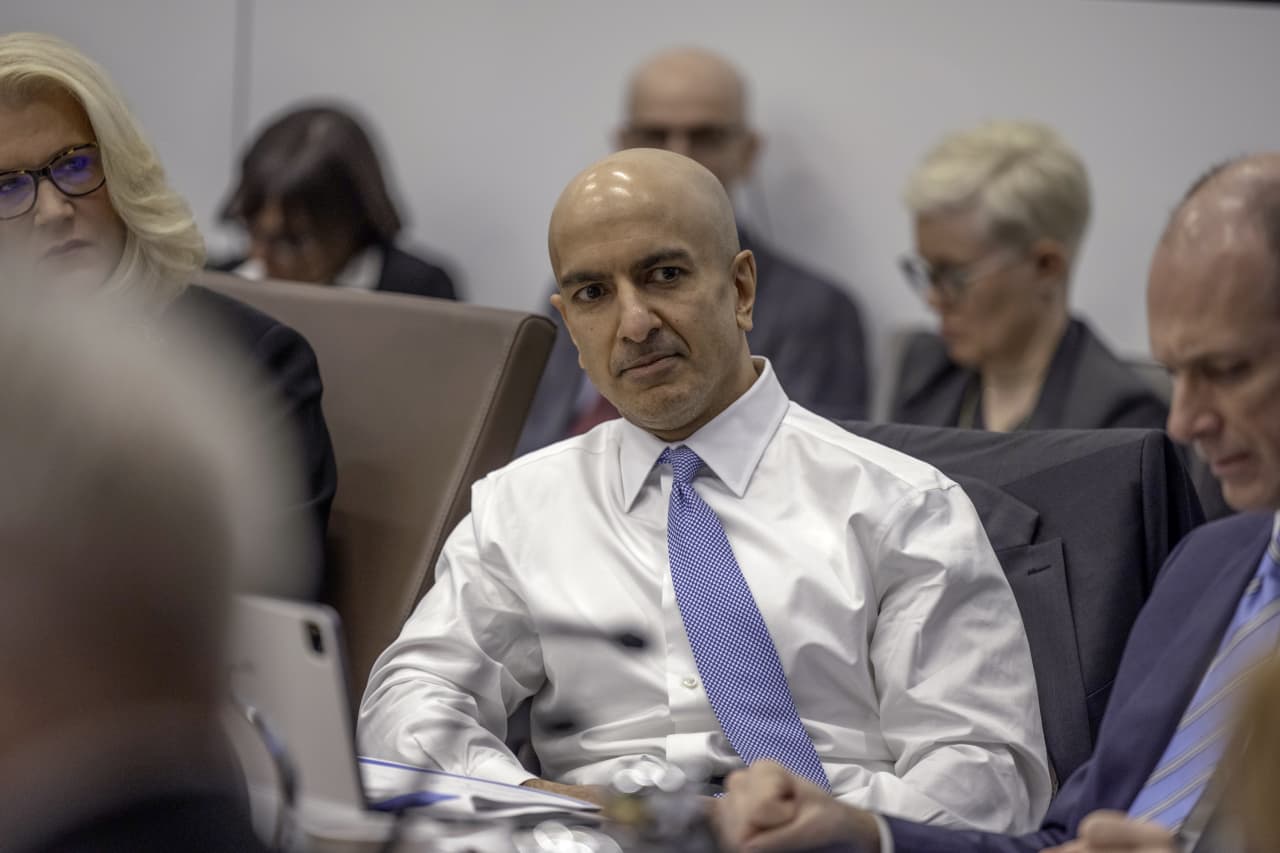
Minneapolis Fed President Neel Kashkari now projects one interest rate hike in 2026, citing U.S.-Iran peace deal doubts and AI infrastructure spending.
Minneapolis Federal Reserve President Neel Kashkari now projects one interest rate hike in 2026, according to MarketWatch. The shift in his outlook reflects doubts over the U.S.-Iran peace deal and the ongoing AI infrastructure buildup. The projection marks a change from earlier expectations and adds to the broader debate over the Federal Reserve's monetary policy path as investors assess inflation risks, geopolitical uncertainty, and technology sector capital spending.
Key takeaways
Neel Kashkari projects one Fed rate hike in 2026, according to MarketWatch.
Doubts over the U.S.-Iran peace deal and AI infrastructure spending influenced the projection.
The outlook shift adds to the broader Federal Reserve policy debate as investors assess inflation, geopolitics, and technology sector capital allocation.
Market readers may watch future Federal Reserve communications, geopolitical developments, and technology sector spending disclosures.
Table of Contents
What happened
Why it matters
What to watch next
What happened
Minneapolis Federal Reserve President Neel Kashkari now projects one interest rate hike in 2026, according to MarketWatch. The source context states that doubts over the U.S.-Iran peace deal and the AI buildup influenced the projection. The available source context does not specify the timing of the projected rate hike, the size of the increase, or whether Kashkari's view aligns with the broader Federal Open Market Committee consensus. The source context does not identify which specific geopolitical developments or AI spending trends drove the change in outlook.
The projection represents a shift from earlier expectations, though the source context does not specify Kashkari's previous rate path forecast or the date of his prior projection. The available source context does not include details on inflation data, labor market conditions, or other economic indicators that may have informed the updated outlook. The source context does not identify whether Kashkari discussed the projection in a speech, interview, or written statement, or whether he provided additional commentary on the Federal Reserve's broader monetary policy strategy.
Why it matters
For investors, Federal Reserve rate projections can matter because they influence expectations for borrowing costs, asset valuations, and market volatility. A projected rate hike in 2026 suggests that at least one Federal Reserve official sees upside inflation risks or economic conditions that may warrant tighter monetary policy. Geopolitical uncertainty, such as doubts over the U.S.-Iran peace deal, can affect energy markets, supply chains, and investor sentiment, all of which may influence inflation expectations and central bank policy decisions. The source context does not specify whether Kashkari discussed oil prices, sanctions, or other geopolitical transmission channels.
AI infrastructure spending has become a significant driver of technology sector capital allocation, with companies investing in data centers, semiconductors, and cloud computing capacity. For readers following broader market updates , this development can help frame the wider news context. Elevated capital spending can support economic growth and employment, but it may also contribute to demand-side inflation pressures if supply constraints emerge. The available source context does not specify whether Kashkari discussed AI spending levels, technology sector earnings, or the potential macroeconomic impact of the AI buildout. Without additional details, the projection should be treated as one Federal Reserve official's view, not a formal Federal Open Market Committee forecast.
What to watch next
Market readers may watch future Federal Reserve communications, including Federal Open Market Committee meeting minutes, speeches by Federal Reserve officials, and the Summary of Economic Projections released quarterly. The available source context does not specify when Kashkari may provide additional commentary on the rate path or whether other Federal Reserve officials share his outlook. Investors may also monitor geopolitical developments related to the U.S.-Iran peace deal, including any updates on diplomatic negotiations, sanctions policy, or energy market impacts. The source context does not identify the status of the peace deal or the specific concerns that influenced Kashkari's projection.
Technology sector capital spending disclosures, particularly from companies investing in AI infrastructure, may provide additional context for the Federal Reserve's assessment of demand-side inflation risks. The available source context does not specify which companies or sectors Kashkari referenced or whether he discussed the sustainability of AI spending levels. Inflation data, labor market reports, and other economic indicators released in the coming months will help clarify whether the Federal Reserve's broader policy path aligns with Kashkari's projection. Readers should watch for future Federal Reserve statements and economic data releases to assess whether the one-rate-hike projection reflects a consensus view or an outlier forecast.
Read original source