market
Ferrari Marketing Boss Quits After EV Launch Backlash
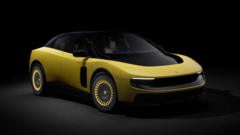
Ferrari's marketing boss has departed weeks after the Luce electric vehicle faced heavy design criticism, raising questions about the brand's EV strategy.
According to BBC Business, Ferrari's marketing boss has departed the luxury carmaker weeks after the company's first all-electric vehicle, the Luce, faced heavy criticism over its design. The timing of the departure follows public backlash against the electric model, marking a notable leadership change at the Italian automaker as it navigates the transition to electrification. Ferrari has not publicly detailed the reasons for the marketing executive's exit.
Key Takeaways
Ferrari's marketing boss has left the company weeks after the launch of the Luce electric vehicle
The Luce, Ferrari's first all-electric model, received heavy criticism for its design
Leadership changes at luxury automakers during electrification transitions can signal strategic reassessment (general context)
The departure raises questions about Ferrari's brand positioning as it enters the electric vehicle market
Table of Contents
What Happened
Why It Matters
What to Watch Next
What Happened
Ferrari's marketing boss has exited the company in the weeks following the launch of the Luce, the luxury carmaker's first all-electric vehicle. According to BBC Business, the Luce's design was heavily criticized following its unveiling. The departure represents a significant personnel change in Ferrari's leadership structure, particularly within the marketing function responsible for positioning the brand's products to customers and the broader market. The company has not released a statement connecting the departure directly to the Luce's reception or outlining the circumstances of the exit.
The Luce marks Ferrari's entry into the all-electric vehicle segment, a strategic shift for a brand historically defined by high-performance internal combustion engines. The design criticism suggests that the vehicle's aesthetic execution did not meet expectations from Ferrari's customer base, automotive critics, or market observers. Marketing leadership plays a central role in managing product launches, brand messaging, and customer perception, making the timing of this departure particularly notable for investors and industry watchers tracking Ferrari's electrification strategy.
Why It Matters
Ferrari's transition to electric vehicles represents one of the most closely watched shifts in the luxury automotive sector. The brand has built its reputation on the sound, performance, and engineering of traditional combustion engines, making the move to electric propulsion a delicate balance between innovation and heritage preservation. When a luxury automaker's first electric model faces design criticism, it can signal misalignment between product development, brand identity, and customer expectations. Marketing leadership is responsible for bridging these elements, and a departure following negative reception may indicate internal reassessment of strategy or messaging approach.
Leadership changes at automotive companies during major product transitions often reflect broader strategic questions. Investors monitor executive departures for signals about internal confidence, board satisfaction with execution, or shifts in company direction. For Ferrari, the electric vehicle segment represents both opportunity and risk: the company must attract environmentally conscious buyers and comply with tightening emissions regulations while maintaining the exclusivity and performance credentials that justify premium pricing. A poorly received first electric model can affect brand perception, customer loyalty, and competitive positioning against rivals such as Porsche, Lamborghini, and emerging electric luxury brands.
What to Watch Next
Observers should monitor whether Ferrari announces a replacement for the departed marketing boss and what background or strategic focus that individual brings. A new marketing leader with electric vehicle experience or a mandate to reposition the brand could signal a strategic pivot. Additionally, any public statements from Ferrari regarding the Luce's design, customer feedback, or future product adjustments will provide insight into how the company is responding to the criticism. Investors will also watch for sales data on the Luce once deliveries begin, as actual customer demand will determine whether the design criticism translates into commercial impact or remains confined to initial media and enthusiast reactions.
Broader industry trends will also shape Ferrari's electric strategy. Regulatory pressure in Europe and other markets is accelerating the timeline for electrification across the automotive sector, and luxury brands face the challenge of maintaining differentiation in a market where electric powertrains are increasingly standardized. Ferrari's ability to deliver distinctive performance, design, and brand experience in electric form will determine its competitive position. Observers should also track whether other luxury automakers face similar design or marketing challenges with their electric launches, as this could indicate broader industry difficulties in translating traditional brand values into electric vehicles.
Read original source