market
Ford CEO Says Human Workers Drive Factory Performance
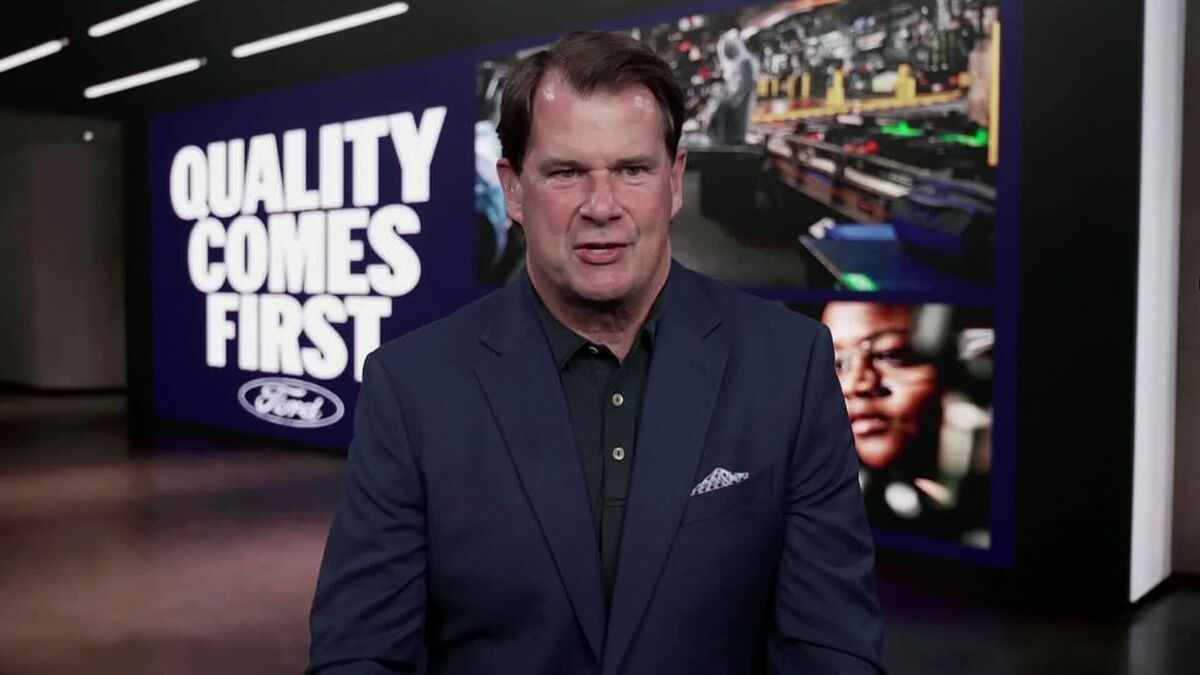
Ford CEO Jim Farley highlights human workers' role in factory performance, according to Bloomberg Markets, as investors watch manufacturing strategy.
Ford Motor Co. Chief Executive Officer Jim Farley emphasized that human workers are making a significant difference on the company's factory floors, according to Bloomberg Markets. Farley shared these remarks during an appearance on Bloomberg Open Interest on June 25, 2026, highlighting the role of workforce performance in the automaker's manufacturing operations. The comments come as investors and industry observers monitor how traditional automakers balance labor, automation, and production efficiency in a competitive manufacturing environment.
Key takeaways
Ford CEO Jim Farley stated that human workers are making a difference on factory floors, according to Bloomberg Markets.
The remarks were made during a June 25, 2026 appearance on Bloomberg Open Interest.
For investors, workforce performance commentary can matter because it may influence how markets evaluate manufacturing execution, cost structure, and operational priorities.
The available source context does not specify which factories, production lines, or vehicle programs Farley referenced in his remarks.
Table of Contents
What the CEO said
Why workforce performance matters for automakers
What remains unclear
What investors should watch
What the CEO said
Jim Farley, Ford Motor Co.'s Chief Executive Officer, stated that human workers are making all the difference on the factory floors, according to Bloomberg Markets. The remarks were delivered during a June 25, 2026 segment on Bloomberg Open Interest, a Bloomberg program focused on market and business topics. The source context confirms Farley's emphasis on the role of human workers in manufacturing operations, but does not provide additional detail about specific factories, production lines, vehicle models, or operational metrics referenced during the appearance.
The available source context does not specify whether Farley discussed automation levels, workforce size, labor costs, production targets, quality metrics, or comparisons to competitors. The remarks were attributed to Farley in his capacity as CEO, suggesting the comments reflect Ford's current manufacturing strategy and operational priorities. For readers following broader market updates , CEO commentary on workforce performance can help frame how company leadership views operational execution and competitive positioning.
Why workforce performance matters for automakers
For investors and industry observers, workforce performance commentary from automaker CEOs can matter because it may influence how markets evaluate manufacturing execution, cost structure, and operational priorities. Traditional automakers face ongoing decisions about how to balance human labor, automation, robotics, and production efficiency across complex global manufacturing networks. Workforce performance can affect production quality, output consistency, labor costs, and the ability to scale production in response to demand shifts or new vehicle launches.
In general market context, automaker manufacturing strategies are closely watched because they can influence profitability, capital allocation, and competitive positioning in a sector facing technology transitions, regulatory pressures, and evolving consumer demand. Workforce-related decisions can also affect labor relations, union negotiations, and regional employment levels, which may draw attention from policymakers, investors, and community stakeholders. The source context does not specify Ford's current workforce size, recent hiring or layoff activity, automation investment levels, or comparisons to industry peers.
What remains unclear
The available source context does not identify which Ford factories, production lines, or vehicle programs Farley referenced when discussing human workers. The source does not specify whether the remarks addressed recent performance improvements, ongoing challenges, or future workforce plans. The context does not include operational metrics such as production output, quality scores, labor costs, or efficiency gains that might help quantify the impact of human workers on factory performance.
The source context does not clarify whether Farley discussed automation levels, robotics deployment, or the balance between human labor and automated systems in Ford's manufacturing operations. The context does not specify whether the remarks were part of a broader discussion about Ford's manufacturing strategy, cost structure, or competitive positioning. Readers should treat the remarks as a confirmed headline from a CEO appearance on Bloomberg, with limited operational detail available from the source context.
What investors should watch
Investors and market readers may watch for future Ford disclosures that provide additional detail about manufacturing performance, workforce strategy, and operational execution. Potential follow-up items include quarterly earnings reports, investor presentations, manufacturing updates, and any additional CEO commentary that clarifies the context and specifics behind Farley's June 25 remarks. Readers may also monitor industry data on automaker production levels, labor costs, and automation trends to help frame Ford's manufacturing approach within broader sector context.
Market readers may watch for any Ford announcements related to factory investments, workforce changes, production targets, or vehicle launch schedules that could provide additional insight into how the company balances human labor and automation in its manufacturing operations. Readers should also monitor competitor disclosures and industry analysis that may help contextualize Ford's workforce performance commentary relative to peers. Without additional detail from the source context, the remarks should be treated as a confirmed CEO statement with operational specifics to be clarified in future company disclosures.
Read original source