markets
Former Governor Co-Chairs RAISE US for AI Job Transition
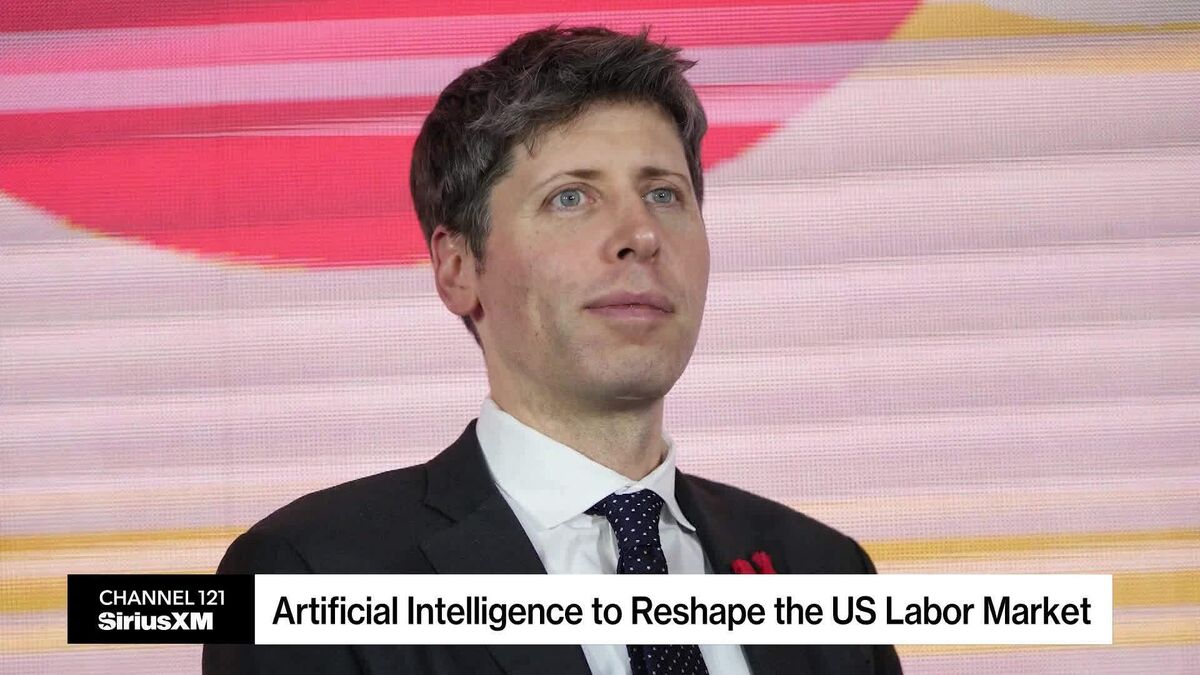
Former Indiana Governor Eric Holcomb co-chairs RAISE US to ease workforce transition to AI economy, backed by Amazon, Anthropic, and Microsoft.
Former Indiana Governor Eric Holcomb is co-chairing a new organization called RAISE US aimed at easing the American workforce's transition to an artificial intelligence-based economy, according to Bloomberg Markets. The initiative has gained support from major technology companies including Amazon, Anthropic, and Microsoft, signaling shared commitment to preparing workers for AI-driven jobs.
Holcomb discussed the organization's mission in an interview with Carol Massar and Tim Stenovec on Bloomberg Businessweek, explaining that the backing from big tech and leading AI companies demonstrates a shared commitment to preparing workers for AI-driven jobs.
Key Takeaways
Former Indiana Governor Eric Holcomb is co-chairing RAISE US, an organization focused on workforce transition to an AI-based economy
The initiative has secured backing from major technology companies including Amazon, Anthropic, and Microsoft
The organization aims to prepare American workers for AI-driven jobs as the economy shifts toward artificial intelligence
Big tech support demonstrates industry recognition of workforce transition challenges in the AI era
Table of Contents
What Happened
Political Context
Who Is Affected
What to Watch Next
What Happened
Former Indiana Governor Eric Holcomb announced he is co-chairing RAISE US, an organization designed to help American workers navigate the transition to an artificial intelligence-based economy. According to Bloomberg Markets, Holcomb explained that the organization has gained support from leading technology and AI companies including Amazon, Anthropic, and Microsoft.
The backing from these major firms demonstrates what Holcomb described as a shared commitment to preparing workers for jobs shaped by artificial intelligence. Holcomb, who served as Indiana's governor, is now applying his policy experience to address workforce transition challenges.
For readers following broader market updates , this development can help frame the wider news context.
Political Context
Former governors bringing cross-sector coalitions to workforce challenges is not unprecedented, but the focus on artificial intelligence marks a new chapter in economic transition policy. Workforce retraining initiatives have historically emerged during periods of technological disruption, from manufacturing automation to digital transformation.
The participation of Amazon, Anthropic, and Microsoft signals that leading AI developers recognize the importance of workforce transition support. Corporate involvement in workforce initiatives can provide funding, technical expertise, and direct insight into emerging job categories.
Who Is Affected
American workers across multiple sectors face potential disruption as artificial intelligence technologies continue to evolve. Knowledge workers in fields such as customer service, data entry, content creation, legal research, and financial analysis may see job roles evolve. At the same time, new job categories are emerging in AI development, deployment, maintenance, and oversight.
Employers face decisions about workforce planning, retraining investments, and hiring strategies as AI tools become more capable. State and federal policymakers must consider whether existing unemployment insurance, education funding, and workforce development programs are adequate for an AI-driven transition.
What to Watch Next
Market readers should monitor future announcements from RAISE US regarding specific programs, funding commitments, and measurable workforce outcomes. The organization's structure, governance, and transparency will help determine its effectiveness as a policy vehicle.
Additional corporate participants beyond Amazon, Anthropic, and Microsoft could signal broader industry buy-in, while the absence of other major AI developers might indicate divergent approaches to workforce transition. Federal and state policy responses to AI-driven job displacement will shape the regulatory environment for technology companies and the resources available for worker retraining.
Read original source