markets
Gatwick Runway Block Diverts Flights, Disrupts Operations
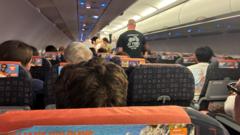
Gatwick runway block forced flight diversions including an Easyjet plane stuck at Stansted without fuel, according to BBC Business.
A Gatwick runway block forced several flights to divert on July 15, 2026, according to BBC Business. An Easyjet flight landed at Stansted Airport instead of its intended destination, then became stuck there when it couldn't find fuel, the source reported.
Key takeaways
A plane blocking the Gatwick runway caused multiple flight diversions on July 15, 2026, according to BBC Business
An Easyjet flight diverted to Stansted Airport and became stuck due to fuel unavailability
The incident highlights operational risks when airport infrastructure becomes temporarily unavailable
The Gatwick runway block created cascading operational challenges for airlines and passengers. BBC Business confirmed that the runway obstruction required air traffic controllers to redirect inbound flights to alternative airports. The Easyjet diversion to Stansted Airport illustrated how secondary disruptions can compound when diverted aircraft encounter resource constraints at their unplanned destinations. The source did not specify the type of aircraft blocking the Gatwick runway, the duration of the blockage, or the total number of affected flights.
For readers following broader general market briefs , airport disruptions can affect airline operational costs, passenger compensation obligations, and scheduling recovery timelines. While the source context does not provide financial impact details, runway closures typically require airlines to manage fuel logistics, crew duty time limits, and passenger rebooking across their networks. The Stansted fuel shortage added complexity to the Easyjet recovery, though the source did not indicate whether the fuel issue stemmed from capacity constraints, supply chain factors, or operational planning gaps.
Read original source