policy
Gold Price Decline Seen as Temporary Amid Fed Policy Signals
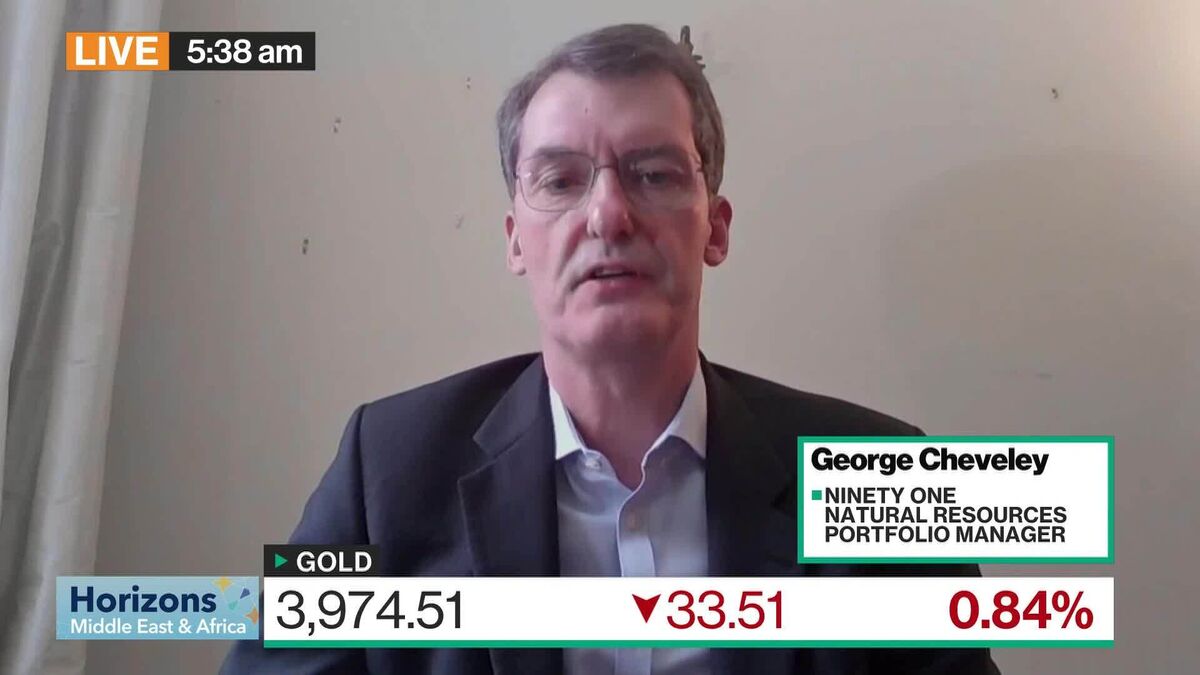
Gold price decline continues for third day as traders track US-Iran peace talks and Fed policy signals, but Ninety One portfolio manager expects recovery soon.
The gold price decline extended for a third consecutive day on July 1, 2026, as traders monitored US-Iran peace talks and assessed signals that the Federal Reserve may move toward tighter monetary policy, according to Bloomberg Markets. George Cheveley, Natural Resources Portfolio Manager at Ninety One, told Bloomberg's Abeer Abu Omar on Horizons Middle East & Africa that the yellow metal is expected to recover over the next few months despite the recent weakness.
Key Takeaways
Gold prices fell for a third day as traders tracked US-Iran peace talks and Federal Reserve policy signals
George Cheveley of Ninety One expects gold to bounce back over the next few months
The decline reflects market attention to geopolitical developments and central bank policy direction
For investors, gold price movements can matter because the metal often serves as a hedge during periods of policy uncertainty
Table of Contents
What Happened
Why Gold Prices Respond to Fed Policy Signals
Geopolitical Factors in Focus
What to Watch Next
What Happened
Bloomberg Markets reported that gold prices slipped for a third consecutive day as market participants tracked developments in US-Iran peace talks and weighed signals from the Federal Reserve regarding potential policy tightening. George Cheveley, who manages natural resources portfolios at Ninety One, appeared on Bloomberg's Horizons Middle East & Africa program to discuss the outlook for gold.
Cheveley stated that he expects the yellow metal to recover over the next few months, despite the current price weakness. The report focused on the two primary factors influencing trader sentiment: ongoing diplomatic discussions between the United States and Iran, and Federal Reserve policy signals that suggest the central bank may be considering tighter monetary conditions.
For readers following broader market updates , this development can help frame the wider news context.
Why Gold Prices Respond to Fed Policy Signals
Gold prices often move in response to Federal Reserve policy signals because the metal is typically priced in US dollars and does not generate yield. When the Federal Reserve signals potential policy tightening, such as interest rate increases or reduced asset purchases, the opportunity cost of holding gold can rise. Higher interest rates make yield-bearing assets more attractive relative to gold, which does not pay interest or dividends.
Additionally, tighter monetary policy can strengthen the US dollar, making gold more expensive for buyers using other currencies and potentially reducing demand. For investors, understanding the relationship between Federal Reserve policy and gold prices can matter because the metal is often used as a portfolio hedge during periods of inflation concern, currency weakness, or financial market stress.
When central bank policy signals shift, gold's role as a store of value can be reassessed by market participants. The source confirmed that traders are weighing Fed policy signals, though specific policy announcements or economic data releases were not detailed in the report.
Geopolitical Factors in Focus
The report also noted that traders are tracking US-Iran peace talks as a factor influencing gold prices. Geopolitical developments can affect gold demand because the metal is often viewed as a safe-haven asset during periods of international tension or uncertainty. When diplomatic progress is made or conflict risks appear to diminish, some investors may reduce their gold holdings, contributing to price declines.
Conversely, escalating tensions or stalled negotiations can increase demand for gold as a hedge against geopolitical risk. The source did not provide details about the specific stage of the US-Iran peace talks, the issues under discussion, or the likelihood of a diplomatic resolution.
Gold's sensitivity to both monetary policy and geopolitical factors means that price trends often reflect a combination of macroeconomic signals and international relations, rather than a single dominant driver. Investors monitoring gold should consider both sets of factors when evaluating near-term price direction and longer-term portfolio positioning.
What to Watch Next
Market readers may watch for future Federal Reserve communications, including policy statements, meeting minutes, and speeches by central bank officials, to assess whether the signals toward tighter policy continue or shift. Any changes in the Fed's forward guidance on interest rates, inflation expectations, or balance sheet management could influence gold price trends.
Additionally, developments in US-Iran diplomatic discussions may provide further context for geopolitical risk assessments and their impact on safe-haven demand for gold. George Cheveley's expectation that gold will recover over the next few months suggests that some market participants view the current decline as temporary.
For readers evaluating gold as a portfolio component, tracking both macroeconomic data and geopolitical news can help inform decisions about timing, allocation, and risk management in precious metals exposure.
Read original source