market
Gold Steadies Near $4,000 as Dollar Strength Weighs on Prices
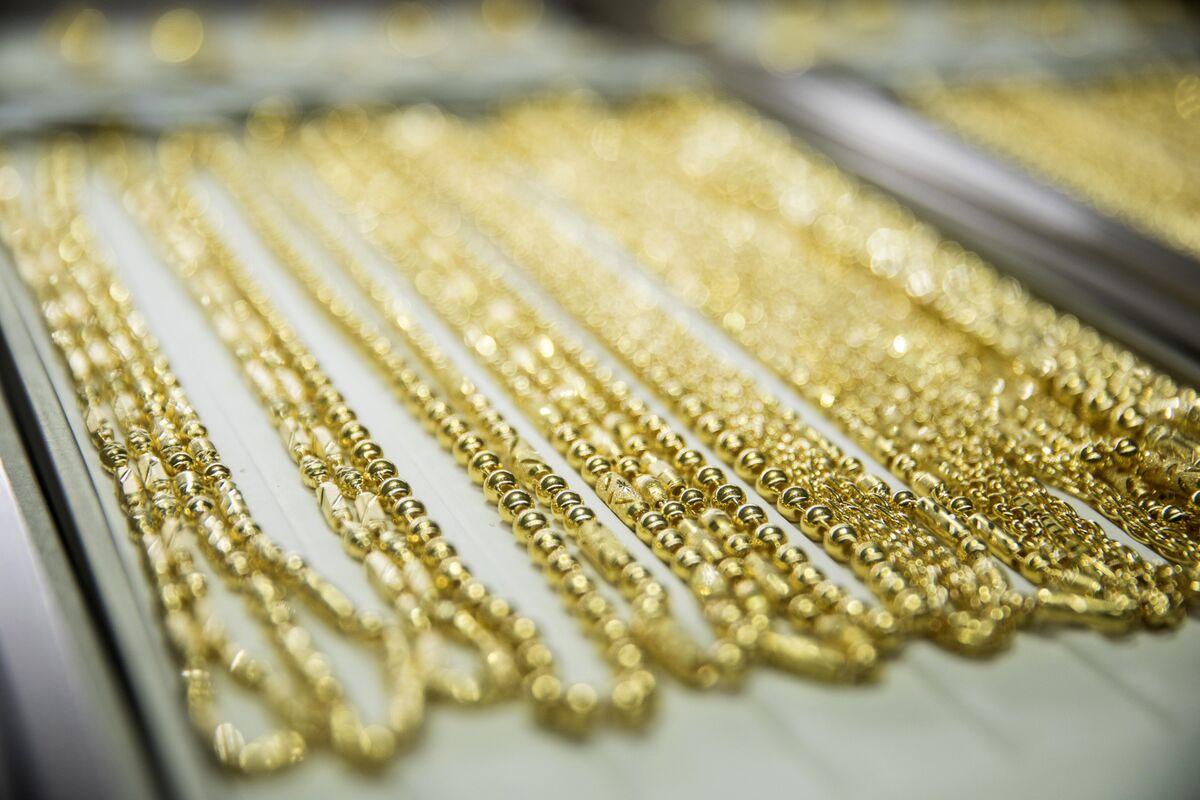
Gold steadied near $4,000 per ounce after falling below the threshold for the first time since November, pressured by a stronger dollar and rate outlook.
Gold steadied near $4,000 per ounce after falling through the threshold for the first time since November, according to Bloomberg Markets. The precious metal faced downward pressure from a resurgent US dollar and the prospect of higher interest rates, two key factors that typically weigh on gold prices. The move marks a significant technical level for the metal after months of trading above the $4,000 mark.
Key takeaways
Gold fell below $4,000 per ounce for the first time since November 2025, according to Bloomberg Markets reporting on June 24, 2026
A stronger US dollar contributed to downward pressure on gold prices, as the two assets typically move inversely
The prospect of higher interest rates weighed on the precious metal, as rising rates increase the opportunity cost of holding non-yielding assets
General context: Gold's relationship with the dollar and interest rates reflects fundamental drivers that influence precious metal valuations across market cycles
Table of Contents
What happened
Why it matters
What to watch next
What happened
Gold prices steadied near the $4,000 per ounce level after breaking below this threshold for the first time since November, according to Bloomberg Markets. The decline came as the US dollar strengthened and market participants absorbed the implications of a potentially higher interest rate environment. The $4,000 level represents a psychologically significant price point that the precious metal had maintained for several months prior to this move.
The combination of dollar strength and interest rate expectations created headwinds for gold, which had previously held above the $4,000 mark throughout the period since November. Bloomberg Markets reported these developments on June 24, 2026, capturing a moment when multiple macroeconomic factors converged to pressure the precious metal. The steadying near $4,000 suggests the market is finding a temporary equilibrium after the initial break below this level.
Why it matters
Gold's relationship with the US dollar and interest rates represents one of the most fundamental dynamics in commodity markets. When the dollar strengthens, gold typically becomes more expensive for holders of other currencies, reducing demand and putting downward pressure on prices. This inverse relationship has been observed across decades of market history and remains a key consideration for precious metal investors, central banks, and portfolio managers who use gold as a hedge against currency depreciation or inflation.
Interest rate expectations carry similar weight in gold market analysis. Because gold generates no yield, rising interest rates increase the opportunity cost of holding the metal compared to interest-bearing assets such as government bonds or money market instruments. When market participants anticipate higher rates, capital often flows away from non-yielding stores of value toward assets that generate income. This dynamic explains why gold often struggles during periods of rising rate expectations, while it tends to perform well when real interest rates decline or turn negative. The interplay between these factors helps determine gold's role in diversified portfolios and its appeal as a safe-haven asset during periods of economic uncertainty.
What to watch next
Market participants will likely monitor US dollar movements and Federal Reserve communications for signals about the trajectory of interest rates and currency strength. Any shift in the dollar's momentum or changes to the interest rate outlook could influence whether gold stabilizes near current levels or experiences further pressure. The $4,000 level itself may now serve as a technical reference point, with traders watching whether the metal can reclaim this threshold or if it establishes a new trading range below it.
Broader macroeconomic indicators will also merit attention, including inflation data, employment figures, and central bank policy statements that could affect both dollar strength and rate expectations. Gold's behavior in response to these data releases will provide insight into whether the current pressure represents a temporary correction or the beginning of a more sustained shift in precious metal valuations. Investors holding gold as a portfolio hedge will need to reassess their positions in light of the changing dollar and rate environment, while traders may look for volatility around key economic announcements that could move the metal away from its current equilibrium near $4,000 per ounce.
Read original source