tech-ai
Hawkish Fed Stance Challenges Emerging-Market Bond Rally
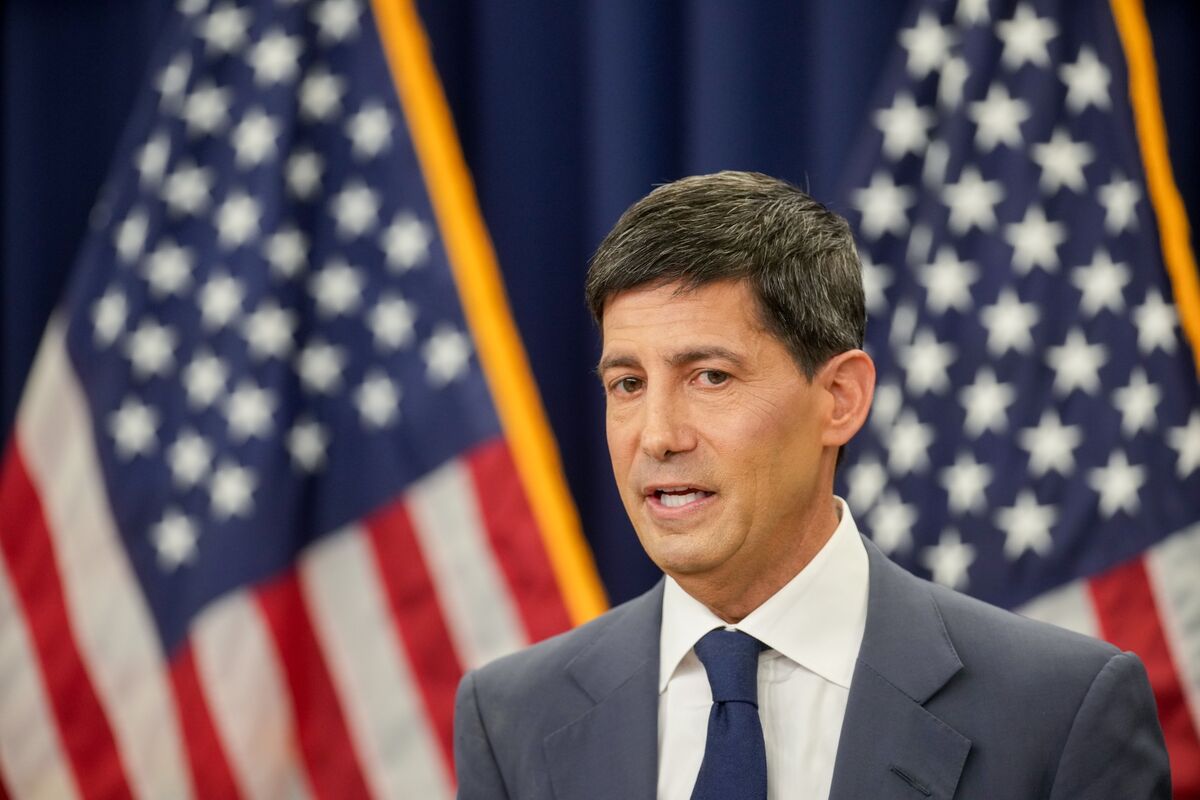
Federal Reserve Chairman Kevin Warsh's hawkish stance puts emerging-market bond rally in focus as investors watch monetary policy signals.
According to Bloomberg Markets, Federal Reserve Chairman Kevin Warsh delivered hawkish commentary that put pressure on the emerging-market bond rally, offsetting earlier optimism driven by falling energy prices. The source context confirms that Warsh's remarks introduced renewed monetary policy uncertainty for emerging-market bonds at a time when lower energy costs had created favorable conditions for the asset class.
Key takeaways
Federal Reserve Chairman Kevin Warsh delivered hawkish commentary, according to Bloomberg Markets
The remarks challenged the emerging-market bond rally that had been supported by falling energy prices
Monetary policy signals from the Federal Reserve can influence investor positioning in emerging-market debt
Market readers may watch future Federal Reserve communications and energy price trends for additional context
Table of Contents
What happened
Why it matters
What to watch next
What happened
Bloomberg Markets reported that Federal Reserve Chairman Kevin Warsh delivered hawkish commentary that introduced renewed pressure on emerging-market bonds. The source context indicates that the remarks came at a time when falling energy prices had created favorable conditions for the asset class, with investors anticipating relief from lower commodity costs. Warsh's hawkish stance shifted the focus back to monetary policy uncertainty, according to the source.
The source context does not provide specific details about the content of Warsh's remarks, the timing of the comments, or the magnitude of market reaction. Bloomberg Markets framed the development as a challenge to the emerging-market bond rally, suggesting that the hawkish tone offset earlier optimism driven by energy price declines. Further Federal Reserve disclosures or market commentary would be needed to determine the specific policy signals that investors interpreted as hawkish.
Why it matters
For investors, Federal Reserve commentary can matter because monetary policy signals influence interest rate expectations, currency valuations, and capital flows across asset classes. Emerging-market bonds are particularly sensitive to U.S. monetary policy because many emerging-market issuers borrow in U.S. dollars, and higher U.S. interest rates can increase borrowing costs, strengthen the dollar, and reduce the attractiveness of higher-yielding emerging-market debt. Hawkish Federal Reserve commentary can therefore shift investor positioning away from emerging-market bonds and toward safer assets.
Falling energy prices can support emerging-market bonds by reducing inflation pressures, improving trade balances for energy-importing countries, and lowering fiscal deficits for governments that subsidize fuel costs. When energy prices decline, investors often anticipate that central banks in emerging markets will have more room to ease monetary policy or maintain accommodative stances, which can support bond prices. However, the source context suggests that Warsh's hawkish remarks introduced a countervailing force, shifting attention back to U.S. monetary policy risk. For readers following broader market updates , this development illustrates how central bank communication can influence cross-asset positioning and risk sentiment.
What to watch next
Emerging-market bond investors may also monitor currency movements, inflation data, and fiscal developments in major emerging economies to assess how external monetary policy shocks interact with domestic conditions. The source context does not provide details about which emerging-market countries or bond segments were most affected by Warsh's remarks, so readers should treat the development as a broad market signal rather than a country-specific event. Future disclosures from the Federal Reserve, energy market data, and emerging-market economic reports could provide additional context for understanding the interplay between U.S. monetary policy and emerging-market debt performance.
Read original source