markets
HDFC Bank Names Rajiv Kumar Part-Time Chair After Governance Questions
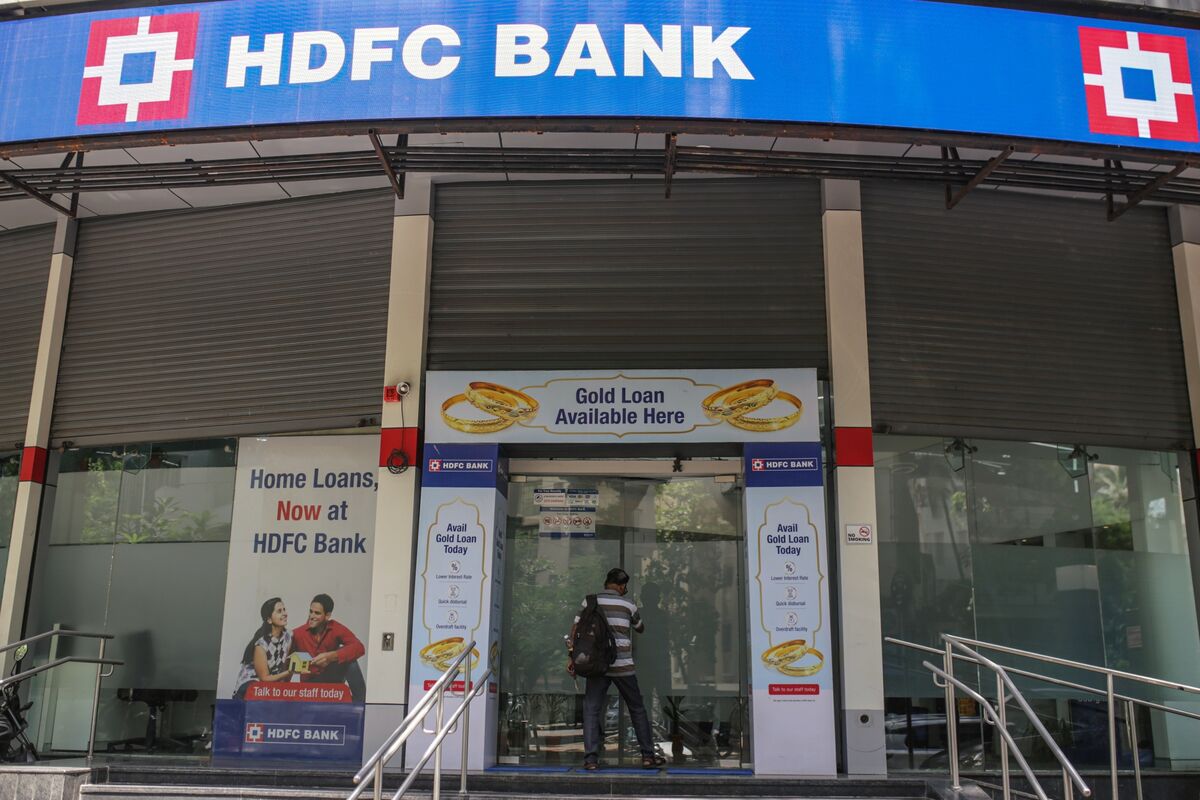
HDFC Bank appointed former finance secretary Rajiv Kumar as part-time chairman months after Atanu Chakraborty's abrupt resignation raised governance concerns.
HDFC Bank Ltd. appointed former finance secretary Rajiv Kumar as its part-time chairman, according to Bloomberg Markets, months after the abrupt resignation of Atanu Chakraborty sparked questions about governance at India's largest private lender. The HDFC Bank chairman appointment follows a period of leadership uncertainty at the institution, which holds significant weight in India's financial sector and attracts close attention from investors, regulators, and market participants.
Key takeaways
HDFC Bank Ltd. named Rajiv Kumar, a former finance secretary, as its part-time chairman, according to Bloomberg Markets.
The appointment comes months after Atanu Chakraborty's abrupt resignation raised governance questions at the nation's largest private lender.
For investors, board leadership transitions at major financial institutions can influence perceptions of governance quality, strategic continuity, and operational oversight.
Market readers may watch for future disclosures about board composition, governance practices, and any additional leadership updates from HDFC Bank.
Table of Contents
Leadership Appointment Details
Governance Implications for Investors
What to Watch Next
Leadership Appointment Details
HDFC Bank Ltd. announced the appointment of Rajiv Kumar, a former finance secretary, as its part-time chairman, Bloomberg Markets reported. The move follows the abrupt resignation of Atanu Chakraborty, the previous chairman, which occurred months earlier and prompted questions about governance at the bank. HDFC Bank is India's largest private lender, making leadership decisions at the institution closely watched by investors, regulators, and market participants who monitor governance standards and board stability at systemically important financial institutions.
The source context confirms the appointment and the governance backdrop but does not provide additional details about the timing of Kumar's start date, the terms of his appointment, the reasons for Chakraborty's resignation, or any statements from the bank or Kumar himself. Further company disclosures would be needed to determine the specific governance concerns raised by the previous resignation, the board's selection process, or any changes to board structure or oversight practices accompanying the new appointment.
Governance Implications for Investors
For investors, board leadership transitions at major financial institutions can matter because they influence perceptions of governance quality, strategic continuity, and operational oversight. A part-time chairman role is common in many banking systems, but the context of a prior abrupt resignation can raise questions about board dynamics, succession planning, and the institution's ability to maintain stable leadership during periods of strategic execution or regulatory scrutiny. Governance concerns at a systemically important lender can affect investor confidence, regulatory attention, and the bank's ability to execute on capital allocation, risk management, and growth priorities.
In general market context, investors often evaluate financial institutions based on the quality of board oversight, the independence and experience of directors, and the transparency of governance practices. Leadership appointments that follow periods of uncertainty can be viewed as stabilizing if the new appointee brings relevant experience and credibility, or as a signal of ongoing governance challenges if the transition process lacks clarity or if the underlying issues remain unresolved. For readers following broader market updates , this development can help frame the importance of governance quality in evaluating large financial institutions.
What to Watch Next
Market readers may watch for future disclosures from HDFC Bank about board composition, governance practices, and any additional leadership updates. Investors often monitor whether financial institutions provide clear explanations for leadership transitions, whether new appointees bring relevant experience and independence, and whether the board takes steps to address any governance concerns that may have contributed to prior resignations. Regulatory filings, annual reports, and investor presentations can provide useful context about board structure, committee composition, and oversight practices.
Readers may also watch for any statements from Rajiv Kumar or the bank about strategic priorities, governance improvements, or the role of the part-time chairman in overseeing management and guiding the institution's direction. In general market context, governance quality at major financial institutions can influence investor sentiment, regulatory relationships, and the bank's ability to attract capital and execute on growth plans. Without additional details, the appointment should be treated as a confirmed leadership update with limited operational detail available at this time.
Read original source