market
H&M Profit Misses Estimates as Turnaround Questions Persist
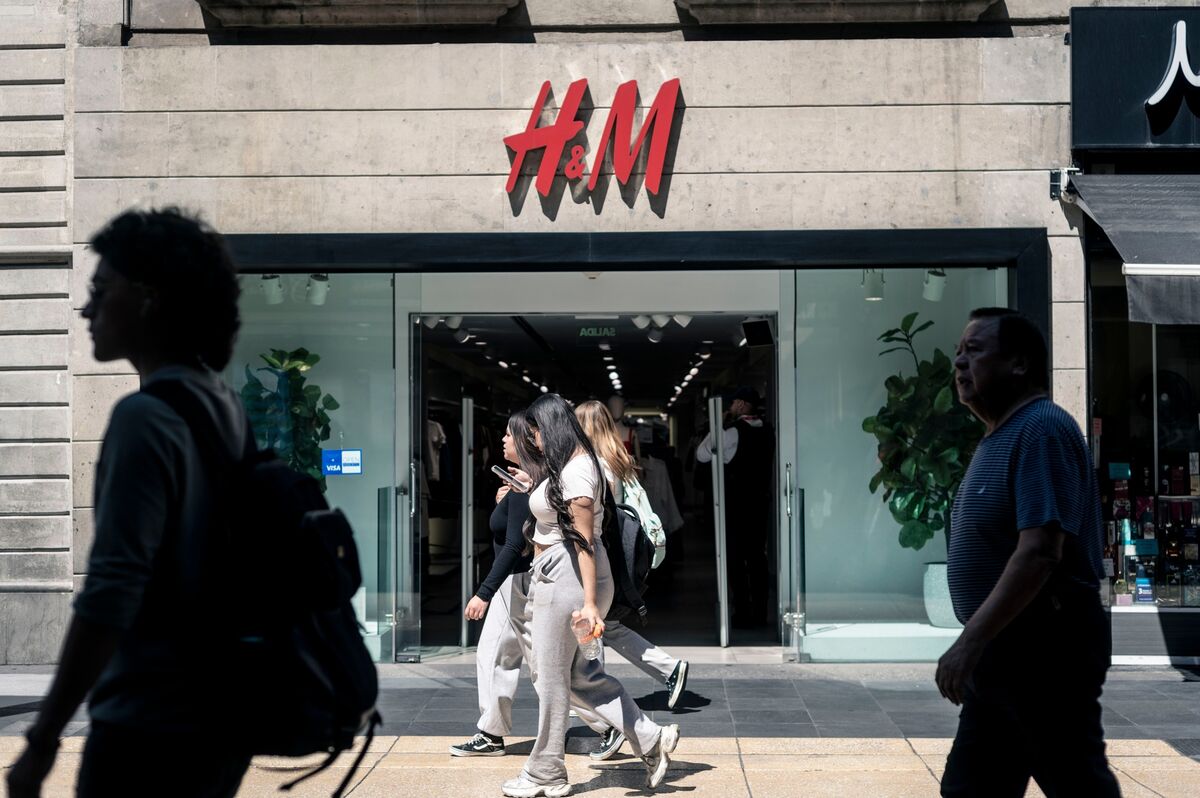
H&M AB reported weaker-than-expected second-quarter earnings, challenging the Swedish fast-fashion retailer's turnaround amid competition.
According to Bloomberg Markets, H&M AB reported weaker-than-expected second-quarter earnings on June 25, 2026, posing a fresh challenge to the Swedish fast-fashion retailer's turnaround efforts amid intense competition and cautious consumer spending. The earnings miss underscores the difficulties facing traditional apparel retailers as they navigate shifting consumer preferences and a competitive landscape that includes both fast-fashion rivals and online-first brands.
Key takeaways
H&M AB reported second-quarter earnings that fell short of analyst estimates
The earnings miss challenges the company's ongoing turnaround efforts
Intense competition and cautious consumer spending are cited as contributing factors
Apparel retailers generally face pressure from changing consumer behavior, margin compression, and the need to balance physical and digital channels
Table of Contents
What happened
Why it matters
What to watch next
What happened
H&M AB disclosed second-quarter earnings results that came in below market expectations, according to Bloomberg Markets. The Swedish fast-fashion retailer's performance fell short of analyst estimates, marking a setback for the company's turnaround strategy. The report was released on June 25, 2026, and highlights ongoing operational challenges facing the retailer in the current market environment.
The earnings shortfall occurred against a backdrop of intense competition within the fast-fashion sector and cautious consumer spending patterns. Bloomberg Markets identified these two factors as key headwinds affecting H&M's quarterly performance. The company has been working on turnaround efforts, though the latest quarterly results suggest these initiatives have yet to fully translate into financial performance that meets market expectations.
Why it matters
The H&M earnings miss reflects broader challenges facing traditional brick-and-mortar apparel retailers in an evolving retail landscape. Fast-fashion companies operate on thin margins and rely on rapid inventory turnover, making them particularly sensitive to shifts in consumer spending patterns. When shoppers become more cautious with discretionary purchases, retailers like H&M face pressure on both sales volume and pricing power, which can quickly compress profitability. The competitive intensity in the sector has increased as online-native brands and ultra-fast-fashion competitors have gained market share, forcing established players to invest heavily in digital capabilities while maintaining extensive physical store networks.
For investors and market observers, earnings misses at major retailers often signal broader consumer sentiment trends that can affect the entire sector. Apparel retail performance serves as a barometer for discretionary spending health, particularly in European markets where H&M maintains a significant presence. The company's turnaround efforts typically involve store portfolio optimization, supply chain improvements, digital transformation, and brand repositioning—all capital-intensive initiatives that require time to generate returns. When quarterly results fall short despite these investments, it raises questions about execution effectiveness, competitive positioning, and whether the strategic approach needs adjustment. Retail turnarounds are notoriously difficult, requiring companies to simultaneously cut costs, invest in growth areas, and maintain brand relevance while competitors continue to evolve.
What to watch next
Investors and analysts will likely focus on H&M's management commentary regarding the specific drivers behind the earnings miss and any adjustments to the turnaround strategy. Key metrics to monitor include comparable store sales growth, gross margin trends, inventory levels, and the pace of digital channel growth relative to physical store performance. The company's ability to maintain or improve market share in key geographic markets will be an important indicator of competitive positioning, particularly against both traditional fast-fashion rivals and emerging online competitors.
Broader retail sector trends will provide context for H&M's performance, including consumer confidence indicators, discretionary spending patterns, and competitive dynamics within the fast-fashion segment. Observers should watch for any strategic announcements regarding store closures, market exits, brand repositioning, or changes to the product mix and pricing strategy. The effectiveness of cost-reduction initiatives and whether the company can achieve profitability improvements despite revenue headwinds will be critical to assessing turnaround progress. Additionally, any changes in promotional intensity or discounting activity may signal shifts in competitive pressure or inventory management challenges that could affect future quarters.
Read original source