market
Hong Kong Dollar Hits 10-Month Low as Fed Rate View Strengthens
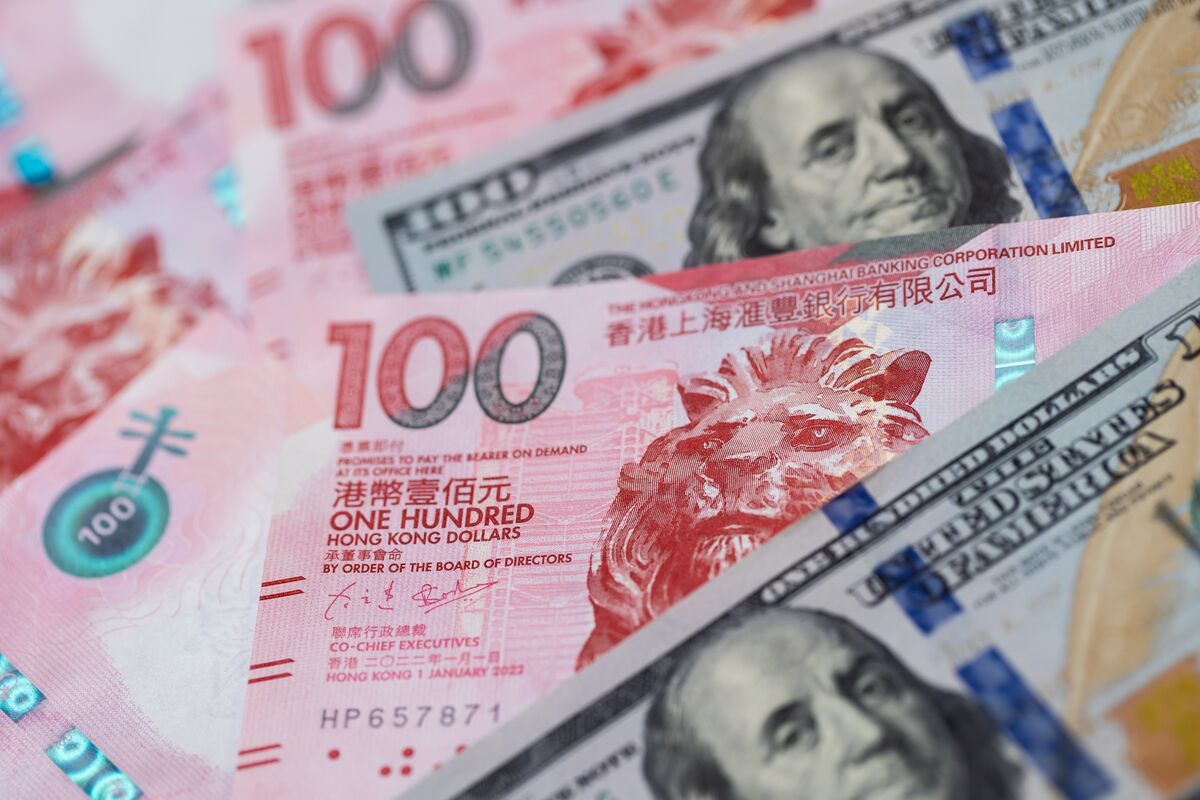
The Hong Kong dollar fell to its weakest level in about 10 months against the US dollar as Federal Reserve rate expectations strengthened the greenback.
The Hong Kong dollar fell to its weakest level against the US dollar in about 10 months, according to Bloomberg Markets. The currency move reflects a stronger greenback and market expectations for further Federal Reserve rate hikes, which have pressured Asian currencies broadly. The development highlights how central bank policy expectations continue to influence foreign exchange markets across the region.
Key takeaways
The Hong Kong dollar reached its weakest level against the US dollar in approximately 10 months, according to Bloomberg Markets
A stronger greenback and expectations for additional Federal Reserve rate hikes contributed to the currency move
Asian currencies faced broader pressure as market participants adjusted to the Federal Reserve policy outlook
Currency peg dynamics and central bank policy divergence remain key factors for foreign exchange traders monitoring the region
Table of Contents
Currency Move Details
Federal Reserve Policy Context
Currency Peg Dynamics
Market Outlook
Currency Move Details
Bloomberg Markets reported that the Hong Kong dollar fell to its weakest level against the US dollar in about 10 months. The source confirms the currency move occurred as the greenback strengthened, though specific exchange rate levels, trading volumes, or intraday price action were not detailed in the available reporting.
The Hong Kong dollar operates under a currency peg system, which links its value to the US dollar within a defined trading band managed by the Hong Kong Monetary Authority. For readers following broader market updates , currency moves in pegged systems can reflect both spot market pressure and expectations about central bank intervention thresholds.
Federal Reserve Policy Context
According to Bloomberg Markets, expectations for further Federal Reserve rate hikes contributed to the stronger US dollar and pressure on Asian currencies. Central bank policy divergence can influence currency markets when investors adjust portfolios based on expected interest rate differentials between regions.
The available source does not detail specific Federal Reserve officials' comments, economic data releases, or precise rate path forecasts that influenced market expectations. For currency traders, the relationship between central bank policy expectations and exchange rate moves can depend on factors including capital flows, risk sentiment, and relative economic growth outlooks across different monetary policy jurisdictions.
Currency Peg Dynamics
The Hong Kong dollar operates under a linked exchange rate system, which pegs the currency to the US dollar within a band of 7.75 to 7.85 Hong Kong dollars per US dollar. When the currency approaches the weak side of the band, the Hong Kong Monetary Authority may intervene by selling US dollars and buying Hong Kong dollars to maintain the peg.
Currency peg systems can matter for investors because they influence how monetary policy, capital flows, and interest rate differentials interact in the local economy. The source does not specify whether the Hong Kong Monetary Authority intervened during the reported currency move or how close the currency traded to the intervention threshold.
Market Outlook
Market participants may watch for future Federal Reserve policy updates, including official meeting statements and economic data releases that could influence US dollar strength. Currency traders may also track whether the Hong Kong dollar continues to weaken toward the intervention threshold or stabilizes at current levels.
Additional factors to monitor include Hong Kong Monetary Authority statements, changes in foreign exchange reserves, and any adjustments to local interest rates that could influence the currency peg. For investors, currency moves can influence cross-border capital flows, corporate earnings for companies with foreign exchange exposure, and portfolio returns for international asset allocations.
Read original source