market
Hormuz Reopening Floods Oil Markets With New Supply
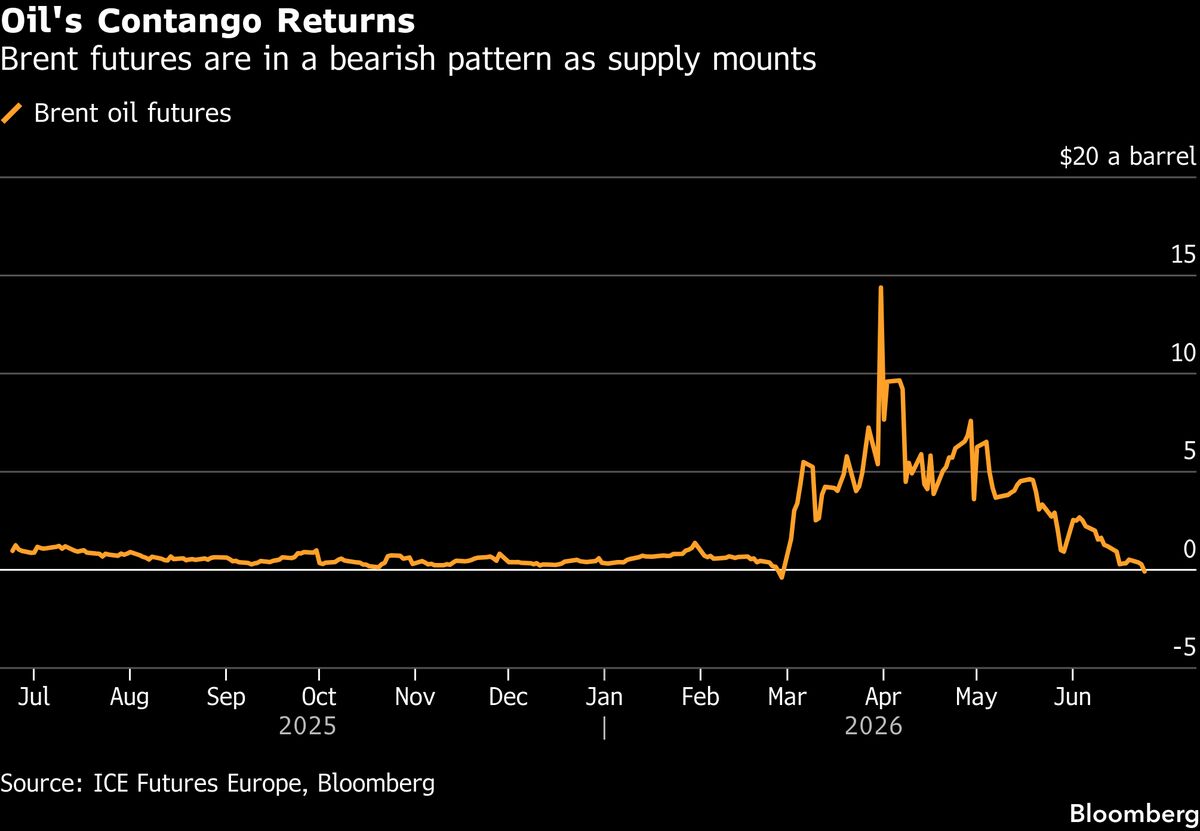
Oil markets see surge in supply as cargoes flow from Strait of Hormuz following US-Iran agreement to reopen the strategic waterway.
According to Bloomberg Markets, key parts of the oil market are experiencing a sudden surge in supply as cargoes accelerate out of the Strait of Hormuz following a US-Iran agreement to reopen the waterway. The development marks a significant shift in global oil flow patterns through one of the world's most critical energy chokepoints.
Key takeaways
Oil markets are experiencing increased supply as cargoes flow from the Strait of Hormuz after the US-Iran agreement to reopen the waterway
Key parts of the oil market are now awash in supply following the accelerated stream of cargoes
The Strait of Hormuz is a critical chokepoint through which roughly one-fifth of global petroleum liquids transit, making its operational status vital to energy markets
Supply surges from strategic waterway reopenings can create price pressure and shift regional crude pricing dynamics
Table of Contents
What happened
Why it matters
What to watch next
What happened
Bloomberg Markets reported on June 24, 2026, that a stream of oil cargoes out of the Strait of Hormuz has accelerated following a US-Iran agreement to open the waterway. The report indicates that key parts of the oil market are suddenly awash in supply as a result of this increased flow. The development represents a material change in cargo movement through the strait, which serves as the primary export route for crude oil from major Persian Gulf producers.
The strait connects the Persian Gulf to the Gulf of Oman and is one of the world's most strategically important oil transit chokepoints. According to the US Energy Information Administration, approximately 21 million barrels per day of petroleum and petroleum products have flowed through the strait in recent years, representing roughly one-fifth of global petroleum liquids consumption. The narrow waterway is about 21 miles wide at its narrowest point and serves as a critical passage for tankers carrying crude from Saudi Arabia, Iraq, the United Arab Emirates, Kuwait, and Iran to global markets.
Why it matters
Any disruption or change in flow through the Strait of Hormuz can have immediate implications for global oil supply, regional crude pricing, and energy security for major importing nations in Asia, Europe, and beyond. When supply surges into oil markets, it typically creates downward pressure on prices as buyers gain access to additional barrels. The speed and volume of supply increases can affect different parts of the oil market unevenly, with physical crude markets, futures contracts, and regional price differentials responding differently depending on storage capacity, refinery demand, and existing inventory levels.
For traders and investors, understanding the source and sustainability of new supply is essential for positioning in energy markets. The reopening also affects tanker rates, shipping schedules, and the economics of oil storage, as market participants adjust to the changed supply landscape. The strait's operational status is vital to global energy security given the concentration of oil exports that transit through this single chokepoint, making any agreement affecting its accessibility significant for market participants worldwide.
What to watch next
Market participants should monitor whether the increased flow of cargoes from the Strait of Hormuz continues at the current pace or represents a temporary surge as previously delayed shipments clear the waterway. The sustainability of the US-Iran agreement will be a key factor determining whether supply remains elevated. Any future diplomatic developments, operational issues in the strait, or changes in production levels from Persian Gulf exporters could alter the supply picture.
Traders will watch for official cargo tracking data, tanker fixture reports, and loading schedules from major terminals to gauge the actual volume increase. Oil price movements across different crude benchmarks—including Brent, West Texas Intermediate, and regional grades such as Dubai and Oman—will reflect how markets are absorbing the additional supply. Inventory data from major storage hubs, refinery utilization rates, and any shifts in crude price spreads between regions will provide insight into whether the supply increase is being readily absorbed or creating a glut.
Read original source