tech-ai
Hormuz Traffic Declines as Ship Attacks Raise Concerns
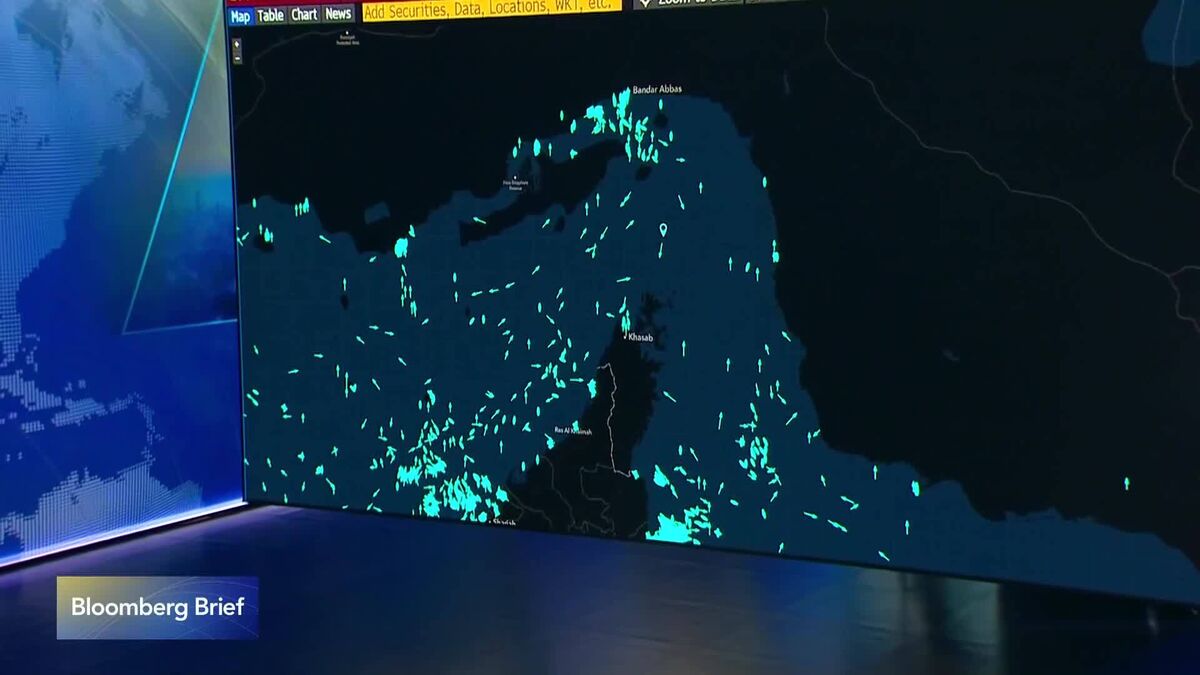
Commercial traffic through the Strait of Hormuz declined this weekend after ship attacks raised fresh concerns about shipowner willingness to traverse the waterway.
Commercial traffic through the Strait of Hormuz persisted at a reduced level this weekend as attacks on two ships raised fresh concerns about the ability and willingness of shipowners to traverse the waterway, according to Bloomberg Markets. While traffic remained higher than for most of the US-Iran war, the handful of vessels making open transits highlighted ongoing uncertainty about one of the world's most strategically important shipping routes.
Key takeaways
Commercial traffic through the Strait of Hormuz continued at a reduced level this weekend, according to Bloomberg Markets
Attacks on two ships raised fresh concerns about shipowner willingness to use the waterway
Traffic levels remained higher than for most of the US-Iran war, but the number of vessels making open transits was limited
The development highlights ongoing uncertainty about commercial shipping through one of the world's most strategically important maritime chokepoints
Table of Contents
What happened
Strategic context
Who is affected
What to watch next
What happened
Bloomberg Markets reported that commercial traffic through the Strait of Hormuz this weekend persisted at a reduced level, with a handful of vessels making open transits. The source confirmed that attacks on two ships raised fresh concerns about the ability and willingness of shipowners to traverse the waterway. While traffic was still higher than for most of the US-Iran war, the limited number of vessels making open transits underscored the cautious approach taken by commercial operators navigating the region.
The source did not provide specific details about the nature of the attacks, the identities of the affected vessels, or the extent of damage sustained. Bloomberg Markets attributed the reporting to Alaric Nightingale, who covered the development on Bloomberg Television. The source published the report on June 29, 2026, indicating that the traffic decline and ship attacks occurred over the weekend preceding that date.
Strategic context
The Strait of Hormuz is one of the world's most strategically important maritime chokepoints, serving as a critical transit route for global energy supplies and commercial shipping. Disruptions to traffic through the waterway can have broad implications for energy markets, shipping costs, and global trade flows. For readers following broader market updates , developments in the Strait of Hormuz can help frame geopolitical risk and its potential impact on commodity markets and transportation costs.
Shipowner decisions about whether to traverse the waterway depend on multiple factors, including security assessments, insurance costs, crew safety considerations, and the availability of alternative routes. When attacks occur, shipowners and operators typically reassess risk levels and may adjust routing, delay transits, or seek additional security measures. The source's observation that traffic remained higher than for most of the US-Iran war suggests that commercial operators have continued to use the route despite elevated risk, but the reduced level and limited number of open transits indicate a more cautious posture following the recent attacks.
Who is affected
Commercial shipping companies, energy exporters, and importers relying on the Strait of Hormuz for cargo transit are directly affected by changes in traffic levels and security conditions. Shipowners must balance operational needs against crew safety, insurance costs, and the potential for vessel damage or detention. Energy markets can also be influenced by disruptions to the waterway, as the Strait of Hormuz is a key route for oil and liquefied natural gas shipments from the Middle East to global markets.
Insurers and maritime security providers may adjust risk assessments and pricing based on the frequency and severity of attacks. Crew members and maritime labor organizations monitor security conditions closely, as attacks on vessels can pose direct safety risks. Governments and international organizations with interests in freedom of navigation and regional stability also track developments in the waterway, though the source did not provide details about any official responses or diplomatic efforts related to the weekend attacks.
What to watch next
Market readers should monitor future reports on commercial traffic levels through the Strait of Hormuz, including any additional attacks, changes in shipowner behavior, or shifts in routing patterns. Further details about the two ships attacked over the weekend, including the nature of the attacks and any damage sustained, would provide additional context for assessing the security environment. Shipowner statements, insurance market updates, and any official responses from governments or international organizations could also offer insight into how the situation may evolve.
Energy market participants may watch for any impact on oil and gas flows, shipping costs, or commodity prices related to the reduced traffic levels and heightened security concerns. Additional reporting from Bloomberg Markets or other sources covering maritime security, regional geopolitics, and commercial shipping would be needed to determine whether the weekend attacks represent an isolated incident or part of a broader pattern affecting the waterway. Without further disclosures, the development should be treated as a confirmed headline with limited operational detail, requiring ongoing monitoring for updates.
Read original source