tech
Housing Bill Advances After Trump Cancels Signing Ceremony
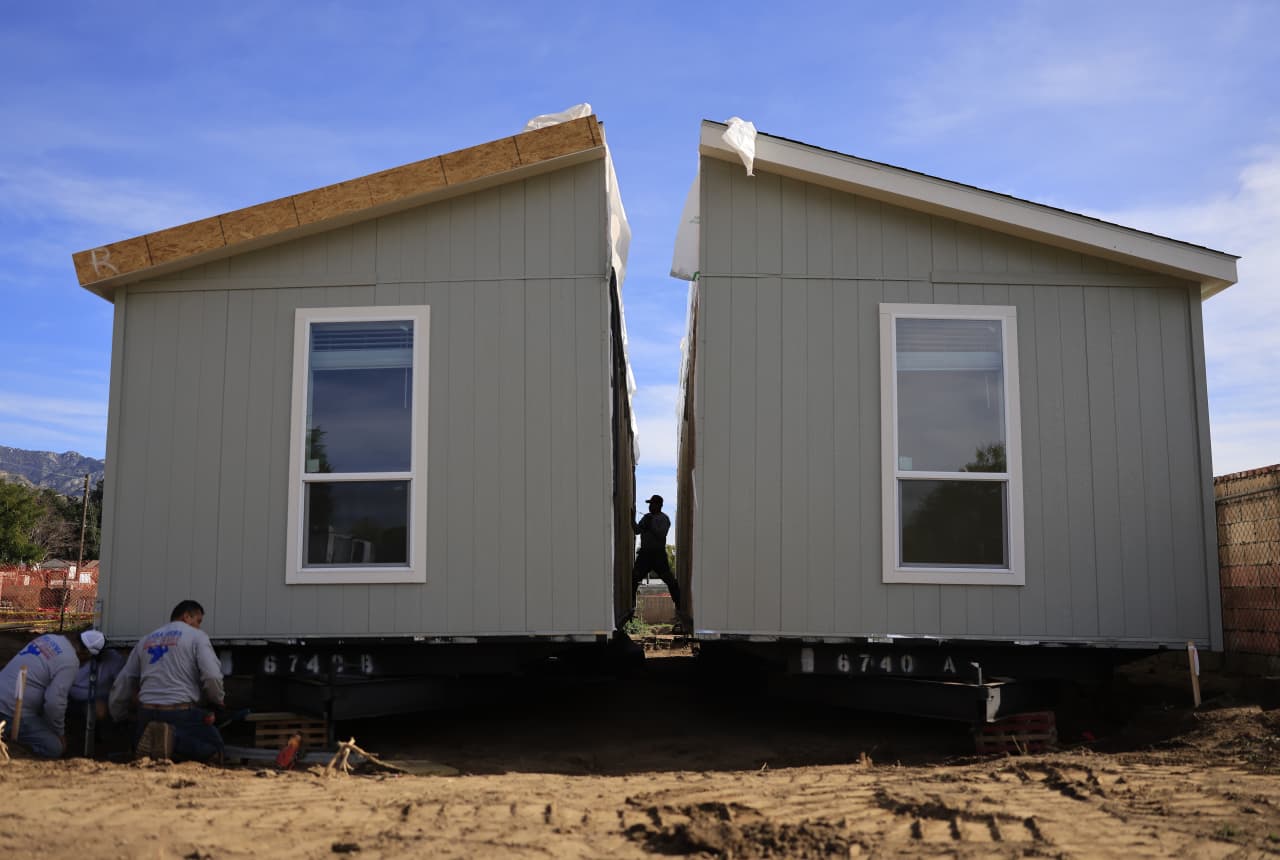
A bipartisan housing bill moves forward after President Trump canceled a signing ceremony Wednesday, putting housing affordability legislation back on track.
A bipartisan housing package appears once again close to becoming U.S. law, albeit with a delay after President Donald Trump canceled a signing ceremony for the legislation on Wednesday, according to MarketWatch. The housing package addresses housing affordability and remains on track despite the procedural delay, with the source confirming the bill's bipartisan support and legislative progress.
Key takeaways
A bipartisan housing package is close to becoming U.S. law after a signing ceremony delay
President Trump canceled a scheduled signing ceremony on Wednesday, according to MarketWatch
The legislation addresses housing affordability, though specific provisions are not detailed in the available source
For readers following broader market updates , housing policy can influence real estate markets and construction activity
Table of Contents
What happened
Political context
Who is affected
What to watch next
What happened
MarketWatch reported that a bipartisan housing package is once again close to becoming U.S. law, with the legislation advancing despite a delay. President Donald Trump canceled a signing ceremony for the housing bill on Wednesday, according to the source. The cancellation represents a procedural delay rather than a rejection of the legislation, as the source indicates the bill remains on track to become law.
The housing package addresses housing affordability, according to the source. The available source does not specify the bill's individual provisions, funding levels, implementation timeline, or which housing programs or populations would be affected. The source confirms the legislation has bipartisan support, suggesting the bill passed both chambers of Congress before reaching the president's desk.
Political context
Housing affordability has been a persistent policy challenge in the United States, with rising home prices, limited inventory, and elevated mortgage rates creating barriers for potential buyers and renters. Bipartisan housing legislation is relatively rare in recent years, making the reported progress on this package noteworthy from a political perspective.
The source does not identify which lawmakers sponsored the bill, which committees advanced it, or what compromises enabled bipartisan agreement. The cancellation of a signing ceremony does not necessarily indicate opposition to the legislation. Presidents may delay or reschedule signing ceremonies for various reasons, including scheduling conflicts, political messaging considerations, or procedural matters. The source does not specify why President Trump canceled the Wednesday ceremony or when a rescheduled signing might occur.
Who is affected
Housing legislation can affect multiple stakeholder groups, depending on the specific provisions included in the bill. Potential beneficiaries of housing affordability measures may include first-time homebuyers, low-income renters, public housing authorities, nonprofit housing developers, and state and local governments administering housing programs. The available source does not identify which populations or programs would receive support under this legislation.
Real estate markets, mortgage lenders, homebuilders, and construction companies may also monitor housing policy developments, as federal legislation can influence demand, financing availability, and development incentives. Investors in real estate investment trusts, homebuilder stocks, and mortgage-related securities often track housing policy for potential market implications. The source does not specify whether the bill includes tax incentives, direct funding, regulatory changes, or other mechanisms that could affect these groups.
What to watch next
Readers should watch for future disclosures about the rescheduled signing ceremony, the bill's specific provisions, and the implementation timeline. The source confirms the legislation is close to becoming law, suggesting a signing could occur in the near term. Once signed, federal agencies responsible for housing programs would typically publish guidance on how the new law would be implemented, which populations would be eligible for assistance, and what funding levels would be available.
Market readers may also monitor how housing policy developments interact with broader economic conditions, including mortgage rates, home price trends, and housing inventory levels. Housing affordability is influenced by multiple factors beyond federal legislation, including local zoning rules, construction costs, labor availability, and macroeconomic conditions. Future source updates may provide additional detail on the bill's contents, political dynamics, and expected impact on housing markets.
Read original source