markets
India Urges Kailash Pilgrims to Secure China Travel Documents
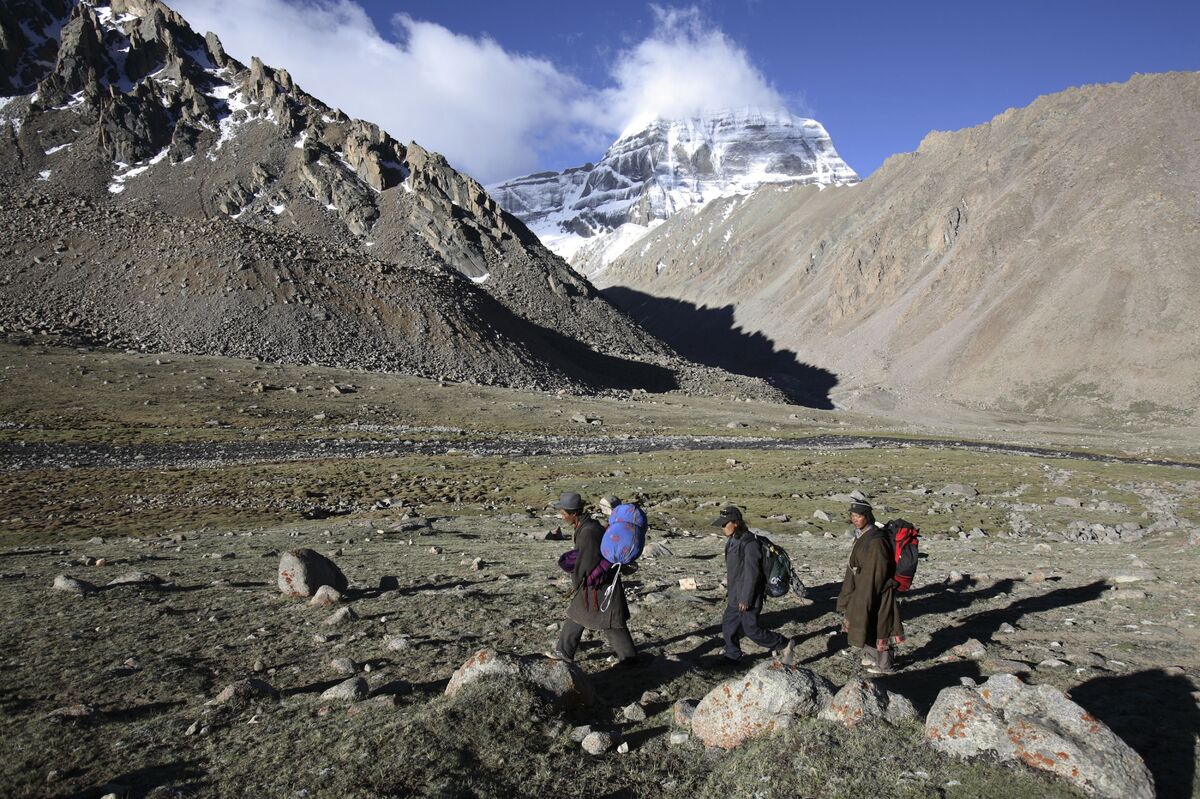
India advised Kailash Manasarovar Yatra pilgrims to secure all required Chinese visas and entry permits before travel after reports of stranded pilgrims in Nepal.
India advised citizens planning to undertake the Kailash Manasarovar Yatra pilgrimage in Tibet to ensure they have all required Chinese visas and entry permits before beginning their journey, according to Bloomberg Markets. The advisory follows reports of pilgrims stranded in Nepal awaiting documentation, highlighting the importance of proper travel preparation for this significant religious journey.
Key takeaways
India issued a travel advisory for Kailash Manasarovar Yatra pilgrims to secure all Chinese visas and entry permits before departure
The advisory follows reports of pilgrims stranded in Nepal while awaiting required documentation
The pilgrimage route crosses international borders and requires coordination between Indian citizens, Nepali transit authorities, and Chinese entry requirements
Proper documentation planning can help pilgrims avoid delays and logistical challenges during the religious journey
Table of Contents
What happened
Political context
Who is affected
What to watch next
What happened
India's government issued a travel advisory urging citizens planning the Kailash Manasarovar Yatra pilgrimage to Tibet to obtain all necessary Chinese visas and entry permits before starting their journey. Bloomberg Markets reported that the advisory came after pilgrims were stranded in Nepal while waiting for required documentation. The Kailash Manasarovar Yatra is a significant religious pilgrimage that takes Indian citizens through Nepal and into Tibet, requiring coordination across multiple jurisdictions and documentation from Chinese authorities for entry into the Tibet Autonomous Region.
The advisory addresses a practical challenge that can arise when pilgrims begin their journey without complete documentation. Nepal serves as a common transit point for pilgrims traveling from India to Mount Kailash and Lake Manasarovar in Tibet. Without proper Chinese visas and entry permits secured in advance, pilgrims may face delays at border crossings or in Nepali transit cities, creating logistical and financial challenges during what is intended to be a spiritual journey.
Political context
The Kailash Manasarovar Yatra involves cross-border travel that requires coordination between Indian citizens, Nepali transit authorities, and Chinese border and visa officials. The pilgrimage route has historically required careful planning due to the high-altitude terrain, remote location, and the need for permits from Chinese authorities who control access to the Tibet Autonomous Region. Travel advisories from the Indian government serve to inform citizens of documentation requirements and help prevent disruptions during religious journeys that hold deep cultural and spiritual significance.
Cross-border pilgrimage routes can be sensitive to changes in diplomatic relations, visa processing timelines, and administrative procedures. While the source context does not specify the cause of the documentation delays or provide details on the number of affected pilgrims, the advisory reflects the Indian government's effort to ensure citizens are aware of entry requirements before departure. For readers following broader general market briefs , this development illustrates how administrative coordination and documentation requirements can affect international travel and religious tourism.
Who is affected
The advisory directly affects Indian citizens planning to undertake the Kailash Manasarovar Yatra pilgrimage. Pilgrims who begin their journey without securing Chinese visas and entry permits in advance may face delays in Nepal or at border crossings, potentially disrupting travel plans and adding unexpected costs. The advisory also has implications for travel organizers, tour operators, and religious groups that coordinate group pilgrimages, as proper documentation planning becomes a critical part of pre-departure preparation.
Nepali transit services, including hotels, transportation providers, and local authorities in cities along the pilgrimage route, may also be affected when pilgrims experience documentation delays. Stranded pilgrims require accommodation, support services, and assistance with visa processing, creating logistical challenges for both the travelers and the transit infrastructure. The advisory aims to reduce these disruptions by encouraging pilgrims to complete all documentation requirements before leaving India.
What to watch next
Readers may watch for further updates from the Indian government regarding visa processing timelines, coordination with Chinese authorities, and any additional travel advisories for the Kailash Manasarovar Yatra. Future disclosures could clarify whether the documentation delays were due to administrative backlogs, changes in Chinese visa procedures, or other factors affecting pilgrimage travel. Pilgrims planning future journeys should monitor official government channels for the latest entry requirements and processing guidance.
Observers may also track whether similar advisories are issued for other cross-border pilgrimage routes or international religious travel. The source context does not provide details on the resolution of the current stranded cases or the timeline for affected pilgrims to receive their documentation. Any updates on the status of stranded pilgrims, changes to visa application procedures, or coordination agreements between Indian and Chinese authorities would provide useful context for future travelers planning the Kailash Manasarovar Yatra.
Read original source