markets
Indian Rupee Leads Asian Peers on Falling Crude, Capital Push
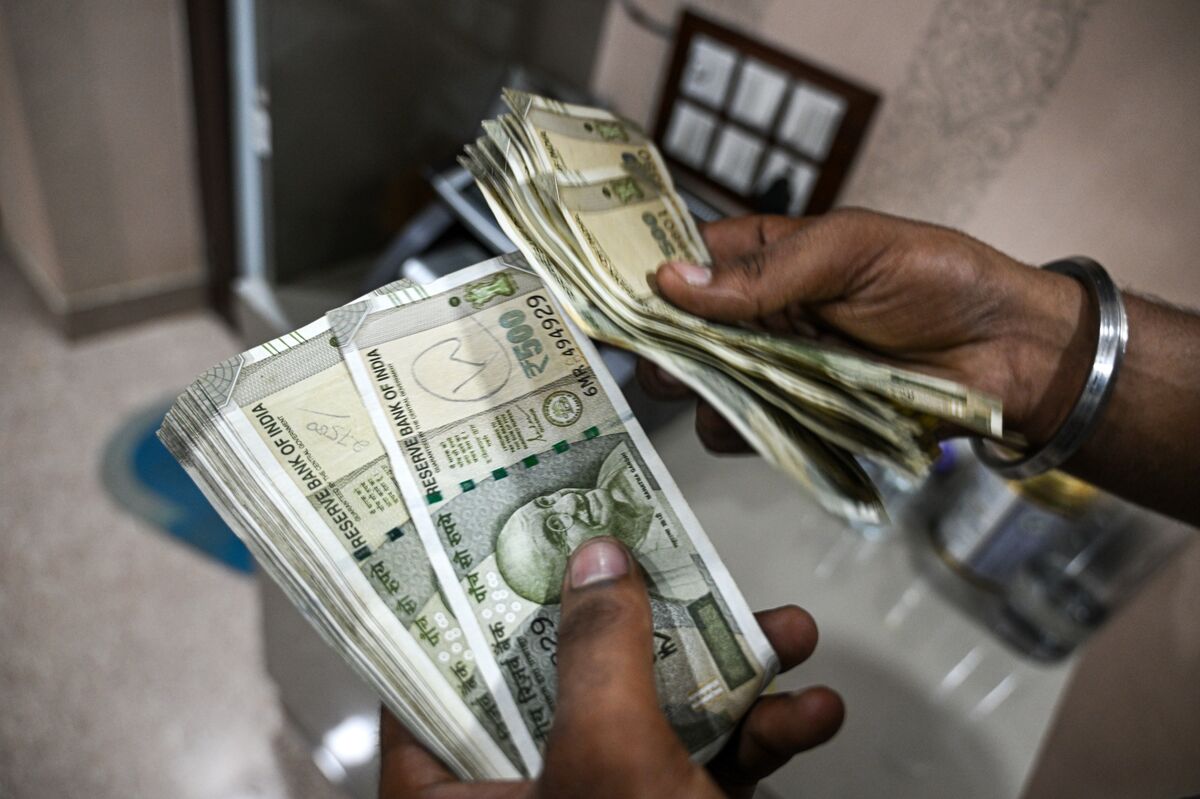
Indian rupee leads Asian currencies in June as crude oil prices fall and capital flows improve, Bloomberg Markets reports on RBI dollar policy.
The Indian rupee emerged as the best-performing currency among Asian peers in June, supported by falling crude oil prices and improved capital flows, according to Bloomberg Markets. The Reserve Bank of India may need to allow further rupee appreciation before resuming dollar purchases, the source reported.
Key takeaways
The Indian rupee led Asian currency performance in June, according to Bloomberg Markets.
Falling crude oil prices and capital inflows supported the rupee's strength during the period.
The RBI may need to let the rupee rise further before resuming dollar purchases, the source stated.
Currency policy decisions can influence foreign exchange reserves, import costs, and capital flow management.
Bloomberg Markets reported that falling crude oil prices and improved capital inflows contributed to the currency's strength during the period. The source noted that the Reserve Bank of India may need to allow further rupee appreciation before resuming dollar purchases, a policy decision that can influence foreign exchange reserve management and currency stability.
For central banks managing emerging market currencies, the balance between allowing market-driven appreciation and maintaining competitive exchange rates involves trade-offs. A stronger currency can reduce import costs, particularly for energy-dependent economies, while excessive appreciation may pressure export competitiveness. The RBI's approach to dollar purchases can signal its tolerance for currency movement and its priorities regarding reserve accumulation versus exchange rate stability.
Crude oil price movements matter for the Indian rupee because India imports a significant portion of its energy needs. Lower crude prices reduce the country's import bill, improving the current account balance and reducing demand for foreign currency. Capital inflows, whether from foreign investment, remittances, or portfolio flows, add to rupee demand and can support currency strength when other conditions are favorable.
For readers following broader market updates , currency performance can help frame the wider context of emerging market capital flows, commodity price trends, and central bank policy decisions.
Read original source